

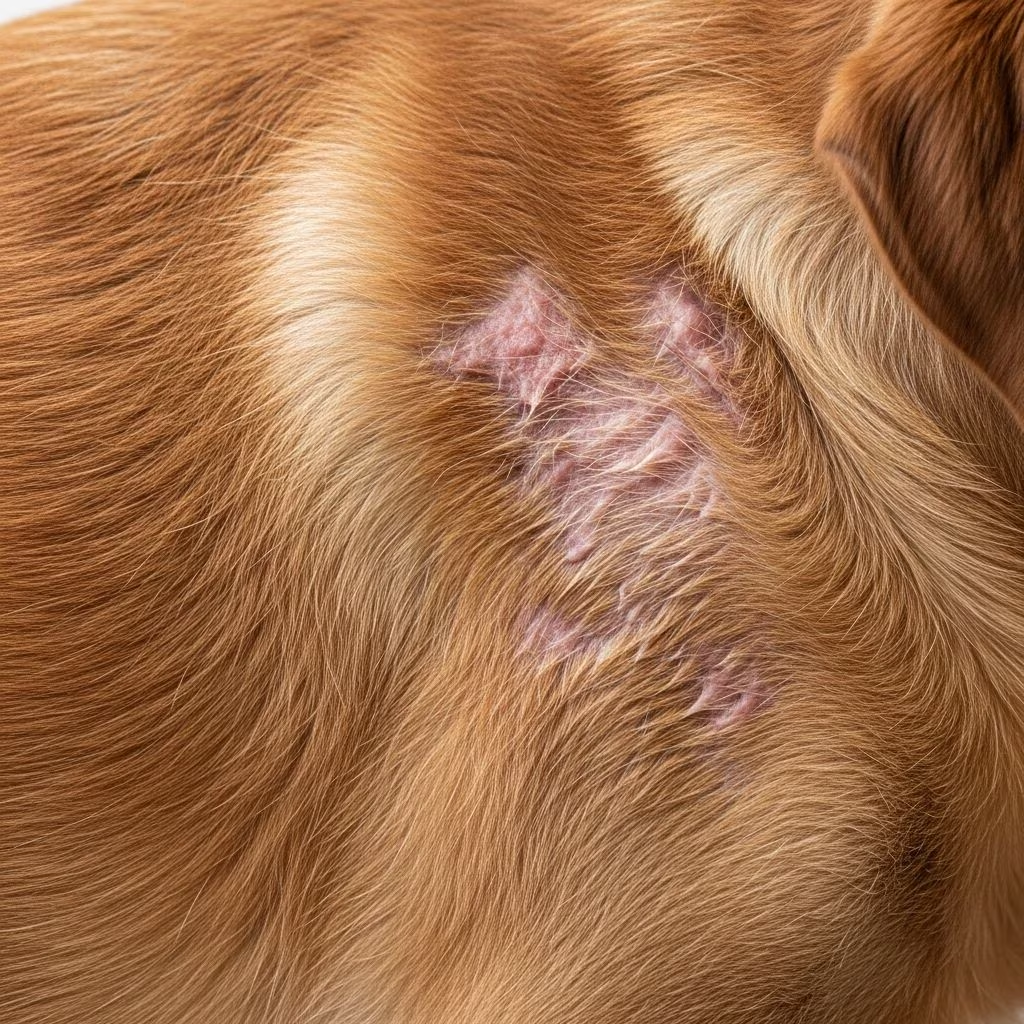
Seborrhea is a prevalent dermatological condition affecting the skin and coat quality in canines. This disorder disrupts normal keratin production within the outer epidermis, hair follicles, and nail structures. Dog owners frequently encounter this condition, which manifests through visible scaling, excessive oil production, unpleasant odors, and generalized discomfort. Understanding the underlying mechanisms, recognizing clinical presentations, and implementing appropriate management strategies are essential for maintaining your pet’s skin health and overall well-being.
What Is Seborrhea and How Does It Develop?
Seborrhea represents a metabolic disturbance in the skin’s outer layers that affects the natural process of skin cell turnover and sebum regulation. The condition involves abnormal accumulation of keratin—a protective protein naturally present in skin—leading to excessive buildup that disrupts normal skin function. This accumulation creates an environment where secondary infections and inflammatory responses become more likely, compounding the initial problem.
Veterinary professionals classify seborrhea into two distinct categories based on disease origin. Primary seborrhea is an inherited condition where no underlying disease can be identified, representing an inherent dysfunction in skin cell regulation. Secondary seborrhea develops as a consequence of an identifiable underlying condition, meaning the skin manifestations are symptoms of a larger systemic or localized problem rather than the disease itself.
Recognizing Clinical Presentations in Affected Dogs
The visible signs of seborrhea vary depending on whether the condition presents as dry or oily manifestation. Dogs with seborrhea sicca (dry form) display visible flaking and dandruff throughout the coat, often most noticeable when brushing or during shedding periods. In contrast, seborrhea oleosa (oily form) produces a distinctly greasy coat accompanied by a characteristic unpleasant smell that becomes progressively more noticeable with time.
Beyond these primary indicators, affected dogs commonly experience:
- Intense itching and scratching behaviors leading to self-trauma
- Visible hair loss and thinning in affected regions
- Reddened or inflamed skin patches visible between fur
- Excessive shedding beyond normal seasonal patterns
- Accumulation of waxy debris in ear canals
- Predisposition to concurrent bacterial or fungal infections
- General malodor persisting despite regular grooming
Symptoms may intensify gradually, with owners often noticing progressive deterioration in coat quality and increasing frequency of scratching episodes. Some dogs develop secondary skin infections that compound discomfort and create additional complications requiring separate treatment interventions.
Identifying Underlying Causes in Secondary Seborrhea
Secondary seborrhea can originate from numerous distinct etiological factors, each requiring specific diagnostic confirmation and targeted management. Hormonal imbalances represent a significant causative category. Hypothyroidism—where the thyroid gland produces insufficient hormone—disrupts metabolic processes that influence skin health. Similarly, Cushing’s disease (excessive cortisol production) and diabetes mellitus both create systemic conditions that manifest through seborrheic skin changes.
Parasitic infestations commonly trigger seborrheic responses. Mange mites, fleas, and ticks create inflammatory skin responses that stimulate excessive sebum production and accelerate skin cell turnover. These parasites may not be visually apparent, making diagnostic investigation necessary when seborrhea appears without obvious explanation.
Allergic responses—whether environmental or food-based—represent another major causative category. Dogs with atopic dermatitis or food sensitivities develop seborrheic manifestations as part of their inflammatory response. Identifying the specific allergen becomes crucial for effective long-term management.
Microbial infections independently cause seborrhea development. Malassezia yeast infection and various bacterial colonizations disrupt skin barrier function and accelerate abnormal skin cell production. These infections may develop secondarily to other seborrheic causes or arise independently from opportunistic colonization.
Nutritional inadequacies contribute significantly to seborrheic manifestations. Diets deficient in omega-3 fatty acids, vitamin A, and zinc compromise skin barrier integrity and promote excessive keratin accumulation. Environmental factors including low humidity, temperature fluctuations, and poor grooming access (due to obesity or musculoskeletal limitations) also precipitate seborrheic responses.
Diagnostic Approaches and Veterinary Evaluation
Establishing a diagnosis requires comprehensive veterinary examination incorporating multiple diagnostic modalities. Physical assessment begins with thorough skin inspection, noting distribution patterns, severity, and concurrent signs. Your veterinarian will examine ear canals, skin folds, and interdigital areas where seborrhea concentrates.
Diagnostic testing may include:
- Skin scrapes: Microscopic examination identifying parasitic mites or other organisms
- Fungal cultures: Identifying yeast or dermatophyte species when fungal infection is suspected
- Bacterial cultures: Determining bacterial species and antibiotic sensitivities when pyoderma is present
- Blood work: Evaluating thyroid function, cortisol levels, glucose metabolism, and nutritional parameters
- Skin biopsies: Histopathological examination when primary seborrhea is suspected or diagnosis remains unclear
- Allergy testing: Identifying specific allergens when allergic causes are suspected
Thorough history taking often provides crucial diagnostic clues. Age of onset, seasonal patterns, response to previous treatments, diet composition, and environmental factors all inform the diagnostic process and guide investigation direction.
Treatment Strategies for Secondary Seborrhea
Management of secondary seborrhea fundamentally centers on identifying and treating the underlying causative condition. Once the primary disease receives appropriate treatment, seborrheic manifestations typically resolve within several months as skin barrier function normalizes and keratin regulation returns to physiological levels.
For hormonal disorders: Hypothyroidism treatment involves oral levothyroxine administration, typically continued lifelong. Cushing’s disease requires ongoing medication with agents such as Vetoryl. Diabetic dogs receive daily insulin supplementation adjusted to individual metabolic needs. These medications restore hormonal balance, allowing skin physiology to normalize progressively.
For parasitic infestations: Comprehensive parasite control utilizing appropriate insecticides eliminates the triggering stimulus. This includes treating active infestation and establishing year-round preventative protocols to prevent recurrence.
For allergic conditions: Allergen avoidance forms the cornerstone when food allergies are identified, requiring dietary modification and careful ingredient monitoring. Environmental allergen management involves reducing exposure where feasible. Some dogs benefit from immunotherapy or pharmaceutical intervention with corticosteroids or cyclosporine.
For microbial infections: Appropriate antimicrobial therapy targeting identified organisms is essential. Antifungal medications treat Malassezia infections, while antibiotics address bacterial pyoderma. Treatment duration typically extends 3-4 weeks, with veterinary guidance on continuation.
For nutritional deficiencies: Dietary supplementation with omega-3 fatty acids, vitamin A, and zinc addresses inadequate nutrition. Switching to premium, well-balanced formulations ensures complete nutrient profiles meeting individual canine requirements.
Symptomatic Management and Topical Therapies
While underlying causes receive treatment, symptomatic management provides immediate relief and prevents secondary complications. Medicated shampoos form the cornerstone of topical therapy, helping reduce bacterial and yeast populations on the skin surface while removing accumulated scale and sebum. These preparations often contain salicylic acid, coal tar, sulfur, chlorhexidine, or azole antifungals depending on the specific condition being addressed.
Initial bathing protocols typically recommend frequency of every 2-3 days, gradually transitioning to maintenance bathing 1-2 times weekly as improvement manifests. Proper shampoo application requires leaving the product on the skin for adequate contact time (typically 10-15 minutes) before thorough rinsing. Attention to skin folds, ears, and interdigital spaces ensures complete treatment of affected areas.
Supplementary topical treatments provide additional symptom relief. Soothing ointments containing silver honey or other emollient agents address hot spots and irritated areas. Medicated wipes or sprays between baths help manage pruritus and reduce microbial populations without requiring full-body bathing.
Ear management requires dedicated attention, as ears frequently develop concurrent infection and seborrheic buildup. Regular cleaning with medicated cleansing solutions (sometimes 2-3 times weekly) prevents infection progression and maintains ear health. Proper technique using appropriate solutions prevents damage to delicate ear structures.
Oral medications supplement topical therapies in more severe cases. Corticosteroids reduce inflammatory responses and pruritus, though long-term use requires monitoring. Oral retinoids normalize skin cell production in certain cases. Antifungal or antibiotic medications address concurrent infections not adequately managed through topical application alone.
Managing Primary Seborrhea: A Lifelong Approach
Primary seborrhea, lacking an identifiable underlying cause, requires different therapeutic philosophy centered on symptom management rather than cure. This inherited condition cannot be resolved but can be effectively controlled through consistent, ongoing care maintaining acceptable skin health and comfort levels.
Dogs with primary seborrhea typically require permanent bathing regimens, usually 1-2 times weekly with appropriate medicated products. This frequency prevents keratin accumulation while maintaining skin barrier function. Consistent ear cleaning protocols (weekly to twice weekly) prevent secondary otitis development common in primary seborrhea cases.
Dietary supplementation with omega-3 fatty acids and vitamin A provides ongoing skin support. Some dogs benefit from lifetime administration of retinoid medications that normalize skin cell turnover, though individual response varies. Routine preventative parasite control remains important even in primary seborrhea, as concurrent parasitic infestation worsens seborrheic manifestations.
Environmental modifications support ongoing management. Maintaining appropriate humidity levels (40-50%), avoiding excessive heat exposure, and ensuring adequate grooming access for dogs with mobility limitations all contribute to improved outcomes. Weight management prevents obesity-related grooming difficulties that exacerbate seborrheic conditions.
Frequently Asked Questions About Canine Seborrhea
At what age does seborrhea typically develop in dogs?
Primary seborrhea often manifests in younger dogs, representing inherited predisposition evident early in life. Secondary seborrhea associated with allergies more commonly affects older dogs, though hormonal and parasitic causes can occur at any age. Older dogs with seborrhea development warrant thorough investigation for underlying hormonal or metabolic disorders.
Is seborrhea contagious between dogs?
Seborrhea itself is not contagious. However, secondary infections (bacterial pyoderma or Malassezia infections) that may accompany seborrhea could potentially transmit between susceptible dogs through direct contact. Treating infected dogs prevents transmission of secondary pathogens.
Can seborrhea be completely cured?
Secondary seborrhea typically resolves when underlying causes receive appropriate treatment. However, primary seborrhea lacks a cure, requiring lifelong management. With consistent care, even primary seborrhea-affected dogs maintain good quality of life and skin comfort.
What bathing frequency is appropriate for seborrheic dogs?
Initial treatment often requires bathing every 2-3 days, transitioning to weekly or twice-weekly maintenance frequency as improvement occurs. Your veterinarian should provide specific recommendations based on individual response and condition severity. Over-bathing risks further skin barrier compromise, while insufficient frequency allows symptom recurrence.
Are home remedies effective for treating seborrhea?
While regular bathing with lukewarm water and at-home medicated shampoos provide symptom relief, they do not address underlying causes in secondary seborrhea. Home management supplements veterinary treatment but cannot replace professional diagnosis and targeted therapy for optimal outcomes.
Prognosis and Long-Term Outlook
Dogs with appropriate seborrhea management generally maintain good quality of life. Secondary seborrhea cases show excellent prognosis once underlying causes receive treatment, with skin improvement typically evident within weeks to months. Primary seborrhea requires acceptance of chronic management requirements but does not limit life expectancy or overall health when properly maintained.
Consistent veterinary follow-up, adherence to prescribed bathing and medication protocols, and early recognition of symptom changes all contribute to successful long-term outcomes. Many dogs with seborrhea enjoy normal lifespans and activity levels when receiving appropriate care.
References
- Seborrhea in Animals – Integumentary System — Merck Veterinary Manual. 2024. https://www.msdvetmanual.com/integumentary-system/seborrhea/seborrhea-in-animals
- Seborrhea in Dogs: Symptoms and Treatment — PetMD. 2024. https://www.petmd.com/dog/conditions/skin/c_dg_canine_seborrhea
- Seborrhea in Dogs — VCA Animal Hospitals. 2024. https://vcahospitals.com/know-your-pet/seborrhea-in-dogs
- Seborrhea in Dogs: Signs, Symptoms, Treatment — American Kennel Club. 2024. https://www.akc.org/expert-advice/health/seborrhea-in-dogs/
- Seborrhea in Dogs: Symptoms, Treatment, And Cost — Safari Veterinary Care Centers. 2024. https://www.safarivet.com/blog/seborrhea-in-dogs-symptoms-treatment-and-cost/
- Seborrhea in Pets — Mission Veterinary Clinic. 2024. https://missionvet.com/seborrhea-in-pets/
- Canine Seborrhea: Symptoms, Causes & Solutions — Lavengel. 2024. https://lavengel.com/pages/skin-issues-seborrhea



