

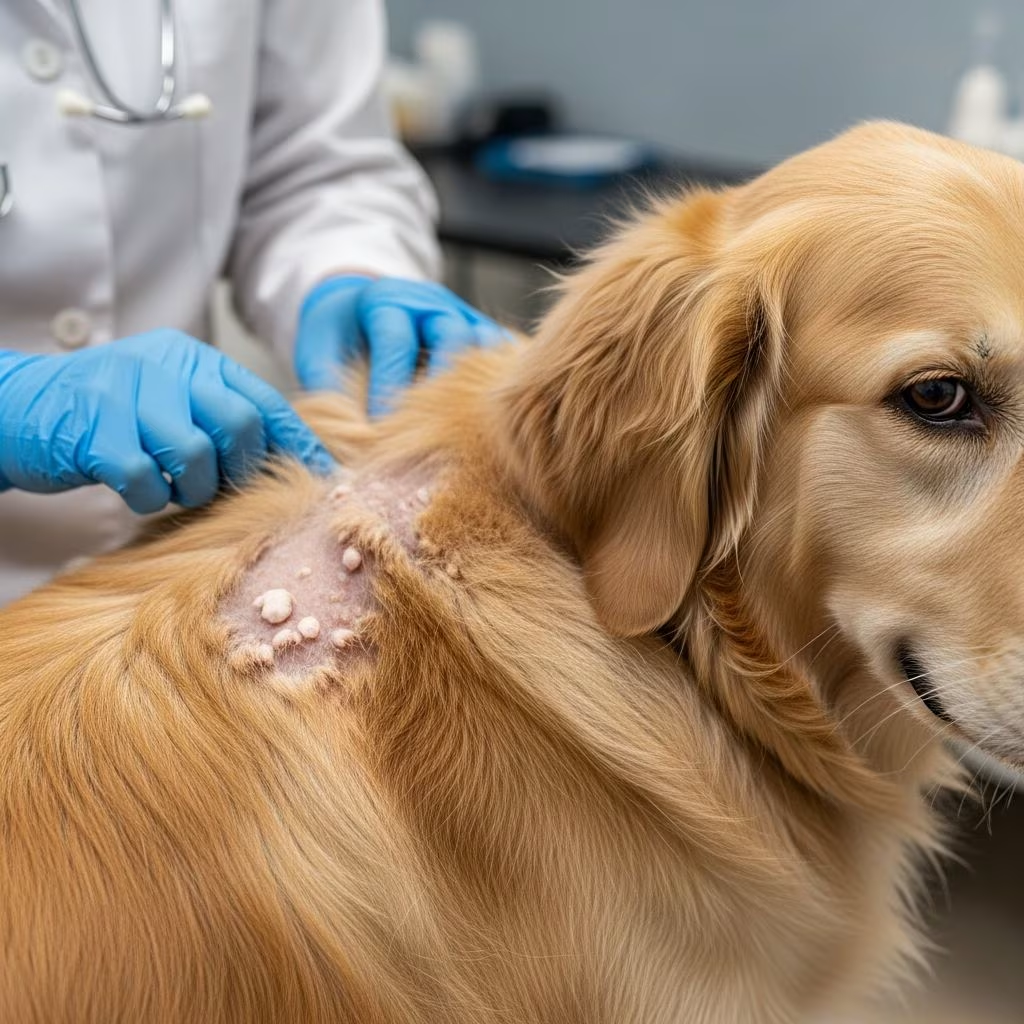
Understanding Seborrhea and Its Impact on Animal Health
Seborrhea represents a significant dermatological condition affecting numerous animal species, characterized by a fundamental disruption in the normal keratinization process of the outer skin layer and hair follicles. This condition stems from an abnormality in how skin cells mature and shed, leading to visible accumulation of skin debris and alterations in sebum production. The sebaceous glands, which are responsible for producing sebum—a protective oily substance—become dysregulated, resulting in either excessive oiliness or abnormal dryness of the skin and coat.
The manifestation of seborrhea extends beyond simple cosmetic concerns; it significantly impacts an animal’s comfort and quality of life. Affected animals frequently experience itching, discomfort, and secondary complications that can escalate the severity of their condition. Understanding this condition requires recognizing that seborrhea is not merely a surface-level problem but rather reflects underlying physiological dysfunction within the skin barrier and its regulatory mechanisms.
Distinguishing Primary and Secondary Seborrhea
Veterinary professionals recognize two distinct classifications of seborrhea that require different diagnostic and therapeutic approaches. This distinction is crucial for developing appropriate treatment strategies and managing client expectations regarding prognosis and long-term care requirements.
Primary Seborrhea: The Idiopathic Form
Primary seborrhea develops as an independent condition without an identifiable underlying cause. This form represents a genetic or constitutional predisposition to abnormal skin keratinization and sebum regulation. Animals with primary seborrhea have inherent defects in their skin’s ability to properly regulate cell turnover and oil production, making this a lifelong condition requiring continuous management.
Establishing a diagnosis of primary seborrhea demands a rigorous diagnostic process, as this classification should only be confirmed after systematically excluding all potential secondary causes. The condition is non-contagious and does not pose a risk of transmission to other animals or humans, which provides reassurance to pet owners concerned about disease spread within multi-animal households.
Secondary Seborrhea: Addressing Underlying Conditions
Secondary seborrhea develops as a consequence of an identifiable underlying disease or condition. This form accounts for the majority of seborrhea cases encountered in veterinary practice. Potential underlying causes include allergic reactions, parasitic infestations, hormonal imbalances, infections, nutritional deficiencies, and various systemic diseases. Successfully managing secondary seborrhea hinges on identifying and treating the primary causative condition.
The distinction between primary and secondary forms has profound implications for treatment outcomes. While primary seborrhea requires lifetime symptomatic management, secondary seborrhea may potentially resolve once the underlying cause is addressed, offering the possibility of complete resolution rather than indefinite treatment.
Clinical Presentation and Recognition
Animals with seborrhea display characteristic skin and coat changes that vary depending on whether the condition manifests as the dry or oily type. The distribution pattern often provides valuable diagnostic clues, with lesions typically concentrating on the back, face, and flanks, with particular severity in skin fold regions where moisture retention exacerbates the condition.
Observable signs include excessive scaling and flaking, ranging from fine dandruff-like particles to large adherent plaques. The skin surface may appear either greasy and unkempt or abnormally dry and brittle, depending on the specific seborrhea type. Many affected animals experience variable degrees of pruritus, or itching, though some primary seborrhea cases occur without significant itching, which helps differentiate them from allergic conditions. Odor is frequently noted by owners, resulting from secondary bacterial or yeast colonization of the affected skin.
Hair loss may develop as a secondary consequence of chronic inflammation, scratching behavior, and follicular involvement. The texture and appearance of the coat often deteriorates noticeably, with hair becoming dull, brittle, and prone to abnormal shedding.
Diagnostic Framework and Clinical Assessment
Establishing an accurate diagnosis requires a systematic and comprehensive approach that begins with thorough clinical evaluation before advancing to more invasive or specialized testing procedures.
Initial Evaluation Strategy
The diagnostic process commences with a complete physical examination encompassing both external dermatological assessment and evaluation of internal organ systems. The physical examination serves as the foundational step in identifying potential underlying causes. During the dermatological assessment, the veterinarian documents the precise type, location, and distribution pattern of skin lesions; the presence and extent of alopecia; and quantifies observable signs including odor intensity, scale abundance, degree of oiliness, and alterations in skin texture.
A detailed history provides essential context and helps narrow the differential diagnosis. The veterinarian inquires about disease duration, behavioral indicators such as excessive scratching or chewing, known or suspected allergies, recent dietary modifications, and any environmental changes that might correlate with disease onset or exacerbation.
Laboratory and Diagnostic Testing
When clinical presentation suggests secondary seborrhea or when primary seborrhea diagnosis remains uncertain, additional diagnostic testing becomes necessary:
- Skin cytology and culture — These tests identify secondary bacterial or yeast infections by examining samples from affected areas, determining both the quantity and type of microorganisms present
- Skin scrapings and hair pluckings — These procedures detect external parasites that might contribute to the seborrheic presentation
- Fungal and bacterial cultures — Specific cultures help identify infectious agents, including ringworm, which can mimic or contribute to seborrhea
- Skin biopsy — Histopathological examination reveals the microscopic nature of the condition and helps differentiate primary seborrhea from secondary forms
- Systemic blood work — Complete blood cell counts, serum chemistry panels, and electrolyte assessments identify subclinical or hidden systemic conditions
- Endocrine testing — Hormone level evaluation identifies hormonal imbalances such as thyroid dysfunction or Cushing’s disease
- Allergy testing — When allergic causes are suspected, specialized testing can identify specific allergens
The extent and type of testing performed depend on clinical judgment regarding disease severity, the animal’s response to initial treatment, and factors including disease duration, owner commitment level, and potential zoonotic or contagion concerns.
Treatment Approaches and Management Strategies
Effective management of seborrhea requires tailored approaches based on whether the condition is primary or secondary and on the specific manifestations observed in the individual animal.
Management of Primary Seborrhea
Since primary seborrhea lacks a curative treatment, management focuses on controlling clinical signs and preventing secondary complications. Regular bathing forms the cornerstone of treatment, typically performed two to three times weekly during the active phase until desired improvement is achieved, with maintenance bathing frequency of one to two times weekly thereafter.
Medicated shampoos containing keratolytic agents such as coal tar, sulfur, and salicylic acid effectively address excess keratin buildup and facilitate skin degreasing. These formulations normalize skin cell replacement and reduce the scale and sebum accumulation that characterize the condition. Retinoids and vitamin A derivatives represent additional topical options that modulate keratinization and may provide benefit in some cases.
Supplementary care measures include frequent ear cleaning, performed every two to three days with medicated cleansers when indicated, regular hair brushing to remove dead hair and skin, and dietary optimization with adequate omega-3 fatty acids and balanced nutrition. Routine veterinary monitoring ensures early detection of complications and allows for adjustment of the management plan as needed.
Treatment of Secondary Seborrhea
Management of secondary seborrhea focuses primarily on identifying and treating the underlying causative condition. Once the primary cause is addressed—whether allergies, parasites, hormonal imbalance, or infection—the seborrheic manifestations frequently improve or resolve completely.
Antimicrobial therapy becomes essential when secondary bacterial or yeast infections accompany the seborrhea. Medicated shampoos containing chlorhexidine, ketoconazole, or miconazole address these infections topically, while systemic antibiotics or antifungals may be necessary depending on infection severity. Superficial bacterial infections typically require three to four weeks of antimicrobial treatment, with selection based on aerobic skin culture results and current antimicrobial stewardship guidelines.
When topical treatment proves insufficient for managing secondary pyoderma, systemic antimicrobials selected based on culture sensitivity become necessary. Dietary adjustments addressing specific nutritional deficiencies and management of underlying hormonal or allergic conditions complete the comprehensive treatment approach.
Infection Management and Complications
Secondary bacterial and yeast infections frequently develop in seborrheic animals due to the compromised skin barrier and the animal’s natural tendency to scratch affected areas. These secondary infections can dominate the clinical presentation, with itching and discomfort potentially resulting entirely from the infection rather than from the primary seborrhea.
Identifying and treating these infections appropriately is crucial, as they may mask underlying conditions that only become apparent once the infection resolves. Following successful treatment of secondary infections, additional diagnostic testing may reveal the true cause of the initial seborrhea, leading to appropriate definitive treatment.
Staphylococcal infections, the most common bacterial complication, typically manifest as superficial pyoderma requiring three to four weeks of appropriate antimicrobial therapy. Yeast infections, particularly those involving Malassezia species, respond well to antifungal medicated shampoos and may also require systemic antifungal therapy when topical treatment proves inadequate.
Long-Term Management Considerations
Successful seborrhea management requires a long-term perspective and realistic expectations. Primary seborrhea necessitates lifelong care and monitoring, with the goal of maintaining the animal’s comfort and preventing complications rather than achieving a cure. Owner education proves essential, as pet owners must understand the chronic nature of the condition and the importance of consistent adherence to prescribed bathing schedules, topical treatments, and dietary recommendations.
Regular follow-up appointments allow veterinarians to monitor disease progression, assess treatment efficacy, identify emerging complications, and adjust the management plan as needed. Quality of life considerations should guide decision-making, with treatment intensity balanced against the animal’s comfort and the owner’s ability to maintain recommended care protocols.
Frequently Asked Questions
Is seborrhea contagious?
Neither primary nor secondary seborrhea is contagious to other animals or humans. Animals with seborrhea can safely interact with other pets and pose no transmission risk.
Can seborrhea be cured?
Primary seborrhea cannot be cured and requires lifelong management. Secondary seborrhea may resolve if the underlying cause is successfully identified and treated.
What causes seborrhea to develop?
Primary seborrhea results from genetic or constitutional predisposition to abnormal skin keratinization. Secondary seborrhea develops from identifiable causes including allergies, parasites, infections, hormonal imbalances, or nutritional deficiencies.
How often should animals with seborrhea be bathed?
During active disease phases, bathing two to three times weekly with medicated shampoos is typically recommended. Maintenance bathing of one to two times weekly may be sufficient once the condition stabilizes.
Are there any side effects from medicated shampoos?
While medicated shampoos are generally safe, some animals may experience mild skin irritation. Selecting appropriate formulations for the animal’s skin sensitivity and following veterinary recommendations minimizes adverse reactions.
References
- Seborrhea in Animals – Integumentary System — Merck Veterinary Manual. https://www.merckvetmanual.com/integumentary-system/seborrhea/seborrhea-in-animals
- Seborrhea in Dogs — Merck Veterinary Manual, Dog Owners Section. https://www.merckvetmanual.com/dog-owners/skin-disorders-of-dogs/seborrhea-in-dogs
- Seborrhea in Dogs — MSD Veterinary Manual, Dog Owners Section. https://www.msdvetmanual.com/dog-owners/skin-disorders-of-dogs/seborrhea-in-dogs
- Seborrhea in Dogs: Causes & Treatment — Revival Animal Health. https://www.revivalanimal.com/learning-center/seborrhea-in-dogs-revival-animal-health
- Understanding Dry and Wet Seborrhea in Pets: A Guide for Veterinarians — Nextmune. https://nextmune.com/vet/blog-news/understanding-dry-and-wet-seborrhea-in-pets-a-guide-for-veterinarians
- Seborrhea in Dogs — VCA Animal Hospitals. https://vcahospitals.com/know-your-pet/seborrhea-in-dogs



