Sebaceous Growths in Dogs: Cysts and Adenomas Explained
Discover the facts about sebaceous cysts and adenomas in dogs, from identification to safe management strategies for your pet's skin health.
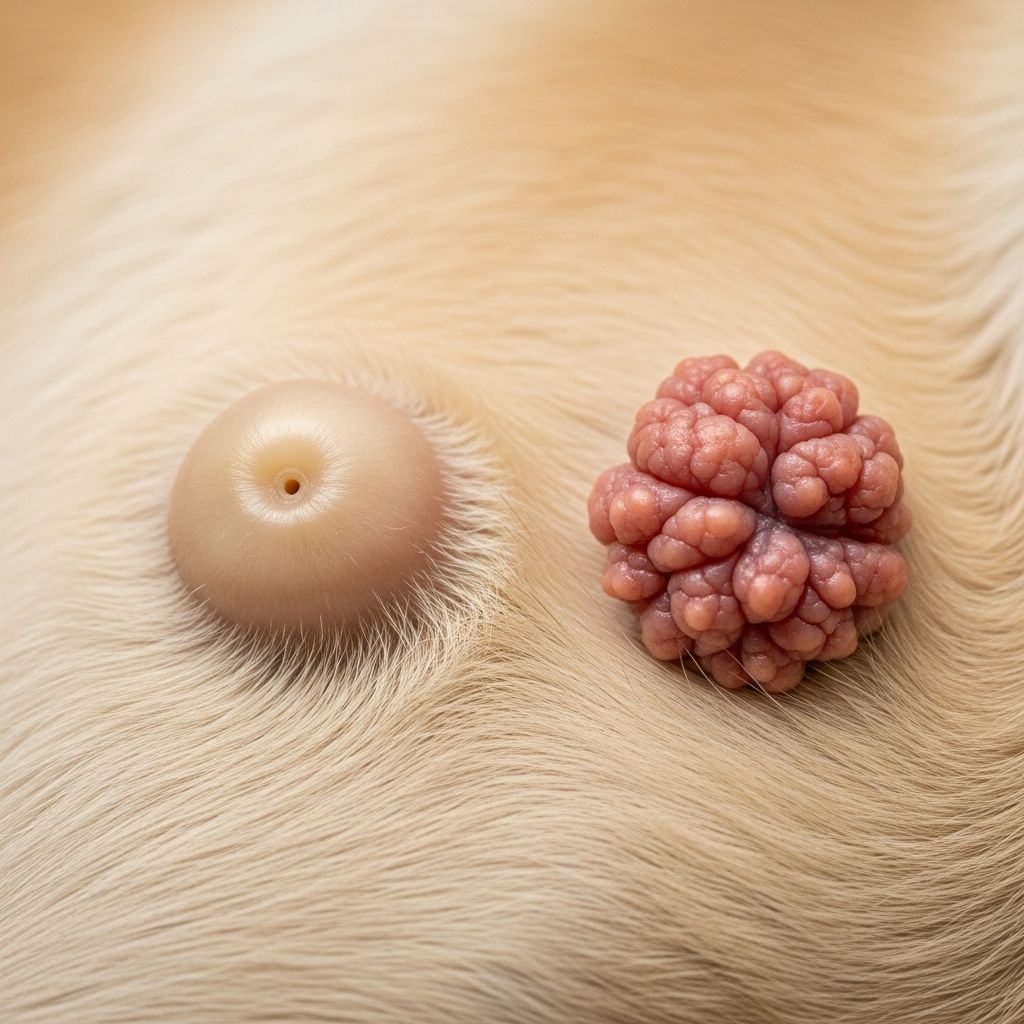
Sebaceous growths, such as cysts and adenomas, represent frequent skin conditions in dogs, arising from the sebaceous glands that produce sebum to maintain coat and skin moisture. These typically benign formations can appear as raised bumps, warranting veterinary evaluation to rule out complications or malignancy.
Understanding the Role of Sebaceous Glands in Canine Skin
Sebaceous glands are microscopic structures embedded in a dog’s skin, closely associated with hair follicles. They secrete sebum, a natural oily substance that lubricates the skin and hair, preventing dryness and supporting a healthy, glossy coat. When these glands function normally, brushing stimulates sebum release, distributing it evenly across the fur.
Disruptions in gland activity can lead to overproduction or blockage of sebum, resulting in cyst-like swellings or tumorous growths known as adenomas. A dog’s skin maintains a slightly alkaline pH around 7.5, which supports optimal sebum flow; imbalances may contribute to these issues.
Common Types of Sebaceous Formations in Dogs
Dogs can develop several variations of sebaceous-related growths, each with distinct characteristics:
- Sebaceous Cysts: Fluid-filled sacs formed from blocked ducts, often soft and movable under the skin.
- Sebaceous Adenomas: Benign tumors from gland cells, appearing as firm, raised nodules, commonly in older dogs.
- Sebaceous Hyperplasia: Overgrowth of gland tissue, presenting as shiny lumps on the head or trunk.
- Sebaceous Adenitis: Inflammatory condition destroying glands, leading to scaling and hair loss rather than discrete lumps.
- Rare Malignant Forms: Adenocarcinomas, which may invade deeper tissues.
These differ from sebaceous adenitis, an immune-mediated disorder causing gland atrophy and chronic skin changes like flaking and odor.
Recognizing Symptoms and Visible Signs
Early detection relies on spotting subtle changes. Sebaceous adenomas often manifest as small (0.25-0.5 inches), flesh-colored or pinkish bumps with a wart-like or cauliflower texture, typically hairless and slightly ridged. They favor locations like the head, neck, eyelids, trunk, legs, or paws.
Cysts may feel softer, with potential oozing of yellowish material if ruptured. Associated signs include:
- Hair loss around the growth.
- Redness, swelling, or crusting if infected.
- Foul odor from pus in irritated cases.
- Mild itchiness or tenderness upon manipulation.
In sebaceous adenitis, symptoms progress from ear margin scaling to widespread alopecia, dandruff, and leathery skin, sometimes with a greasy feel or secondary infections. Unlike adenomas, these lack distinct lumps but show perifollicular casts—white, waxy debris around hairs.
| Growth Type | Appearance | Common Locations | Associated Risks |
|---|---|---|---|
| Sebaceous Cyst | Soft, raised nodule; may leak | Head, neck, limbs | Infection, rupture |
| Sebaceous Adenoma | Firm, wart-like bump | Head, trunk, eyelids | Benign; rare ulceration |
| Adenitis | Scales, patchy hair loss | Ears, back, tail | Chronic inflammation |
Factors Contributing to Development
The precise triggers remain unclear, but several influences play roles. Hormonal shifts in aging dogs can alter sebum production, leading to drier or oilier skin and follicle blockages. Trauma, insect bites, allergies, or wounds may clog ducts, mimicking human acne.
Genetic predispositions affect certain breeds: Cocker Spaniels, Huskies, and Terriers show higher adenoma rates, while Standard Poodles and Akitas are prone to adenitis. pH disruptions from harsh shampoos or environmental factors may exacerbate overproduction. Unlike viral warts, these growths stem from glandular hyperactivity, not contagion.
Diagnostic Approaches for Accurate Identification
Veterinarians start with a physical exam, noting size, mobility, and texture. Fine-needle aspiration (FNA) cytology examines cells for oily sebum or neoplastic changes, distinguishing benign from malignant.
Definitive diagnosis requires skin biopsy, especially for adenitis, revealing gland destruction, inflammation, or fibrosis. Imaging or bloodwork rules out systemic issues. Visual mimics like lipomas or mast cell tumors necessitate this thoroughness, as FNA can yield surprises like hamartomas.
Treatment Strategies: From Monitoring to Intervention
Many sebaceous adenomas and cysts are harmless, managed by watchful waiting if asymptomatic. Surgical excision removes problematic growths, preventing rupture or cosmetic concerns. For infected cysts, antibiotics and drainage precede closure.
Adenitis demands lifelong therapy: topical oils, antiseborrheic shampoos, and omega fatty acids restore barrier function; immunosuppressants like cyclosporine control inflammation in severe cases. Success varies by coat type—short-haired dogs fare better without deep infections.
Home care includes gentle cleansing, avoiding squeezes to prevent scarring, and diet rich in essential fatty acids for skin support.
Preventive Measures and Long-Term Skin Health
Maintain skin pH with vet-recommended shampoos, brush regularly to distribute sebum, and monitor for early lumps during grooming. Balanced nutrition with antioxidants combats aging-related changes. Spay/neuter may mitigate hormonal influences.
Breed owners should schedule senior wellness checks, as growths surge post-middle age. Prompt intervention averts complications like chronic infections or rare metastases in malignant variants.
FAQs on Canine Sebaceous Issues
Are sebaceous adenomas cancerous?
Typically benign, though rare adenocarcinomas occur, especially in older males of predisposed breeds. Biopsy confirms.
Can I pop a sebaceous cyst on my dog?
No—risks infection, bleeding, and recurrence. Seek professional removal.
How do I differentiate from other lumps?
Vets use FNA or biopsy; adenomas feel firm and oily, unlike fluid-filled cysts or fatty lipomas.
Is sebaceous adenitis curable?
Not curative, but manageable with therapy to improve coat and comfort.
Which breeds are at higher risk?
Akitas, Poodles for adenitis; Spaniels, Terriers for adenomas and cysts.
When to Seek Immediate Veterinary Care
Rush to the vet if a growth rapidly enlarges, ulcerates, bleeds, or your dog licks excessively. Systemic signs like lethargy suggest deeper issues. Early action ensures optimal outcomes.
References
- Sebaceous Adenoma In Dogs — Dogs Naturally Magazine. 2023. https://www.dogsnaturallymagazine.com/sebaceous-adenoma-in-dogs/
- Canine sebaceous adenitis — PMC – NIH. 2021-02-09. https://pmc.ncbi.nlm.nih.gov/articles/PMC7877684/
- Sebaceous Adenomas in Dogs: Causes, Signs, and Treatment — Bully Crew CBD. 2023. https://bullycrewcbd.com/blogs/news/sebaceous-adenomas-in-dogs
- Sebaceous and Modified Sebaceous Gland Tumors — We Are The Cure. 2022. https://wearethecure.org/learn-more-about-canine-cancer/canine-cancer-library/sebaceous-and-modified-sebaceous-gland-tumors/
- Sebaceous Cysts in Dogs — WagWalking. 2023. https://wagwalking.com/condition/sebaceous-cysts
- Sebaceous Adenitis in Dogs — PetMD. 2024. https://www.petmd.com/dog/conditions/skin/sebaceous-adenitis-dogs
Similar Articles








Read full bio of Sneha Tete