

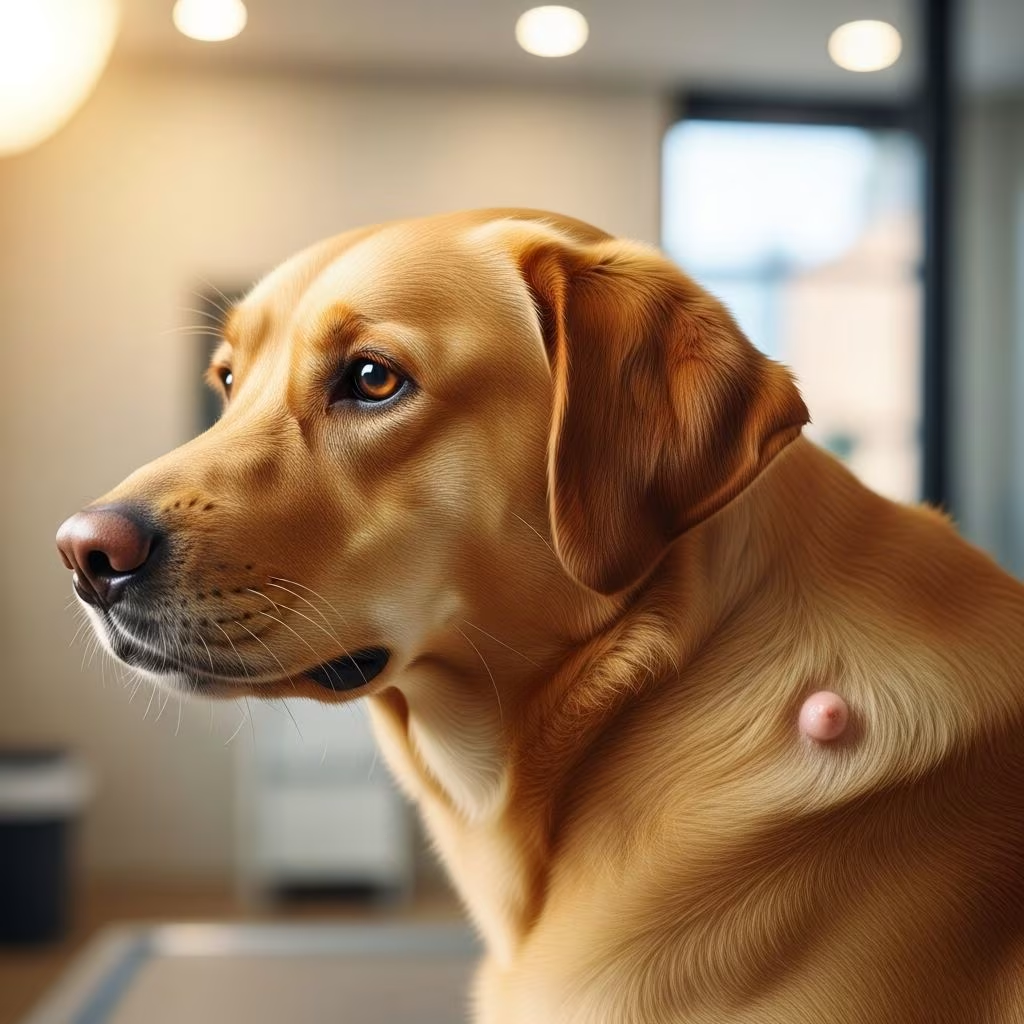
Sebaceous cysts are common, benign skin growths in dogs that form when sebaceous glands become blocked, leading to fluid or material buildup under the skin. These lumps are typically harmless but can become problematic if they rupture or get infected, requiring veterinary attention for proper management.
Understanding the Anatomy of Canine Skin
Dogs have sebaceous glands associated with hair follicles throughout their skin, producing sebum to lubricate and protect the coat. When these glands malfunction due to blockage from debris, dead skin cells, or inflammation, cysts can develop. Unlike malignant tumors, sebaceous cysts are enclosed sacs filled with cheesy or pasty material and rarely spread.
Breeds like Cocker Spaniels, Labrador Retrievers, and Poodles may be predisposed due to genetics or skin folding, but any dog can develop them at any age, often noticed during grooming or petting.
Recognizing the Signs of Sebaceous Cysts
Early detection starts with regular skin checks. Key indicators include:
- Firm or soft, round lumps under the skin, ranging from pea-sized to larger.
- Slow-growing masses that feel movable and are usually painless unless irritated.
- White, bluish, or skin-colored appearance, sometimes with a central pore.
- Yellow-brown, cheesy discharge if ruptured, accompanied by bleeding or odor.
- Redness, swelling, itching, or pain if infected, prompting licking or scratching.
Owners often mistake them for warts, abscesses, or lipomas, but location on the head, neck, trunk, or limbs and the pasty content distinguish them.
Potential Complications from Untreated Cysts
While many cysts remain asymptomatic, complications arise when they burst from pressure or trauma like clipping or scratching. Rupture releases contents, inviting bacterial infection (e.g., Staphylococcus), leading to abscesses, foul odors, and severe inflammation.
Infected sites require prompt care to prevent cellulitis or deeper infections. Rarely, multiple cysts signal underlying issues like allergies or hormonal imbalances, warranting broader diagnostics.
Professional Diagnosis: Steps Your Vet Will Take
Veterinarians diagnose via physical exam, history, and tests:
- Fine Needle Aspiration (FNA): Extracting fluid or material for cytology to confirm benign cyst content.
- Biopsy: Surgical sampling or full removal for histopathology, especially small cysts.
- Imaging: Ultrasound or X-rays if deep involvement suspected.
- Culture: For infected cases to identify bacteria and guide antibiotics.
Differentiating from tumors like mast cell tumors or histiocytomas is crucial, as cytology has high accuracy for sebaceous cysts.
Treatment Strategies: From Monitoring to Surgery
Treatment varies by cyst status:
| Condition | Recommended Approach | Pros | Cons |
|---|---|---|---|
| Small, asymptomatic | Monitoring with regular checks | Non-invasive, cost-effective | Risk of growth or rupture |
| Infected/inflamed | Antibiotics, anti-inflammatories, drainage | Reduces symptoms quickly | May recur without removal |
| Ruptured or recurrent | Surgical excision | Definitive cure, prevents reform | Anesthesia risks, recovery time |
| Multiple/disseminated | Medications like isotretinoin + antibiotics | Non-surgical for widespread cases | Off-label, potential side effects |
Surgical removal involves excising the entire cyst wall under anesthesia to prevent recurrence, often curative. Post-op care includes e-collars, cleaning, and pain meds.
Home Care and Supportive Measures
While not curative, supportive steps aid management:
- Clean ruptured areas gently with vet-approved antiseptics; avoid squeezing.
- Prevent licking with cones or bandages.
- Maintain skin health via balanced diet, omega-3 supplements, and flea control.
- Regular grooming to spot issues early.
Avoid unproven remedies like oils, as they risk irritation without addressing the root cause.
Preventive Measures for Healthy Canine Skin
Minimize risks through:
- Quality nutrition rich in fatty acids for gland function.
- Routine vet dermatology checks for at-risk breeds.
- Allergy management to reduce inflammation.
- Gentle grooming avoiding cyst trauma.
No guaranteed prevention exists, but proactive care reduces incidence.
When to Seek Immediate Veterinary Help
Rush to the vet if you notice rapid growth, persistent pain, fever, lethargy, or multiple new lumps, as these may indicate infection or other pathology.
Frequently Asked Questions (FAQs)
Are sebaceous cysts cancerous in dogs?
No, they are benign and non-spreading.
Can sebaceous cysts disappear without treatment?
Rarely; most persist or recur without intervention.
Is surgery always needed for dog cysts?
No, monitoring suffices for harmless ones, but removal is best for problematic cases.
How much does cyst removal cost?
Varies by size/location; consult your vet for estimates.
Can diet prevent sebaceous cysts?
It supports skin health but doesn’t fully prevent them.
References
- Sebaceous Cysts In Dogs — Kingsdale Animal Hospital. 2023. https://www.kingsdale.com/sebaceous-cysts-in-dogs
- Sebaceous Cyst in Dogs: Appearance, Diagnosis, and Treatment — ToeGrips. 2024. https://toegrips.com/sebaceous-cyst-dog/
- Cysts in Dogs: What They Look Like + What to Do — LAVENgel. 2023. https://lavengel.com/pages/skin-issues-cysts
- Types of Cysts on Dogs — Park Veterinary Hospital. 2024. https://parkvet.net/blog/cysts-on-dogs/
- Found a sebaceous cyst on your dog? Here’s what to do — Fetch Pet Insurance. 2024. https://www.fetchpet.com/the-dig/sebaceous-cyst-dog



