

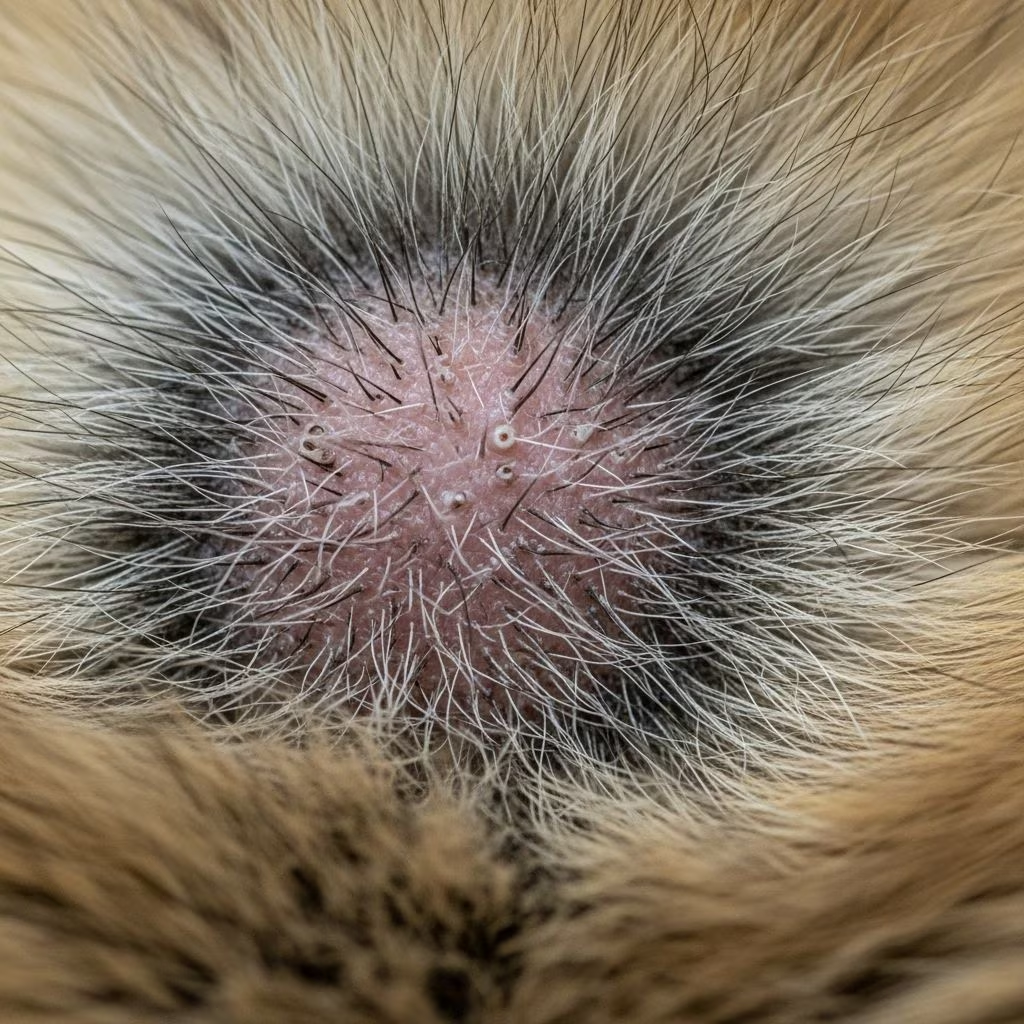
Sebaceous adenitis represents a significant dermatological challenge for pet owners and veterinarians alike. This inflammatory condition primarily affects the sebaceous glands, which are responsible for producing the natural oils that maintain healthy skin and coat. When these glands become inflamed and begin to deteriorate, pets experience progressive symptoms including excessive flaking, hair loss, and increased vulnerability to secondary skin infections. Unlike many other skin conditions, sebaceous adenitis cannot be cured, but with appropriate management strategies and consistent care, pet owners can effectively control symptoms and maintain their animal’s quality of life.
The Nature of Sebaceous Adenitis and Its Impact on Pet Health
Sebaceous adenitis is an inflammatory disease that causes progressive destruction of the sebaceous glands responsible for maintaining skin health. The condition manifests through characteristic scaling and gradual hair loss, with severity varying considerably between individual animals. Early recognition and prompt intervention are crucial, as delaying treatment can accelerate gland destruction and lead to more severe complications including recurrent bacterial infections that may compromise the animal’s long-term wellbeing.
The disease affects both dogs and cats, though it remains relatively uncommon in the general pet population. Dogs appear to be more frequently diagnosed with this condition compared to felines, and cats with sebaceous adenitis may require different treatment approaches due to limited research on optimal therapeutic protocols for this species.
Establishing Realistic Treatment Goals and Expectations
Pet owners must understand from the outset that sebaceous adenitis requires lifelong management rather than curative treatment. The primary objectives of therapy focus on controlling symptoms, preventing secondary skin infections, and slowing the progression of gland deterioration. Treatment responses vary significantly between individual animals, making personalized veterinary care essential for optimizing outcomes.
Client compliance and sustainability play critical roles in treatment success, as many management protocols require consistent application and monitoring. Open communication between veterinarians and pet owners regarding treatment effectiveness helps identify which approaches work best for each individual animal, allowing for timely adjustments when needed.
Topical Treatment Approaches: The Foundation of Management
Topical therapy represents the cornerstone of sebaceous adenitis management and can function as a sole treatment for milder cases or be combined with systemic medications for more severe presentations. These treatments work by softening adherent scales, restoring skin moisture, and removing accumulated debris that can promote bacterial growth.
Oil-Based Treatments and Humectant Applications
Oil soaks constitute one of the most effective topical approaches for managing sebaceous adenitis. Pet owners can apply baby oil, mineral oil, or Alpha Keri products directly to the skin and allow contact time ranging from thirty minutes to several hours before bathing. Alternatively, propylene glycol solutions diluted in water at concentrations of 70-75% can be sprayed onto the coat or used as rinses, with an application period of 2-3 hours before shampooing.
The application protocol matters significantly for treatment success. Pet owners should allow adequate contact time between the oil or humectant application and the subsequent bathing with medicated shampoo, as this contact period enables thorough penetration and optimal therapeutic benefit.
Medicated Shampoos and Antiseborrheic Agents
Antiseborrheic shampoos containing sulfur, salicylic acid, or tar are commonly recommended for use following oil treatments to remove excess oil and address scaling. These shampoos help reduce flaking, soothe irritated skin, and manage any associated bacterial infections. The frequency of shampooing varies based on disease severity and individual animal response, ranging from daily to weekly applications.
Leave-on moisturizers and emollient rinses provide additional benefit by supporting long-term skin hydration between treatment sessions. Some pets respond well to medicated mousses or spray formulations that offer convenience without requiring full bathing routines.
Systemic Pharmaceutical Interventions
Cyclosporine: The Preferred Oral Treatment
Oral cyclosporine currently represents the most widely prescribed and effective systemic treatment for sebaceous adenitis, particularly in severe cases. Administered at a dose of 5 mg/kg once daily, cyclosporine functions by modulating immune system responses that attack sebaceous glands, often leading to gland regeneration and significant clinical improvement. Research demonstrates that cyclosporine combined with topical therapy produces superior results compared to oral cyclosporine used as monotherapy, underscoring the synergistic benefits of combination treatment approaches.
Treatment response often occurs within the first four months of therapy, allowing veterinarians to assess effectiveness and make modifications if needed. However, cyclosporine may not be financially accessible for all pet owners, necessitating exploration of alternative treatment options.
Retinoid-Based Therapies
Vitamin A (retinol) supplementation at doses ranging from 400 to 1,000 IU/kg administered once daily orally represents an alternative option suitable for mild cases or situations where cyclosporine is unavailable. Vitamin A supports skin health and can promote sebaceous gland function, though treatment monitoring is essential to detect potential complications such as keratoconjunctivitis sicca (dry eye condition).
Isotretinoin, a potent retinoid derivative related to vitamin A, has demonstrated efficacy in treating canine sebaceous adenitis at a recommended dose of 1 to 2 mg/kg administered once or twice daily. Clinical improvement typically becomes apparent after approximately six weeks of therapy, after which the treatment frequency can often be reduced to every-other-day dosing or the daily dose can be decreased to 0.5 mg/kg. However, isotretinoin is tightly regulated in the United States and may be difficult to obtain. Close patient monitoring for potential side effects including gastrointestinal upset, liver toxicity, elevated triglyceride levels, dry eye conditions, and reproductive effects is mandatory during isotretinoin therapy.
Emerging Treatment Options
Oclacitinib (Apoquel®) represents an emerging treatment option, with case reports documenting successful outcomes in dogs unresponsive to traditional cyclosporine-based protocols. In one documented case, a Rottweiler dog that failed to respond to cyclosporine combined with oral prednisolone for four weeks achieved complete lesion resolution within six weeks of oclacitinib therapy at 0.7 mg/kg daily combined with prednisolone at 0.5 mg/kg daily. Maintenance therapy at reduced doses maintained remission throughout a twelve-month follow-up period.
Some reports indicate potential efficacy of tetracycline combined with niacinamide, though veterinary practitioners increasingly practice antibiotic stewardship to avoid unnecessary use of antibiotics with immunomodulatory properties for inflammatory conditions.
Managing Secondary Bacterial Infections
Recurrent bacterial infections represent a common complication of sebaceous adenitis that can significantly impact treatment outcomes and overall quality of life. When secondary pyoderma develops, appropriate identification and treatment become essential components of the management protocol.
Topical antimicrobial therapies are preferred as initial interventions to minimize systemic antibiotic exposure and reduce the development of antibiotic resistance. Oral antibiotics, when necessary, should follow first-choice (tier one) antibiotic guidelines to preserve the effectiveness of these medications for serious infections where no alternatives exist. Treatment continuation should extend until bacterial infection is completely resolved, with rechecks performed before discontinuing therapy to confirm successful infection eradication.
Adjunctive Therapeutic Strategies
Beyond primary treatment modalities, several adjunctive approaches may enhance overall management outcomes. High-dose essential fatty acid supplementation can be incorporated into treatment protocols to support skin health and reduce inflammatory responses. Vitamin supplementation provides additional nutritional support for skin barrier function and gland health.
Glucocorticoid use requires careful consideration, as systemic steroids can precipitate sebaceous gland atrophy and are generally ineffective for most sebaceous adenitis cases. Their use should be reserved for specific clinical situations where benefits clearly outweigh potential risks to sebaceous gland function.
Genetic Considerations and Breeding Implications
Strong evidence supports a genetic component in sebaceous adenitis development, making breeding decisions critically important. Veterinarians should counsel owners of affected animals against breeding these individuals to prevent perpetuating the genetic predisposition within breed populations. This recommendation applies to both dogs and cats with confirmed sebaceous adenitis diagnoses.
Treatment Response and Prognosis Factors
Treatment outcomes vary considerably between individual animals, reflecting differences in disease severity, gland preservation status, and individual responsiveness to specific therapeutic interventions. Dogs presenting with severe dermal fibrosis and extensive sebaceous gland destruction demonstrate the poorest prognosis for therapeutic response, highlighting the importance of early diagnosis and intervention before irreversible gland damage occurs.
Dogs with milder disease manifestations and preserved sebaceous gland architecture show more favorable responses to treatment, particularly when topical therapy with humectants receives consistent application. Individual variability in treatment response necessitates open communication between veterinarians and pet owners regarding what works best for each specific animal.
Long-Term Management Considerations
Successful sebaceous adenitis management requires sustained commitment to long-term therapy, as interrupting treatment typically results in disease progression and worsening of clinical signs. Pet owners should anticipate ongoing medication administration, regular topical treatments, and periodic veterinary rechecks to monitor treatment efficacy and address emerging complications.
Cost considerations influence treatment selection, with topical-only approaches offering more economical options compared to oral cyclosporine or other systemic medications. However, many patients benefit from combination approaches that optimize outcomes despite increased time and financial investment.
Frequently Asked Questions About Sebaceous Adenitis
Can sebaceous adenitis be cured?
No, sebaceous adenitis cannot be cured, but it can be effectively managed with lifelong therapy to control symptoms and slow disease progression.
What is the most effective treatment?
Oral cyclosporine combined with topical therapy produces the best outcomes for most cases, though individual responses vary significantly.
How long does treatment take to show results?
Clinical improvement often occurs within the first four months of treatment, though individual response timelines vary.
Are cats treated differently than dogs?
Cats with sebaceous adenitis may respond to similar therapies as dogs, though limited research exists on optimal feline treatment protocols.
What happens if treatment is stopped?
Discontinuing treatment typically results in disease progression and return of clinical signs, making continuous management essential.
References
- Sebaceous Adenitis – Dogs and Cats — Open Library, University of Minnesota. 2024. https://open.lib.umn.edu/animaldermatology3/chapter/chapter-1/
- Sebaceous Adenitis in Companion Animals — Today’s Veterinary Practice. 2023. https://todaysveterinarypractice.com/wp-content/uploads/sites/4/2023/10/TVP-2023-1112_Canine-Sebaceous-Adenitis.pdf
- Sebaceous Adenitis in Dogs – PetMD — PetMD. 2024. https://www.petmd.com/dog/conditions/skin/sebaceous-adenitis-dogs
- Sebaceous Adenitis in Dogs and Cats – Ear Disorders — Merck Veterinary Manual. 2024. https://www.merckvetmanual.com/ear-disorders/diseases-of-the-pinna/sebaceous-adenitis-in-dogs-and-cats
- Sebaceous Adenitis in Dogs — VCA Animal Hospitals. 2024. https://vcahospitals.com/know-your-pet/sebaceous-adenitis-in-dogs
- Sebaceous Adenitis – Zoetis — Zoetis. 2024. https://www2.zoetis.co.uk/products-solutions/dermatology/sebaceous-adenitis



