

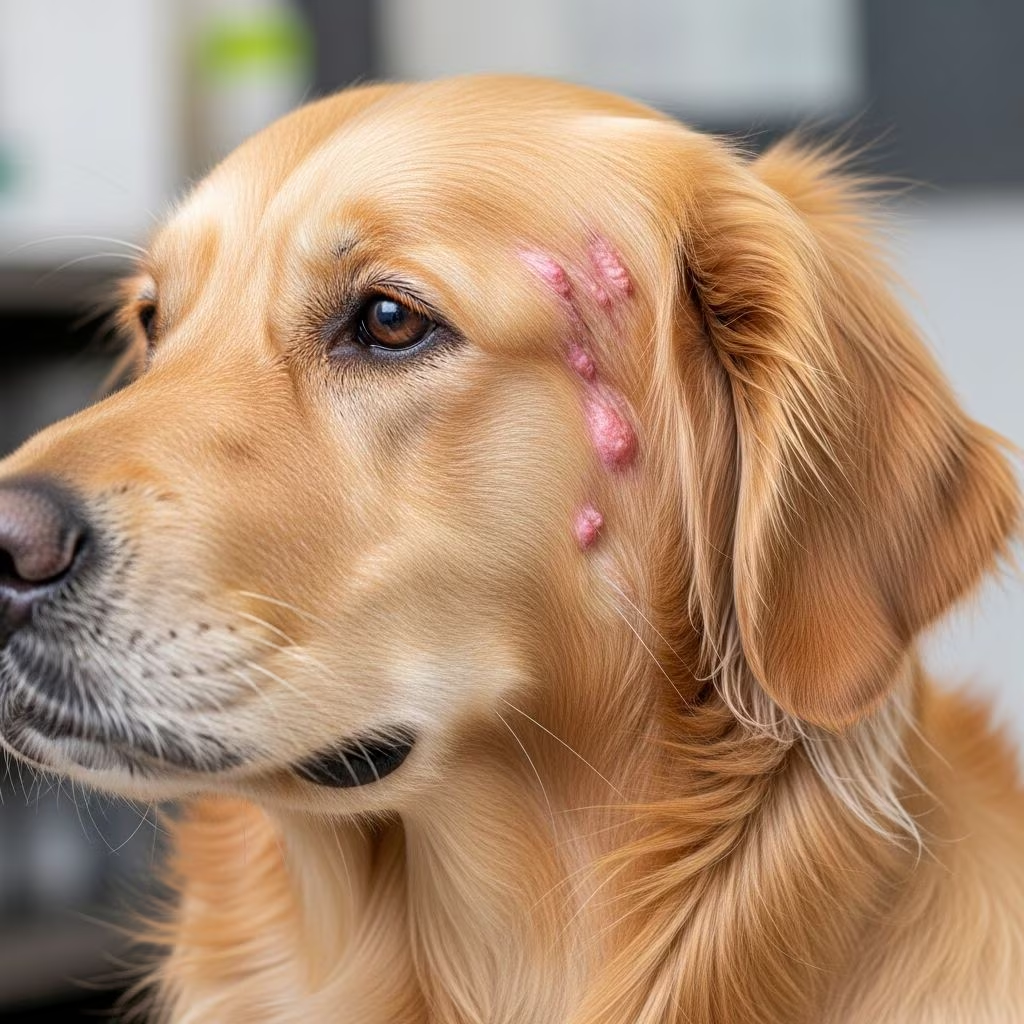
Understanding Sebaceous Adenitis in Dogs
Sebaceous adenitis is a chronic inflammatory skin condition that affects the sebaceous glands in dogs. These glands are responsible for producing sebum, a fatty substance that lubricates the skin and provides natural protection against bacteria and other pathogens. When a dog develops sebaceous adenitis, the immune system mistakenly attacks these essential glands, leading to their gradual destruction. This condition results in decreased sebum production, which compromises the skin barrier and leads to various dermatological complications.
The disease is characterized by progressive inflammation and eventual atrophy of the sebaceous glands. While sebaceous adenitis can affect dogs of any age or breed, certain breeds appear to have a genetic predisposition to this condition. Understanding the nature of this disease is crucial for dog owners seeking to manage their pet’s skin health effectively.
Symptoms and Signs of Sebaceous Adenitis
Recognizing the symptoms of sebaceous adenitis is essential for early intervention and management. Dogs with this condition typically display several characteristic signs that become increasingly noticeable over time:
- Patchy hair loss (alopecia) that may start localized and progress to larger areas
- Excessive scaling and flaking of the skin
- Scaly white or gray skin appearance
- Reddish or inflamed skin tint
- Lesions that commonly appear on the head, ear flaps, and dorsal midline
- Dry, brittle hair texture
- Follicular plugging (visible clogging of hair follicles)
- Secondary skin infections due to compromised skin barrier function
- Pruritus (itching) in some cases, particularly when secondary infections develop
The severity and progression of symptoms can vary significantly between individual dogs. Some dogs may experience a waxing and waning course, with periods of improvement followed by flare-ups. In severe cases, the hair loss and scaling can become extensive, significantly affecting the dog’s appearance and quality of life.
Diagnosis of Sebaceous Adenitis
Accurate diagnosis of sebaceous adenitis is critical for implementing appropriate treatment strategies. While clinical signs and appearance can be suggestive, definitive diagnosis requires a skin biopsy. During this procedure, your veterinarian will collect a small tissue sample from the affected area and have it examined under a microscope by a veterinary pathologist. The biopsy will reveal characteristic histological changes including sebaceous gland inflammation, atrophy, and destruction.
Your veterinarian may also perform other diagnostic tests to rule out similar conditions and assess for secondary infections. These might include fungal cultures to exclude ringworm, bacterial cultures if infection is suspected, and examination of skin scrapings. Blood work may be recommended to evaluate overall health and ensure the dog is suitable for certain medications used in treatment.
Treatment Options for Sebaceous Adenitis
While sebaceous adenitis cannot be cured, it can be effectively managed through a combination of topical and systemic therapies. Treatment is designed to slow disease progression, reduce inflammation, manage symptoms, and prevent secondary infections. The most effective approach typically involves combining multiple treatment modalities tailored to the individual dog’s needs and response.
Topical Therapies
Topical treatments form the foundation of sebaceous adenitis management and are often the first line of therapy:
- Medicated Shampoos: Prescription shampoos containing sulfur and salicylic acid (such as Virbac Keratolux) help reduce flaking, soften scales, and treat any bacterial infections. These are typically used once or twice weekly initially.
- Sprays and Mousses: Humectant sprays containing propylene glycol (50-70% concentration) help soften and hydrate the skin. These can be applied every two to four days or as recommended by your veterinarian.
- Oil Soaks: Weekly baby oil or mineral oil soaks lasting two to three hours followed by thorough bathing help deeply hydrate the skin and improve the coat condition.
- Leave-on Moisturizers: Emollient products applied directly to the skin provide ongoing moisture and barrier support between bathing.
Oral Medications and Supplements
Systemic treatments address the underlying inflammation and immune dysfunction:
- Cyclosporine (Atopica): This is the most commonly prescribed oral medication for sebaceous adenitis and has the strongest evidence for effectiveness. It works by regulating the immune system’s attack on the sebaceous glands. The typical dose is 5 mg/kg daily, with beneficial effects often observed within the first four months of treatment.
- Oral Antibiotics: These are reserved for cases with secondary bacterial infections or when topical therapy alone proves insufficient. Doxycycline may be particularly beneficial as it helps regulate immune response at lower doses than those needed for antimicrobial effects.
- Vitamin A and Essential Fatty Acid Supplements: These supplements support skin health and may help normalize keratinization. Omega-3 fatty acids with EPA and DHA are particularly beneficial, typically given at 180 mg of combined EPA and DHA per 5 kg of body weight daily.
- Niacinamide: This form of vitamin B can be used in combination with tetracyclines to support skin barrier function.
Severe Case Management
Dogs with severe or resistant sebaceous adenitis may require more aggressive treatment protocols. These might include retinoids like isotretinoin, which have potent sebostatic effects and can improve scaling and alopecia in approximately 50% of cases. However, these medications require careful monitoring and have potential side effects. Prednisone may be used initially at higher doses and then tapered to the lowest maintenance dose that controls clinical signs. Your veterinarian will determine the most appropriate approach based on your dog’s individual presentation and response to initial therapy.
Managing Secondary Infections
One of the most challenging aspects of sebaceous adenitis is the predisposition to secondary bacterial and yeast infections. The compromised skin barrier allows pathogens to colonize more easily. Recurrent infections can be severe enough to significantly impact quality of life. Management includes:
- Regular skin assessments to detect infections early
- Appropriate topical antimicrobials when infections develop
- Oral antibiotics only when necessary, chosen carefully to avoid antibiotic resistance
- Antifungal medications if yeast infections occur
- Maintaining proper skin hygiene through regular bathing with medicated products
Long-Term Management Considerations
Sebaceous adenitis requires lifelong management and commitment from dog owners. The disease can be managed but not cured, which means affected dogs should not be bred. Successful long-term management involves:
Regular Veterinary Monitoring: Schedule regular check-ups to assess treatment effectiveness and adjust protocols as needed. Some dogs may require medication adjustments over time as their condition evolves.
Consistent Home Care: Establish and maintain a regular grooming and bathing routine with prescribed products. Consistency is crucial for optimal results, as intermittent care may allow the condition to worsen.
Communication with Your Veterinarian: Keep detailed records of what treatments work and what doesn’t for your individual dog. Every dog responds differently to therapy, so open communication helps your veterinarian fine-tune the treatment plan.
Quality of Life Assessment: Monitor your dog’s comfort level, skin condition, coat appearance, and behavioral changes. These observations help determine if the current treatment regimen is adequately managing the disease.
Prevention and Genetic Considerations
Since sebaceous adenitis appears to have a genetic component, affected dogs should not be used for breeding. If you own a dog with this condition, discussing the genetic aspects with your veterinarian is important. For breeds predisposed to sebaceous adenitis, responsible breeding practices that exclude affected individuals from breeding programs can help reduce the prevalence of this condition in future generations.
Quality of Life and Prognosis
While sebaceous adenitis significantly affects a dog’s quality of life, particularly in severe cases, proper management can substantially improve comfort and appearance. Most dogs respond reasonably well to a combination of topical and systemic therapies. However, patience and persistence are essential, as finding the optimal treatment regimen may take several months of adjustment and monitoring.
The prognosis depends on the severity of the disease, the dog’s age at diagnosis, breed predisposition, and responsiveness to treatment. Early diagnosis and initiation of appropriate therapy generally lead to better outcomes. Some dogs may even experience some regeneration of sebaceous glands with appropriate treatment, particularly when cyclosporine is used effectively.
Frequently Asked Questions
Q: Is sebaceous adenitis contagious to other dogs?
A: No, sebaceous adenitis is not contagious. It is an immune-mediated condition specific to the affected dog and cannot be transmitted to other animals.
Q: Can sebaceous adenitis be cured?
A: No, sebaceous adenitis cannot be cured as it involves permanent damage to the sebaceous glands. However, it can be effectively managed with long-term multimodal therapy to control symptoms and slow progression.
Q: How long does it take to see improvement with treatment?
A: Improvement timelines vary depending on the treatment approach and individual dog response. With oral cyclosporine, beneficial effects are often observed within the first four months. Topical therapies may show gradual improvement over weeks to months.
Q: Are there natural treatments for sebaceous adenitis?
A: Mild cases may be managed with natural approaches including omega fatty acid supplements, keratolytic shampoos, and emollient rinses. However, more severe cases typically require prescription medications under veterinary supervision.
Q: Why is breeding affected dogs not recommended?
A: Sebaceous adenitis appears to have a genetic predisposition, particularly in certain breeds. Breeding affected dogs risks passing this condition to offspring, potentially increasing its prevalence in the breed population.
Q: What should I do if my dog develops a secondary skin infection?
A: Contact your veterinarian immediately for examination and appropriate treatment. Secondary infections require prompt intervention with antibiotics or antifungals to prevent complications and improve comfort.
Q: How often should my dog be bathed if they have sebaceous adenitis?
A: Bathing frequency depends on the severity and treatment protocol. Typically, medicated shampoos are used once or twice weekly, with additional topical treatments as recommended by your veterinarian. Your vet will provide specific guidance based on your dog’s individual needs.
References
- Sebaceous Adenitis in Dogs — VCA Animal Hospitals. 2023. https://vcahospitals.com/know-your-pet/sebaceous-adenitis-in-dogs
- Sebaceous Adenitis in Dogs — PetMD. 2023. https://www.petmd.com/dog/conditions/skin/sebaceous-adenitis-dogs
- Sebaceous Adenitis in Companion Animals — Today’s Veterinary Practice. 2023. https://todaysveterinarypractice.com/dermatology/sebaceous-adenitis-in-companion-animals/
- Glands Sakes! Diagnosing and Treating Sebaceous Adenitis in Dogs — DVM360. 2023. https://www.dvm360.com/view/glands-sakes-diagnosing-and-treating-sebaceous-adenitis-dogs
- Sebaceous Adenitis in Dogs and Cats — Merck Veterinary Manual. 2023. https://www.merckvetmanual.com/ear-disorders/diseases-of-the-pinna/sebaceous-adenitis-in-dogs-and-cats



