

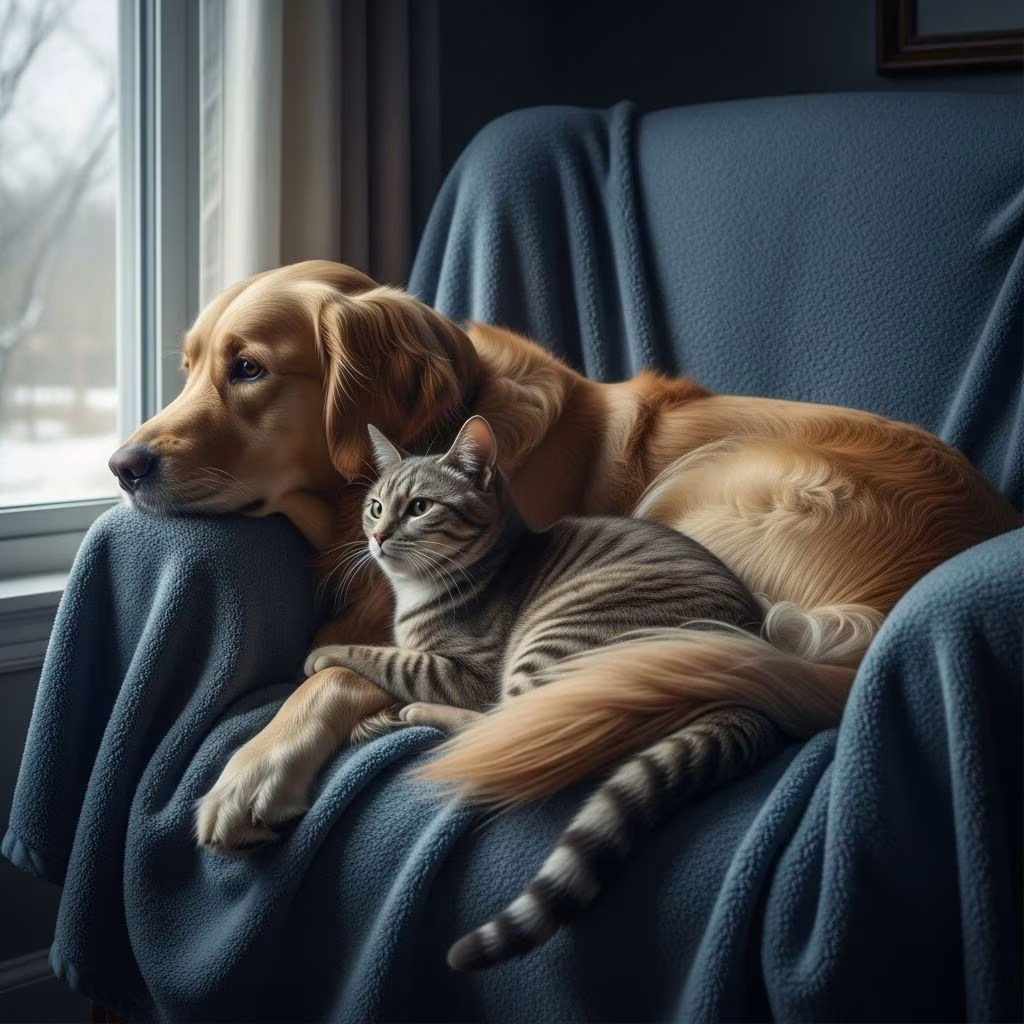
As the days grow shorter and temperatures drop, many pet owners notice changes in their furry companions’ behavior and energy levels. If your pet seems less enthusiastic, more lethargic, or withdrawn during winter months, you may be witnessing something very real: seasonal depression in pets. The good news is that understanding this condition and taking proactive steps can help your beloved dog or cat navigate the colder months with greater comfort and happiness.
What Is SAD—And What Causes It?
Seasonal Affective Disorder (SAD) is a type of depression that correlates directly with seasonal changes, most commonly occurring during winter months. While this condition is well-documented in humans, research suggests that our pets experience similar physiological responses to shifting seasons.
The primary culprits behind seasonal depression involve several interconnected factors. Changes in sunlight exposure significantly impact melatonin production—a chemical that regulates sleep and mood. When daylight hours decrease, pets’ circadian rhythms become disrupted, potentially triggering depressive symptoms. Additionally, shifting melatonin levels can affect overall behavioral patterns and emotional states in animals, much like they do in humans.
According to veterinary experts, about one-third of pet parents report observing noticeable shifts in their dog’s mental state and energy levels during winter months. This prevalence suggests that seasonal depression in pets is not uncommon but rather a widespread phenomenon requiring attention and intervention.
Cats, in particular, are especially prone to SAD due to their crepuscular nature—they are naturally more active during dawn and dusk hours when their prey is most active. When daylight becomes scarce during winter, this natural instinct becomes increasingly difficult to satisfy, potentially amplifying depressive symptoms.
Signs of Seasonal Depression in Dogs and Cats
While scientific research on seasonal depression in pets remains limited compared to human studies, veterinary professionals and pet parents have identified several consistent behavioral patterns that warrant attention. Recognizing these signs early allows for timely intervention and support.
Common Symptoms to Watch For
The most frequently observed signs of seasonal depression in pets include:
- Decreased energy and increased lethargy: Your pet may seem perpetually tired, showing little interest in activities they normally enjoy.
- Increased sleeping: A significant uptick in sleep duration is one of the most noticeable changes during winter months.
- Changes in eating patterns: Loss of appetite or conversely, increased food consumption can indicate mood changes.
- Behavioral alterations: Overgrooming, excessive vocalizing, or unusual behavioral patterns may emerge.
- Weight gain: Reduced activity combined with appetite changes often results in weight gain, which can lead to additional health complications.
- Mood changes: Your pet may seem withdrawn, less social, or display increased aggression or destructive behavior.
- Hiding or withdrawal: Some pets become reclusive, avoiding family members or hiding in secluded areas.
- Clinginess: Conversely, other pets may become unusually dependent, constantly seeking human companionship.
- Excessive shedding: Hormonal changes can trigger increased fur loss during winter months.
- Decreased interest in toys and exercise: Even favorite activities may lose their appeal.
- More frequent barking in dogs: Dogs may vocalize more often, potentially out of boredom or anxiety.
It’s important to note that while these symptoms might indicate seasonal depression, they could also signal other underlying health conditions. Consulting with your veterinarian to rule out alternative causes is always prudent before attributing changes solely to SAD.
Diagnosing Seasonal Depression in Pets
Diagnosing seasonal affective disorder in pets presents unique challenges. Unlike humans, animals cannot verbalize their feelings or describe their emotional states. This communication barrier makes veterinary assessment particularly important.
Your veterinarian will conduct a thorough evaluation, listening carefully to your observations and concerns about your pet’s behavioral changes. They will assess your pet’s overall health, activity levels, eating habits, and emotional demeanor. If necessary, they may suggest specific treatment protocols tailored to your individual pet’s needs.
The key principle guiding veterinary assessment is this: whether SAD is definitively to blame or not, mood and behavior changes are very real and should be addressed. Your vet’s role is to help determine the underlying cause and recommend appropriate interventions.
Treatments for Seasonal Affective Disorder in Pets
Unlike treatment for SAD in humans—which often includes light therapy, medication, and cognitive behavioral therapy—treating seasonal depression in pets typically focuses on lifestyle modifications and carefully selected supplements approved by your veterinarian.
Keep Your Home Well-Lit
One of the simplest yet most effective interventions involves maximizing light exposure within your home. Open blinds and curtains throughout the day to allow natural sunlight to flood your living spaces. Turn on lights in rooms where your pet frequently spends time, particularly during morning and evening hours.
Consider investing in full spectrum lighting, which mimics natural sunlight more closely than standard bulbs. These specialized lights can help regulate circadian rhythms and may alleviate SAD symptoms in both you and your pets. Position these lights in areas where your pet spends the most time for maximum benefit.
Spend More Time Outside
Despite colder temperatures, outdoor time remains crucial for combating seasonal depression. Fresh air, natural light, physical movement, and environmental enrichment provide therapeutic benefits that indoor environments simply cannot replicate.
Bundle your pet appropriately for winter conditions—pet sweaters and booties protect sensitive paws and skin from cold and ice. Even short outdoor excursions provide substantial mental and physical stimulation. Regular outdoor time helps maintain your pet’s natural circadian rhythm and provides natural light exposure essential for melatonin regulation.
Strategic Supplementation
With your veterinarian’s approval, certain supplements can support your pet’s emotional and cognitive health during winter months. However, supplementation should always occur under professional guidance to ensure safety and appropriate dosing.
Omega-3 fatty acids: Fish oil-based omega-3 supplements support cognitive function and may help improve mood and behavior. These supplements should always be administered under veterinary supervision.
Probiotics: A healthy gut microbiome significantly influences mood and behavior. Veterinary-approved probiotic supplements support digestive health and overall wellbeing.
Muscle support formulas: For pets whose activity levels have decreased, specialized supplements containing natural compounds can help maintain muscle tone and encourage continued physical engagement.
Important vitamin caution: While vitamin D supplements are commonly used to treat SAD in humans, they should never be given to pets unless specifically prescribed by a veterinarian for a particular medical condition. The safety margin for vitamin D in animals is dangerously narrow, and improper administration can cause serious, potentially fatal consequences.
Indoor Enrichment and Quality Time
Spending quality one-on-one time with your pet helps maintain their emotional wellbeing and elevates both their spirits and yours. Interactive activities provide mental stimulation and strengthen your bond.
Consider these enrichment activities:
- Play interactive games with your pet
- Stream pet-friendly movies or videos
- Bake homemade pet-safe treats together
- Create indoor agility courses
- Use puzzle feeders and food-dispensing toys
- Engage in hide-and-seek games with toys and treats
- Practice scent work exercises to stimulate their mind
- Arrange playdates with other pets or doggy daycare visits
Maintain Consistent Routines
While it’s tempting to adjust routines during harsh winter weather, maintaining consistent schedules provides your pet with predictability and structure. Regular feeding times, exercise schedules, and play sessions help regulate their internal clock and provide emotional stability during a season of change.
Exercise and Activity Modifications
Encouraging continued physical activity is essential for preventing weight gain and maintaining mental health. Adapt exercise routines to winter conditions rather than abandoning them entirely.
For dogs, consider:
- Regular walks with appropriate winter gear
- Food puzzles to encourage problem-solving
- Kong toys for interactive play
- Scent work exercises using various scents
- Homemade agility courses in indoor spaces
- Catch or frisbee in cleared outdoor areas
For cats, focus on:
- Interactive wand toys and laser pointers
- Vertical climbing structures near windows
- Window perches for bird watching
- Puzzle feeders and treat-dispensing toys
- Scheduled playtime mimicking natural hunting behaviors
When to Consult Your Veterinarian
While many cases of seasonal depression can be managed through lifestyle modifications, certain situations warrant professional veterinary consultation. Seek veterinary guidance if your pet exhibits:
- Extreme signs of anxiety or stress
- Prolonged changes in appetite lasting more than a few days
- Severe behavioral changes or aggression
- Excessive overgrooming causing skin damage
- Any other concerning behavioral or physical symptoms
Your veterinarian can provide guidance, recommend appropriate medications if necessary, and suggest supplements to regulate your pet’s circadian rhythm and mood.
Frequently Asked Questions
Q: Can both dogs and cats experience seasonal affective disorder?
A: Yes, both dogs and cats can experience SAD. They respond to similar environmental triggers as humans, including reduced daylight, melatonin changes, and altered sleep patterns. Cats may be particularly susceptible due to their crepuscular nature.
Q: How common is seasonal depression in pets?
A: Research indicates that approximately one-third of pet parents observe noticeable shifts in their pet’s mental state and energy levels during winter months, suggesting SAD is a fairly common phenomenon among companion animals.
Q: What is the difference between normal winter behavior and seasonal depression?
A: While some behavioral changes are natural during winter, seasonal depression involves significant alterations in appetite, activity levels, mood, and social behavior lasting throughout the winter season. If changes seem extreme or concerning, consult your veterinarian.
Q: Are there any supplements I should avoid giving my pet?
A: Yes, vitamin D supplements should never be given to pets without explicit veterinary prescription. The safety margin is extremely narrow, and improper administration can cause serious health complications. Always consult your veterinarian before starting any supplement regimen.
Q: How long does seasonal depression in pets typically last?
A: Seasonal depression generally corresponds with winter months, typically lasting from late fall through early spring. As daylight hours increase, most pets naturally show improvement in mood and energy levels.
Q: Can I use my own light therapy lamp for my pet?
A: While full spectrum lights designed for pets can be beneficial, using human-targeted light therapy devices should only be done under veterinary guidance to ensure appropriate exposure and safety.
Taking Action: Your Winter Pet Care Plan
Don’t let winter weather dampen your pet’s spirits. By implementing preventative measures now—before days become even shorter—you can significantly impact your pet’s emotional and physical wellbeing throughout the colder months. The combination of increased home lighting, consistent outdoor time, strategic supplementation, enriching indoor activities, and quality time together creates a comprehensive approach to combating seasonal depression.
Remember that seasonal depression in pets is temporary. With thoughtful care, attention, and veterinary support, both you and your beloved companion can navigate winter with greater comfort, happiness, and health. Take the first step today by assessing your current routines and identifying opportunities to enhance your pet’s winter experience. Your proactive approach now will pay dividends in your pet’s wellbeing throughout the season ahead.
References
- Can Dogs and Cats Get Seasonal Depression? What You Need to Know — Chewy. Accessed 2025. https://www.chewy.com/education/cat/health-and-wellness/winter-is-coming-what-you-need-to-know-about-seasonal-depression-in-pets
- Can Cats Have Seasonal Affective Disorder? — Jackson Galaxy. Accessed 2025. https://www.jacksongalaxy.com/blogs/news/can-cats-have-seasonal-affective-disorder
- Does Seasonal Affective Disorder Affect Pets? — PetMD. Accessed 2025. https://www.petmd.com/dog/general-health/does-sad-affect-pets
- Seasonal Affective Disorder (SAD) — Cleveland Clinic. Accessed 2025. https://my.clevelandclinic.org/health/diseases/9293-seasonal-depression
- Seasonal Affective Disorder and Pet Health — The Whole Pet Vet. Accessed 2025. https://www.thewholepetvet.com/blog/seasonal-affective-disorder-and-pet-health/



