

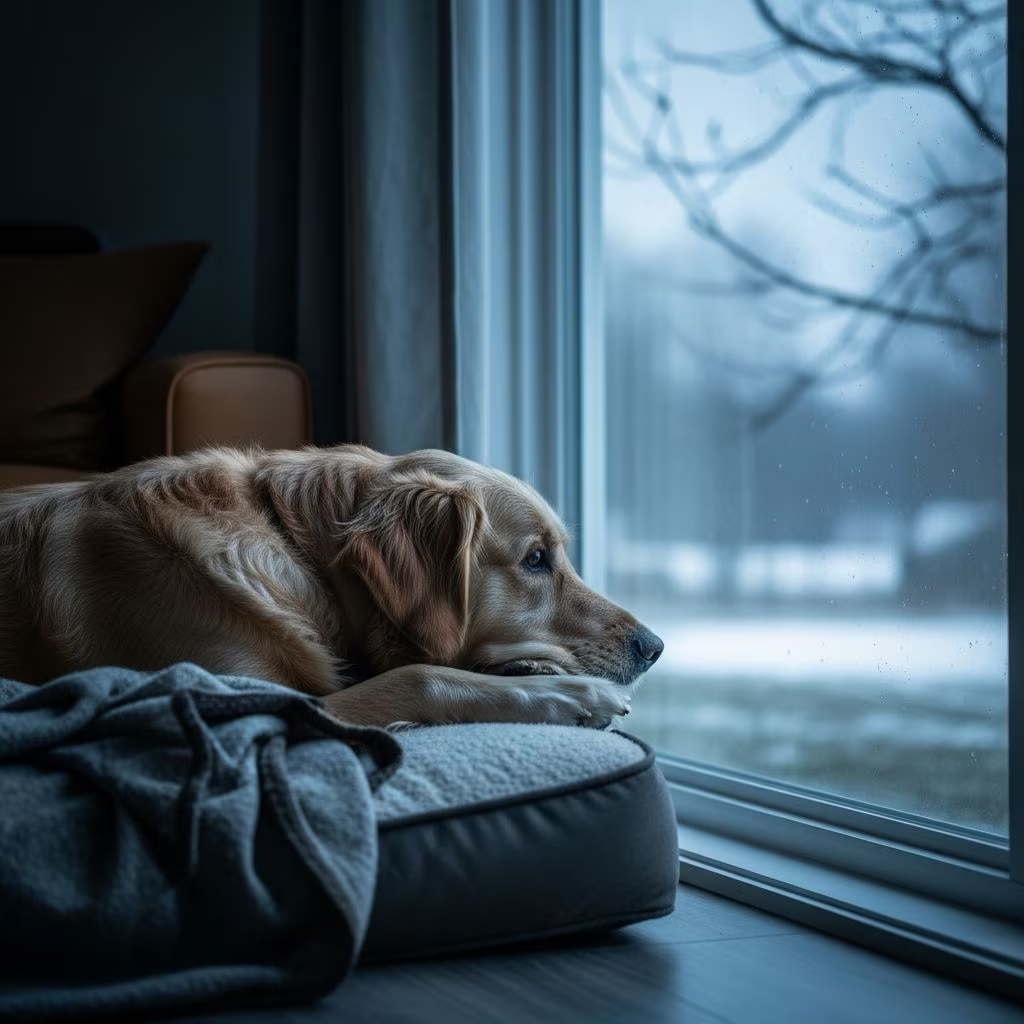
Just like humans, dogs can experience mood dips during the darker, colder months of winter. Seasonal Affective Disorder (SAD), often called the ‘winter blues,’ may affect our canine companions, leading to noticeable changes in behaviour and energy levels. While not officially diagnosed in veterinary medicine the same way as in humans, many pet owners and vets observe seasonal patterns in dogs that mirror SAD symptoms. Understanding this condition helps ensure your dog stays happy and healthy year-round.
What is Seasonal Affective Disorder (SAD)?
Seasonal Affective Disorder is a type of depression that occurs at certain times of the year, most commonly in winter when daylight hours are shorter. In humans, it’s linked to reduced sunlight exposure, which disrupts melatonin and serotonin production—hormones regulating mood and sleep. For dogs, similar disruptions may occur due to physiological changes. A study from the University of Košice found fluctuations in thyroid hormones (TT4 and fT4) in dogs, peaking in winter and dropping in summer, suggesting a seasonal physiological response that could influence behaviour.
Although the American Kennel Club notes there’s no scientific evidence confirming SAD in dogs exactly as in humans, behavioural shifts coinciding with seasonal changes are common. Dogs may not ‘suffer’ from SAD clinically, but factors like less outdoor time, colder weather, and even mirroring their owners’ moods can lead to depressive-like states.
Do Dogs Get Seasonal Affective Disorder?
Dogs can exhibit symptoms resembling SAD, particularly during fall and winter. Reduced sunlight affects their circadian rhythms, potentially lowering energy and mood. Owners often report dogs becoming lethargic or withdrawn as days shorten. This isn’t just anecdotal; vets observe patterns where indoor confinement due to weather exacerbates issues like boredom and inactivity.
Dogs are highly attuned to their environment and owners. If you’re experiencing SAD, your dog might pick up on your lower energy, adopting a sedentary lifestyle too. Their strong attachment means they mirror human behaviour, staying close during low-activity periods, which can compound gloominess. Breeds with thicker coats or those from warmer climates may feel winter impacts more acutely, though any dog can be affected.
Symptoms of Seasonal Affective Disorder in Dogs
Recognising SAD-like symptoms early is key. Look for changes that align with seasonal shifts, such as:
- Lethargy and low energy: Your usually active dog sleeps more or shows disinterest in play.
- Appetite changes: Loss of appetite or overeating, leading to weight fluctuations.
- Withdrawal or hiding: Avoiding interaction, seeking solitude, or hiding.
- Anxiety or agitation: Increased barking, restlessness, or pacing.
- Mood shifts: Aggression, destructiveness from boredom, or clinginess.
- Excessive shedding or disinterest in toys/exercise: Even with more indoor time.
These signs mimic human SAD but could indicate other issues like pain or illness, so monitor duration and severity.
Causes of Seasonal Affective Disorder in Dogs
Several factors contribute to winter blues in dogs:
- Reduced sunlight: Less light disrupts hormone balance, similar to humans.
- Weather and limited exercise: Cold, rain, or snow keeps dogs indoors, causing boredom.
- Owner influence: Dogs mirror depressed or inactive owners.
- Physiological changes: Thyroid hormone fluctuations noted in studies.
- Routine disruptions: Shorter days alter sleep-wake cycles.
Indoor confinement amplifies issues, leading to pent-up energy and behavioural problems.
How to Help a Dog with Seasonal Affective Disorder
Fortunately, simple strategies can lift your dog’s spirits:
Increase Light Exposure
Open curtains for natural light and walk during brightest times. Dog-safe light therapy lamps mimic sunlight, potentially regulating serotonin.
Maintain Routine and Exercise
Stick to feeding, walking, and play schedules. Bundle up for outdoor walks—short bursts help. Indoor options include agility courses, scent work, or fetch.
Provide Mental Stimulation
- Food puzzles and Kong toys.
- Hide-and-seek with treats.
- Scent games or doggy daycare.
Enhance Bonding
Extra cuddles, play, and attention combat isolation.
Dietary Adjustments
Balanced diets with omega-3s (fish oil) support cognition—vet-approved only. Avoid excess vitamin D; focus on tryptophan-rich foods like fish or turkey for serotonin. Complex carbs like pumpkin stabilise energy.
| Strategy | Benefits | Examples |
|---|---|---|
| Light Therapy | Regulates hormones | Safe lamps, sunny walks |
| Exercise | Boosts endorphins | Walks, indoor agility |
| Enrichment | Reduces boredom | Puzzles, scent work |
| Diet | Supports mood | Omega-3s, tryptophan |
When to See a Vet
If symptoms persist beyond two weeks despite changes, or include severe weight loss, aggression, or illness signs, consult a vet. Rule out medical issues like hypothyroidism or pain. Vets may suggest supplements, meds, or diagnostics.
FAQs
Can all dogs get SAD?
Yes, though working breeds or those with high exercise needs may show stronger symptoms.
Is light therapy safe for dogs?
Dog-safe versions are; consult vets for recommendations.
How long do winter blues last?
Typically until spring, but interventions shorten it.
Can diet alone fix SAD?
No, combine with exercise and light.
What if my dog is aggressive in winter?
Check for pain; increase stimulation.
References
- How to Recognize and Manage Seasonal Depression in Pets — Sunrise Boulevard Animal Hospital. 2023. https://www.sbahvet.com/blog/how-to-recognize-and-manage-seasonal-depression-in-pets/
- Seasonal Affective Disorder in Dogs: Do Pets Get the Winter Blues — Rover. 2023. https://www.rover.com/blog/seasonal-affective-disorder-dogs-pets-get-winter-blues/
- Does Seasonal Affective Disorder Affect Pets? — PetMD. 2024-01-15. https://www.petmd.com/dog/general-health/does-sad-affect-pets
- Seasonal Affective Disorder (SAD) in dogs, explained — ManyPets. 2024. https://manypets.com/uk/articles/seasonal-affective-disorder-in-dogs/
- Can Dogs Get Seasonal Affective Disorder? — American Kennel Club (AKC). 2023-12-01. https://www.akc.org/expert-advice/health/can-dogs-get-seasonal-affective-disorder/



