

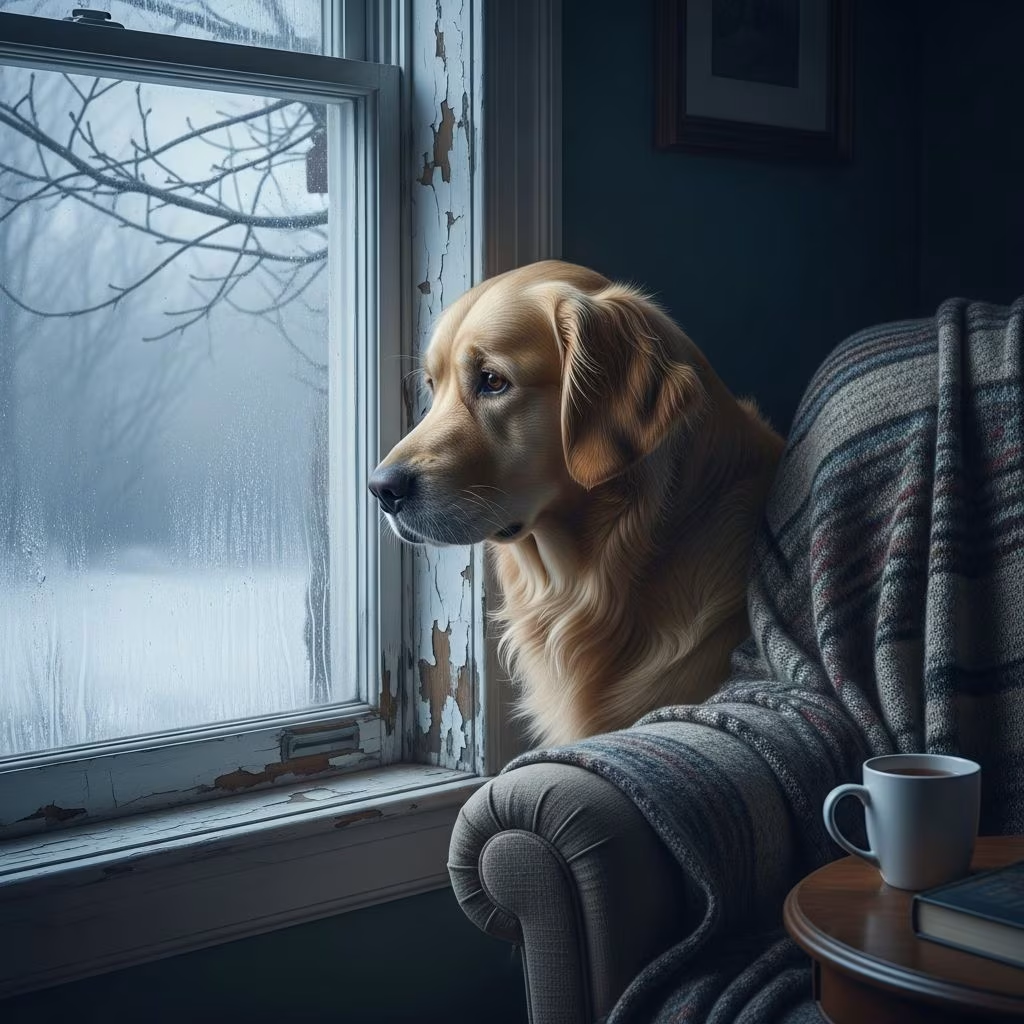
Dogs, like humans, can exhibit symptoms resembling **Seasonal Affective Disorder (SAD)** during winter months, characterized by shorter days and reduced sunlight exposure. While not officially diagnosed in veterinary medicine the same way as in humans, many pet owners and experts observe behavioral changes in dogs that mirror SAD, such as lethargy, appetite shifts, and withdrawal.
What Is Seasonal Affective Disorder (SAD)?
**Seasonal Affective Disorder (SAD)** is a type of depression that occurs seasonally, most commonly in fall and winter when daylight hours decrease. In humans, it is linked to disruptions in circadian rhythms and serotonin levels due to diminished natural light. Although scientific evidence for SAD in dogs is limited—with the American Kennel Club stating there is no direct proof—similar patterns emerge in pets. Dogs may not ‘suffer’ from SAD clinically, but environmental factors like reduced outdoor time and owner mood changes can lead to comparable symptoms.
Research, such as a study from the University of Košice, indicates fluctuations in thyroid hormones (TT4 and fT4) in dogs, peaking in winter, suggesting physiological responses to seasonal changes that could influence behavior. Additionally, dogs are highly attuned to their owners; if a human experiences SAD, the pet may mirror sedentary behaviors, amplifying low mood.
Do Dogs Get Seasonal Affective Disorder?
Veterinary consensus leans toward skepticism for a formal SAD diagnosis in dogs, but anecdotal and observational evidence supports winter-induced behavioral shifts. PetMD lists symptoms like increased sleeping, low energy, and mood changes as potential indicators. The Rover blog notes dogs may adapt to their owners’ winter doldrums, staying close and adopting low-energy habits.
Key debate points:
- No scientific evidence: AKC experts emphasize lack of studies confirming SAD in canines.
- Observational similarities: Clinics like Sunrise Boulevard Animal Hospital report pets showing withdrawal and agitation in colder months.
- Indirect causes: Boredom from indoor confinement and less exercise often mimics depression.
Breeds in northern climates or those with thick coats may be more prone due to limited activity, but any dog can show signs.
Signs and Symptoms of SAD in Dogs
Recognizing **SAD symptoms in dogs** early is crucial. Look for changes coinciding with seasonal shifts:
- **Lethargy and low energy:** Dogs sleep more, show disinterest in play or walks.
- **Appetite changes:** Loss of appetite or overeating.
- **Withdrawal or clinginess:** Avoiding interaction or excessive attachment to family.
- **Anxiety or agitation:** Increased barking, restlessness, or destructive behavior from boredom.
- **Mood shifts:** Less enthusiasm for toys, excessive shedding, or hiding.
These align with human SAD but could indicate other issues like pain or illness, so monitor duration—persisting beyond two weeks warrants attention.
Why Do Dogs Experience Seasonal Changes?
Several factors contribute to winter blues in dogs:
- Reduced sunlight: Affects melatonin and serotonin, key mood regulators; dogs need light for circadian health.
- **Less exercise: Cold weather limits outdoor time, leading to boredom and pent-up energy.
- **Owner influence: Dogs mirror human SAD through shared routines and emotional bonds.
- Physiological shifts: Thyroid hormone variations noted in studies.
- Indoor confinement: More time inside increases frustration, aggression, or lethargy.
Unlike humans, dogs lack verbal expression, making behavioral cues the primary signal.
How to Help a Dog with Seasonal Affective Disorder
Managing **SAD-like symptoms** involves lifestyle adjustments proven effective across sources:
Increase Light Exposure
Prioritize sunlight: Walk during peak daylight, position beds near windows, or use dog-safe light therapy lamps to mimic natural light and regulate hormones.
Maintain Routine and Exercise
Consistency combats unpredictability. Daily walks (even short), indoor games, or scent work keep dogs active. Fight hibernation urges—outdoor time boosts endorphins.
Provide Mental Stimulation
Interactive toys, puzzle feeders, hide-and-seek, or agility courses indoors prevent boredom. Tug games or food-dispensing toys enhance cognitive function.
Enhance Social Interaction
Extra cuddles, play sessions, and family time reduce isolation. Dogs thrive on bonding, which elevates mood for both pet and owner.
Dietary Support
A balanced diet suffices usually, but consider omega-3s (fish oil) for brain health—vet-approved only. Foods high in tryptophan (fish, turkey) or complex carbs (pumpkin) aid serotonin. Avoid excess vitamin D, toxic to dogs.
Sample Winter Enrichment Plan
| Time | Activity | Benefit |
|---|---|---|
| Morning | Sunny walk (20-30 min) | Light + exercise |
| Afternoon | Puzzle toy session | Mental stim |
| Evening | Play/cuddles | Bonding + routine |
| Daily | Window perch | Natural light |
When to See a Vet for Dog SAD Symptoms
Consult a veterinarian if symptoms persist despite changes, worsen, or include weight loss, aggression, or pain. Rule out medical issues like hypothyroidism or arthritis, common in winter. Vets may suggest supplements, meds, or diagnostics. Early intervention prevents escalation.
FAQs
Can dogs really get Seasonal Affective Disorder?
No definitive scientific proof exists, but dogs show similar winter symptoms due to light reduction and lifestyle changes.
What are the main signs of SAD in dogs?
Lethargy, appetite changes, withdrawal, anxiety, and low interest in activities.
How can I increase my dog’s sunlight exposure in winter?
Walk midday, open curtains, use light therapy, or place beds by windows.
Are supplements safe for dogs with winter blues?
Omega-3s may help; avoid vitamin D excess. Always vet-check.
When should I worry about my dog’s behavior?
If unchanged after 2 weeks of home efforts or with other health signs.
Conclusion
While **Seasonal Affective Disorder in dogs** remains debated, proactive steps like light, exercise, and stimulation keep pups happy. Monitor closely and partner with your vet for optimal care.
References
- How to Recognize and Manage Seasonal Depression in Pets — Sunrise Boulevard Animal Hospital. 2023. https://www.sbahvet.com/blog/how-to-recognize-and-manage-seasonal-depression-in-pets/
- Seasonal Affective Disorder in Dogs: Do Pets Get the Winter Blues — Rover. 2023. https://www.rover.com/blog/seasonal-affective-disorder-dogs-pets-get-winter-blues/
- Seasonal Affective Disorder (SAD) in dogs, explained — ManyPets. 2023. https://manypets.com/uk/articles/seasonal-affective-disorder-in-dogs/
- Does Seasonal Affective Disorder Affect Pets? — PetMD. 2024-10-15. https://www.petmd.com/dog/general-health/does-sad-affect-pets
- Can Dogs Get Seasonal Affective Disorder? — American Kennel Club (AKC). 2023. https://www.akc.org/expert-advice/health/can-dogs-get-seasonal-affective-disorder/



