

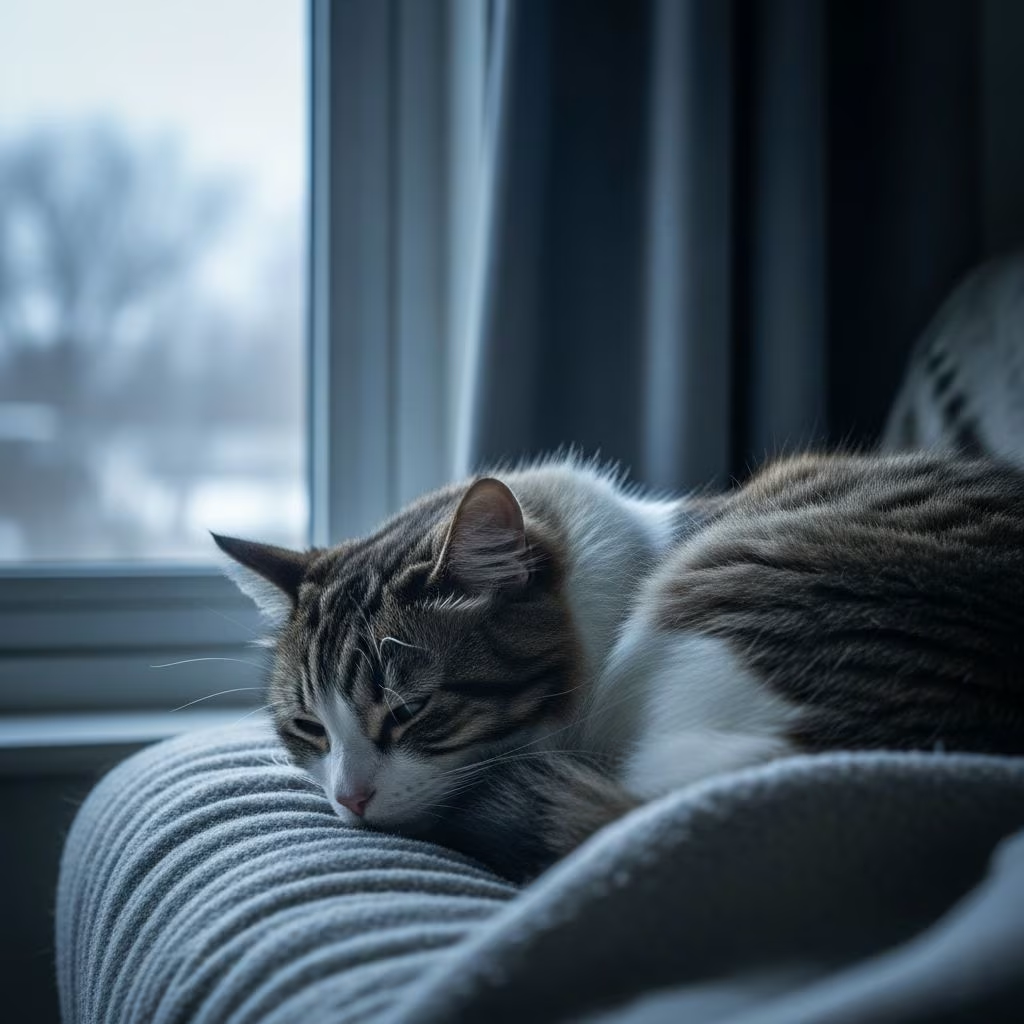
Seasonal Affective Disorder in Cats: Understanding Winter Blues in Felines
As the days grow shorter and winter approaches, many cat owners notice subtle but significant changes in their feline companions’ behavior. Just like humans, cats can experience Seasonal Affective Disorder (SAD), a type of depression linked to seasonal changes and reduced sunlight exposure. Understanding this condition is essential for maintaining your cat’s physical and mental wellbeing during the darker months.
Seasonal Affective Disorder is characterized by mood changes, reduced energy levels, and behavioral shifts that typically begin in late autumn and persist through winter. While the exact mechanisms of SAD in cats remain less thoroughly studied than in humans, evidence from veterinarians and pet owners suggests that cats are indeed susceptible to similar seasonal mood variations. This comprehensive guide explores what SAD looks like in cats, why it happens, and what you can do to support your feline friend through the winter months.
What Is Seasonal Affective Disorder?
Seasonal Affective Disorder is a form of depression that emerges or worsens during specific seasons, most commonly winter. The condition is thought to be triggered by reduced exposure to natural sunlight, which can alter brain chemistry and disrupt normal physiological processes. During winter, diminished daylight hours can lead to decreased serotonin production—a neurotransmitter crucial for mood regulation—while simultaneously increasing melatonin levels, which regulate sleep patterns and circadian rhythms.
In humans, SAD symptoms typically begin in late autumn, peak during winter, and resolve as daylight increases in spring and summer. The condition manifests as persistent low mood, fatigue, difficulty concentrating, and changes in appetite or sleep patterns. While the scientific evidence for SAD in cats is less extensive than in humans, veterinary professionals and behavioral experts increasingly recognize that cats may experience similar seasonal mood fluctuations due to their shared mammalian biology.
Why Cats Are Particularly Vulnerable to Seasonal Changes
Cats possess unique biological characteristics that may make them especially susceptible to seasonal affective changes. As crepuscular animals, cats are naturally most active during dawn and dusk hours when their prey is typically active and their vision is optimized for low-light conditions. Their eyes contain a specialized reflective layer called the tapetum lucidum, which enhances night vision but also means they are finely attuned to variations in light exposure.
During winter, when daylight hours are significantly reduced, cats receive less natural light exposure throughout the day. This reduction in ambient light can disrupt their internal circadian rhythms, which normally align with natural day-night cycles. Additionally, cats spend more time indoors during cold months, further limiting their exposure to natural sunlight and outdoor environmental stimuli. The combination of reduced daylight, increased indoor confinement, and changes in household routines during winter creates conditions that may trigger seasonal mood and behavioral changes in felines.
Recognizing Signs of Seasonal Affective Disorder in Cats
Identifying SAD in cats requires careful observation of behavioral and physical changes that coincide with seasonal shifts. Unlike humans who can verbally describe their feelings, cats communicate through behavioral cues that may indicate mood disturbances or discomfort. The following signs may suggest your cat is experiencing seasonal affective changes:
Energy and Activity Changes
- Increased lethargy and reduced activity: Your cat may seem unusually tired, showing less interest in play, exploration, or interaction with family members.
- Excessive sleeping: While cats naturally sleep 12-16 hours daily, SAD-affected cats may sleep significantly more, spending most of their day in rest.
- Decreased interest in toys and games: Activities your cat previously enjoyed may hold little appeal, suggesting reduced motivation and interest.
- Reluctance to exercise: Your cat may avoid physical activity, preferring to remain in one spot rather than patrol their territory or engage in hunting play.
Appetite and Feeding Behavior
- Changes in appetite: Some cats eat more during winter months, potentially leading to weight gain, while others may eat less or show decreased interest in food.
- Preference for specific foods: Your cat may become pickier about food choices or show strong preferences for particular meals.
- Altered feeding patterns: Your cat might eat at different times than usual or consume smaller portions throughout the day.
Social and Behavioral Changes
- Social withdrawal: Your cat may hide away, spend more time alone, or avoid family interaction despite normally being affectionate.
- Mood changes: Your cat might appear less playful, more irritable, or display unexpected behavioral shifts.
- Increased vocalization: Some cats become more vocal during winter, meowing or vocalizing more frequently than usual.
- Clinginess or attention-seeking: Conversely, some cats may become unusually clingy, seeking constant companionship and reassurance.
- Increased aggression or destructive behavior: Boredom from extended indoor time may manifest as aggressive tendencies or destructive actions toward furniture or household items.
Grooming and Physical Health
- Reduced grooming: Your cat may groom less frequently, resulting in a duller coat or matted fur.
- Excessive shedding: Conversely, some cats may shed excessively during winter months.
- Litter box changes: You might notice increased visits to the litter tray or changes in elimination habits.
- Reduced self-care: Overall decrease in grooming and self-maintenance behaviors.
Understanding the Science Behind Seasonal Changes in Cats
The biological mechanisms driving seasonal mood changes in cats relate to how reduced sunlight affects hormone production and brain chemistry. Sunlight exposure regulates circadian rhythms by triggering the production and suppression of specific hormones. When daylight decreases, melatonin production increases—a natural response that promotes sleep and prepares the body for rest.
Simultaneously, reduced light exposure can diminish serotonin synthesis. Serotonin is a neurotransmitter fundamental to mood regulation, motivation, and feelings of wellbeing. Lower serotonin levels are associated with depressed mood, reduced motivation, and increased sleep in both humans and animals. While definitive research on SAD mechanisms in cats remains limited compared to human studies, the shared mammalian physiology suggests that cats likely experience similar hormonal and neurochemical shifts during winter.
Additionally, winter weather may indirectly influence cat behavior through changed household routines. When weather is cold and dark, people spend more time indoors, which often means cats also remain confined indoors. This reduction in outdoor exploration, environmental enrichment, and natural light exposure collectively contributes to behavioral changes that may resemble or exacerbate seasonal affective patterns.
Distinguishing Seasonal Changes from Other Health Conditions
Before attributing your cat’s behavioral changes solely to seasonal affective disorder, it’s important to rule out other medical or psychological conditions that could cause similar symptoms. Several health conditions present with signs overlapping with SAD, including thyroid dysfunction, dental disease, arthritis, urinary tract infections, and other systemic illnesses. Additionally, behavioral issues such as anxiety, stress, or response to environmental changes might mimic SAD symptoms.
If your cat displays significant behavioral changes, consult your veterinarian to conduct a thorough health assessment. Your vet can perform physical examinations, laboratory tests, and behavioral evaluations to identify any underlying medical conditions. Only after ruling out other potential causes should you consider seasonal affective disorder as the primary explanation for your cat’s behavioral shifts. This professional evaluation ensures your cat receives appropriate care tailored to their specific health needs.
Practical Strategies to Help Your Cat Through Winter
Supporting your cat through seasonal affective changes involves creating an enriched environment that compensates for reduced natural light and outdoor stimulation. Implementing these strategies can significantly improve your cat’s mood, energy levels, and overall wellbeing during winter months.
Maximize Natural Light Exposure
- Position resting spots near windows: Create comfortable perches, beds, or cat trees near windows where your cat can access available natural light throughout the day.
- Keep windows clean: Ensure windows are clean inside and out to maximize light transmission and outdoor visibility.
- Use window treatments strategically: Open curtains and blinds during daylight hours to allow maximum natural light into your home.
- Consider light therapy: Explore specialized pet-safe light therapy lamps designed to mimic natural sunlight, though consult your veterinarian before use.
Maintain Consistent Routines
- Preserve regular feeding schedules: Maintain consistent feeding times to provide structure and predictability.
- Schedule regular playtime: Establish dedicated play sessions at the same times each day to maintain engagement and physical activity.
- Maintain sleep-wake cycles: Try to maintain normal activity schedules despite seasonal darkness to help regulate your cat’s circadian rhythm.
- Continue regular grooming: Maintain brushing and grooming routines to support coat health and provide bonding time.
Enhance Environmental Enrichment
- Provide varied toys and activities: Rotate toys regularly to maintain novelty and interest. Include interactive toys, puzzle feeders, and toys that encourage hunting behaviors.
- Create vertical spaces: Install cat trees, shelves, and wall-mounted perches to encourage climbing and exploration.
- Offer window entertainment: Position bird feeders outside windows to provide visual stimulation and entertainment.
- Use interactive play: Engage your cat with interactive toys like feather wands or laser pointers several times daily.
- Consider safe outdoor access: If possible, provide supervised outdoor time in a secure catio or on a harness and leash during milder winter days.
Support Physical Health and Activity
- Encourage exercise: Actively engage your cat in physical activities to combat lethargy and maintain healthy weight.
- Monitor nutrition: Ensure your cat receives balanced nutrition appropriate for their life stage and activity level. Discuss dietary adjustments with your veterinarian if weight changes occur.
- Maintain regular veterinary check-ups: Schedule routine health assessments to monitor weight, overall health, and detect any emerging medical conditions.
- Ensure adequate hydration: Maintain fresh water availability to support overall health and kidney function.
Create a Comfortable Indoor Environment
- Optimize temperature: Maintain comfortable indoor temperatures and provide warm resting areas like heated beds or blankets near heat sources.
- Minimize stressors: Reduce household disruptions and maintain a calm, predictable environment.
- Provide safe spaces: Ensure your cat has quiet, secure areas where they can retreat and feel safe.
- Use calming supplements: Consult your veterinarian about appropriate calming supplements or pheromone diffusers if your cat shows anxiety or stress.
When to Consult Your Veterinarian
While many seasonal behavioral changes are manageable through environmental modifications and increased attention, certain situations warrant professional veterinary evaluation. Contact your veterinarian if your cat experiences significant behavioral changes that don’t improve with environmental adjustments, shows signs of illness or injury, displays extreme mood changes or aggression, loses appetite for extended periods, or exhibits unusual bathroom habits. Your veterinarian can conduct appropriate diagnostics, rule out underlying medical conditions, and recommend targeted interventions if necessary.
Frequently Asked Questions About Seasonal Affective Disorder in Cats
Q: Can all cats develop Seasonal Affective Disorder?
A: While all cats may be susceptible to seasonal mood changes, individual variation exists. Some cats show dramatic seasonal behavioral shifts, while others display minimal changes. Factors including age, breed, temperament, indoor versus outdoor lifestyle, and overall health can influence susceptibility to seasonal affective patterns.
Q: Is Seasonal Affective Disorder in cats scientifically proven?
A: Scientific research specifically documenting SAD in cats is limited compared to human studies. However, veterinary surveys indicate that approximately one-third of cat owners report observing mood and behavioral changes in their cats during winter, and the biological mechanisms underlying SAD in humans suggest similar processes could occur in cats due to shared mammalian physiology.
Q: How long does Seasonal Affective Disorder last in cats?
A: Seasonal affective changes typically emerge in late autumn, persist through winter, and resolve as daylight increases during spring and summer. The duration varies by individual cat and geographic location, with cats in regions experiencing longer winters potentially showing prolonged seasonal effects.
Q: Should I give my cat medication for Seasonal Affective Disorder?
A: Medication is not typically the first-line treatment for seasonal affective changes in cats. Environmental modifications, enrichment, and increased engagement usually address seasonal mood shifts effectively. Consult your veterinarian before considering any medications, as they can evaluate whether behavioral changes warrant pharmaceutical intervention and recommend appropriate options if necessary.
Q: Can indoor cats develop Seasonal Affective Disorder?
A: Yes, indoor cats may be particularly susceptible to seasonal affective changes due to limited natural light exposure and reduced environmental variation. Indoor cats depend entirely on their owners for environmental stimulation and light exposure, making them potentially more vulnerable to seasonal mood shifts than cats with outdoor access.
Q: What’s the difference between normal winter behavior and Seasonal Affective Disorder?
A: Some behavioral changes during winter are normal, such as increased sleeping due to cats’ natural energy conservation instinct or preference for indoor activity during cold weather. However, SAD involves more significant mood changes, notably reduced engagement, social withdrawal, appetite changes, or behavioral problems that substantially differ from your cat’s typical personality and persist throughout winter months.
References
- Can Cats Have Seasonal Affective Disorder? — Jackson Galaxy. Accessed January 2026. https://www.jacksongalaxy.com/blogs/news/can-cats-have-seasonal-affective-disorder
- Does Seasonal Affective Disorder Affect Pets? — PetMD. Accessed January 2026. https://www.petmd.com/dog/general-health/does-sad-affect-pets
- Do cats suffer from seasonal depression? — Joii Pet Care. Accessed January 2026. https://www.joiipetcare.com/blogs/advice/do-cats-suffer-from-seasonal-depression
- Winter Blues: Do Cats Get SAD? — Fear Free Happy Homes. Accessed January 2026. https://www.fearfreehappyhomes.com/winter-blues-do-cats-get-sad/
- Do Cats Get Seasonal Depression? — Blue Cross. Accessed January 2026. https://www.bluecross.org.uk/advice/cat/wellbeing-and-care/do-cats-get-seasonal-depression
- How to Recognize and Manage Seasonal Depression in Pets — SBAH Veterinary Group. Accessed January 2026. https://www.sbahvet.com/blog/how-to-recognize-and-manage-seasonal-depression-in-pets/



