

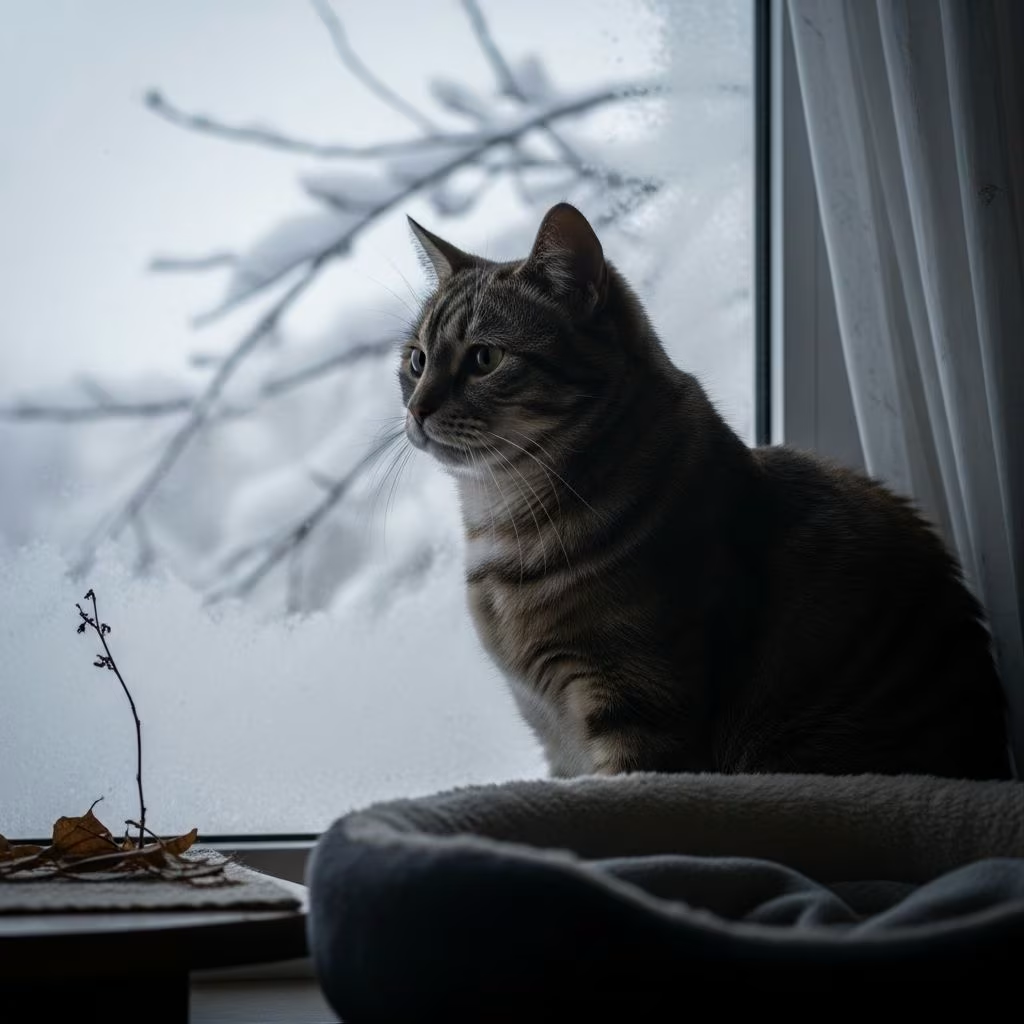
Seasonal affective disorder (SAD), commonly known as seasonal depression, affects many humans during darker winter months due to reduced sunlight exposure. But can cats experience something similar? While not officially diagnosed in felines like in people, veterinarians observe behavioral changes in cats during winter that mirror SAD symptoms, such as lethargy, appetite shifts, and withdrawal. These changes often stem from shorter days, less outdoor access, and disrupted routines, impacting serotonin levels and overall mood.
Understanding **seasonal affective disorder in cats** is crucial for pet parents. Indoor cats may face amplified effects from sedentary lifestyles and cabin fever, while outdoor cats deal with harsh weather limiting hunting and exploration. Early recognition allows for simple interventions like increased play and light exposure to restore your cat’s vibrancy.
What Is Seasonal Affective Disorder (SAD)?
SAD is a mood disorder triggered by seasonal changes, primarily winter’s diminished sunlight, which disrupts melatonin and serotonin production—key hormones for sleep and mood regulation. In humans, symptoms include fatigue, overeating, and irritability, treatable via light therapy and exercise.
In cats, the concept is emerging but not formally classified in veterinary medicine. Cats lack the complex human psychology, yet physiological responses to light cycles affect their circadian rhythms. Reduced daylight shortens active periods, leading to behaviors resembling depression: excessive sleeping, disinterest in toys, and vocalization changes. Studies on pets show parallels, with cats showing 20-30% more lethargy in winter months.
Wild cats adapt by eating more and resting during scarce winters, but domestic cats risk obesity without natural checks. Human routines shifting—less interaction, darker homes—exacerbate this, creating a feedback loop of inactivity.
Symptoms of Seasonal Affective Disorder in Cats
Spotting **SAD symptoms in cats** early prevents escalation into chronic issues like weight gain or anxiety. Cats can’t verbalize distress, so watch for these key signs, especially post-fall:
- Increased sleeping: Cats normally sleep 12-16 hours daily, but SAD may push it to 18-20 hours, with reluctance to wake for meals or play.
- Lethargy and low energy: Reduced interest in chasing toys, jumping, or exploring; they may stare blankly or hide.
- Appetite changes: Overeating leading to weight gain or sudden loss of interest in food.
- Altered sociability: Withdrawing from family, less purring or rubbing, or excessive clinginess.
- Grooming decline: Matted fur from neglect, signaling low mood.
- Litter box issues: More frequent visits without output or accidents outside the box due to stress.
- Increased vocalization: Excessive meowing, yowling, or agitation, unlike normal patterns.
- Aggression or destructiveness: Rare but possible from pent-up frustration indoors.
These symptoms often coincide with daylight savings or first snows. Track changes over 2-4 weeks; if persistent, rule out medical issues like thyroid problems or pain via vet exam.
Causes of Seasonal Depression in Cats
Several factors contribute to **winter depression in cats**:
- Reduced sunlight: Less light disrupts circadian rhythms, lowering serotonin similar to humans.
- Limited outdoor access: Cold, wet weather confines cats indoors, curbing natural hunting and climbing.
- Human routine changes: Owners home more but busier with holidays, reducing playtime; guests disrupt territory.
- Less prey/stimulation: Scarcer rodents mean fewer hunting opportunities, even for indoor cats via windows.
- Physical discomfort: Arthritis worsens in cold; paw pads crack from salt/ice.
- Overfeeding risk: Comfort eating in response to boredom, unlike wild cats that maintain weight.
Multi-cat homes amplify stress from competition over cozy spots. Breeds like Siamese may vocalize more due to sensitive temperaments.
How to Help Cats with Seasonal Affective Disorder
Treatment focuses on lifestyle tweaks, avoiding human meds toxic to cats (e.g., no antidepressants). Consult vets before supplements.
Light Therapy for Cats
Full-spectrum lights or sun lamps mimic daylight, boosting mood. Place near play areas for 20-30 minutes daily; cats often bask naturally. Human SAD lamps are safe if pet-specific (10,000 lux, UV-free).
Maintain Routines
Consistency combats chaos: fixed mealtimes, play sessions. Wake cats gently for interaction.
Boost Physical Activity
Interactive toys like feather wands, laser pointers, or puzzle feeders encourage 15-30 minutes daily exercise. Vertical spaces (cat trees) provide indoor climbing.
Mental Stimulation
Rotate toys, hide treats, use food-dispensing balls. Window perches for bird-watching simulate hunting.
Nutrition and Supplements
Measure food to prevent obesity; vet-approved omega-3s support brain health, probiotics aid gut-mood axis.
Cozy Environments
Provide heated beds, blankets; groom outdoor cats’ paws weekly.
Stress Reducers
Feliway diffusers release calming pheromones; prescription anxiety diets if needed.
For severe cases, vets may suggest behaviorists or rule out underlying conditions.
Prevention Tips for Seasonal Blues in Cats
Proactive steps keep cats resilient:
- Gradually acclimate to winter by enriching indoors pre-fall.
- Schedule daily sunlight/play regardless of weather.
- Monitor weight monthly; adjust kibble portions.
- Groom regularly for comfort.
- Multi-cat homes: extra resources to avoid tension.
Interestingly, cat ownership benefits humans with SAD—owners report 60% fewer headaches and better immunity, creating mutual mood boosts.
When to See a Vet for Cat SAD
If symptoms last >2 weeks, include vomiting, aggression, or drastic weight loss, seek professional help. Vets differentiate SAD from hyperthyroidism, kidney disease, or dental pain via bloodwork/exams. Early intervention prevents chronic issues.
Frequently Asked Questions (FAQs)
Can cats really get seasonal affective disorder?
Not formally diagnosed, but cats show SAD-like symptoms from winter changes, confirmed by vet observations.
How do I know if my cat has winter depression?
Look for prolonged sleeping, appetite shifts, withdrawal; track against normal behavior.
Is light therapy safe for cats?
Yes, full-spectrum lights help; avoid direct eye exposure and overheating.
What supplements help cat SAD?
Omega-3s and probiotics with vet approval; never human vitamins.
Do outdoor cats get seasonal depression?
Less likely due to adaptation, but weather limits activity, risking paw injuries.
Conclusion
Seasonal affective disorder in cats is manageable with awareness and action. By maximizing light, routines, and fun, your cat can enjoy winter as much as summer. Bond more—your affection is the best medicine.
References
- Cats may be a cure for seasonal affective disorder — DVM360. 2023-01-15. https://www.dvm360.com/view/cats-may-be-cure-seasonal-affective-disorder
- Do cats suffer from seasonal depression? — Joii Pet Care. 2024-10-01. https://www.joiipetcare.com/blogs/advice/do-cats-suffer-from-seasonal-depression
- How to Recognize and Manage Seasonal Depression in Pets — SBAH Vet. 2024-11-20. https://www.sbahvet.com/blog/how-to-recognize-and-manage-seasonal-depression-in-pets/
- Can Dogs and Cats Get Seasonal Depression? — Chewy. 2024-09-15. https://www.chewy.com/education/cat/health-and-wellness/winter-is-coming-what-you-need-to-know-about-seasonal-depression-in-pets
- Does Seasonal Affective Disorder Affect Pets? — PetMD. 2024-12-05. https://www.petmd.com/dog/general-health/does-sad-affect-pets
- Is Your Cat Sad? Signs & Causes of Cat Depression — Eastgate Animal Hospital. 2023-11-15. https://www.eastgateanimalhospital.com/site/blog/2023/11/15/cat-sad-depression
- Do Cats Get Seasonal Depression? — Blue Cross. 2024-01-10. https://www.bluecross.org.uk/advice/cat/wellbeing-and-care/do-cats-get-seasonal-depression



