

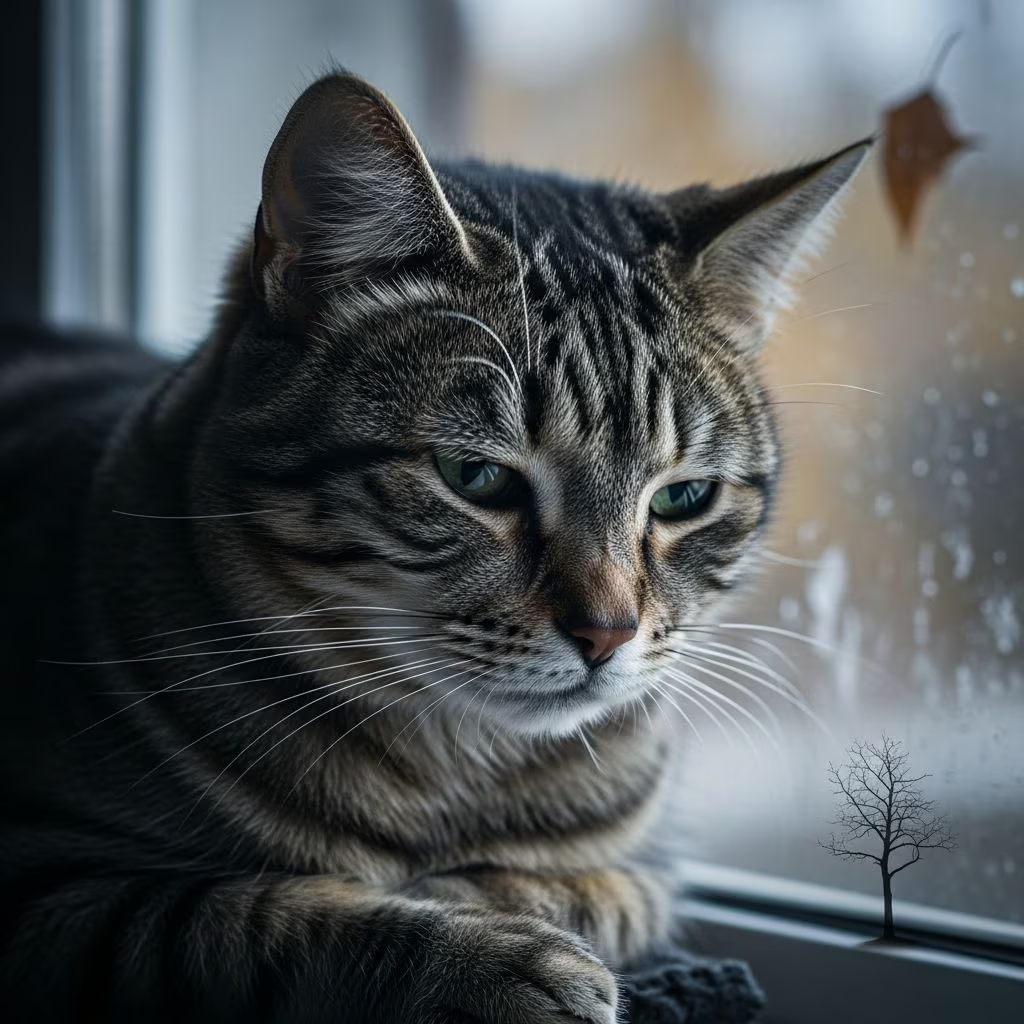
Seasonal Affective Disorder (SAD), commonly known as seasonal depression, affects many humans during darker winter months due to reduced sunlight exposure. But can cats experience something similar? While not officially diagnosed in felines like in humans, cats can show depression-like symptoms during winter, linked to shorter days, less light, and routine disruptions. Veterinary experts note behavioral shifts resembling SAD, including lethargy and appetite changes, often tied to decreased serotonin from low sunlight. This comprehensive guide covers symptoms, causes, prevention strategies, and when to seek vet help to ensure your cat thrives year-round.
What Is Seasonal Affective Disorder (SAD)?
SAD in humans stems from reduced sunlight in fall and winter, disrupting circadian rhythms and lowering serotonin—a mood-regulating hormone—while elevating melatonin, which promotes sleep. Symptoms include fatigue, overeating, and low energy. In cats, a parallel isn’t formally recognized in veterinary literature, but anecdotal and observational evidence suggests similar responses. Cats may exhibit mood dips from less daylight, altered human routines, and limited outdoor access, mimicking human SAD patterns. Unlike humans, cats’ wild counterparts eat more in winter without obesity, but indoor cats face risks from inactivity.
Do Cats Get Seasonal Affective Disorder?
Veterinarians observe that cats can display seasonal depression signs, though research is limited compared to humans. Changes coincide with winter: shorter days reduce natural light, impacting serotonin levels similarly in mammals. Indoor cats suffer more from sedentary lifestyles, overeating, and disrupted play due to owners staying indoors. Studies on humans show cat ownership mitigates SAD symptoms—owners report 60% fewer headaches and 21% less illness—suggesting bidirectional benefits where happy cats help owners, and vice versa. Wild cats adapt without weight gain, but domestic ones don’t, highlighting environmental factors. PetMD lists SAD-like symptoms in pets, including low energy and withdrawal during darker months. While not a DSM diagnosis for cats, these patterns warrant attention.
Symptoms of Seasonal Depression in Cats
Recognizing SAD-like symptoms early is key. Cats can’t verbalize feelings, so watch for these common winter behavioral changes:
- Lethargy and low energy: Less interest in play, hiding, or withdrawing from family.
- Changes in appetite: Eating more (leading to weight gain) or less.
- Increased sleeping: Excessive napping beyond normal 12-16 hours daily.
- Grooming alterations: Overgrooming or neglecting hygiene.
- Social withdrawal: Avoiding interaction, less affection-seeking.
- Vocalizing more: Excessive meowing or agitation.
- Litter box issues: Frequent visits without output, signaling stress.
- Clinginess or aggression: Heightened attachment or destructive behavior from boredom.
These mimic human SAD but can overlap with medical issues like thyroid problems or pain. Track changes over 2+ weeks; sudden shifts need vet evaluation.
Causes of Seasonal Depression in Cats
Several winter factors contribute to cat SAD-like symptoms:
- Reduced sunlight: Less light disrupts melatonin-serotonin balance, causing lethargy.
- Routine disruptions: Owners’ altered schedules mean less play and interaction.
- Limited outdoor access: Cold weather confines indoor-outdoor cats, reducing hunting stimulation.
- Human stress: Owners with SAD may interact less, affecting sensitive cats.
- Less prey availability: Fewer hunting opportunities lead to boredom.
- Indoor overcrowding: Visitors or family home more disrupt territory.
Indoor cats face amplified effects from sedentary life, risking obesity and further health issues.
How to Help Cats with Seasonal Affective Disorder
Management focuses on lifestyle tweaks mimicking natural light and activity. Consult a vet first to rule out medical causes.
Increase Light Exposure
Open curtains for sunlight; place beds by windows. Light therapy boxes for humans may help cats safely—position near but not directly on them. Full-spectrum bulbs simulate daylight.
Maintain Routines
Stick to feeding, play, and sleep schedules. Consistency combats seasonal chaos.
Boost Exercise and Play
Interactive toys, feather wands, laser pointers daily. Puzzle feeders engage hunting instincts. Indoor agility courses or window perches encourage movement.
Enhance Environment
Provide scratching posts, cat trees, quiet retreats. Rotate toys for novelty.
Nutritional Support
Avoid overfeeding; use vet-approved supplements like omega-3 fish oil for mood/cognition and probiotics for gut-brain health.
Spend Quality Time
Extra cuddles, grooming, play reduce isolation. Cat ownership benefits human SAD too.
Alternative Therapies
Calming pheromones (diffusers), cat-safe supplements, or prescription diets for anxiety. Acupuncture/massage as vet-recommended complements. Avoid human meds.
| Strategy | For Humans | For Cats |
|---|---|---|
| Light Therapy | Special lamps | Window access, full-spectrum bulbs |
| Exercise | Outdoor walks | Indoor play sessions |
| Routine | Consistent schedule | Fixed feeding/play times |
| Supplements | Vitamins | Omega-3, probiotics (vet-approved) |
When to See a Vet for Cat SAD
If symptoms persist >2 weeks despite changes, or include weight loss, vomiting, aggression, or litter avoidance, seek veterinary care. Rule out hyperthyroidism, kidney disease, or pain. Vets may suggest bloodwork, anxiety meds, or behaviorists. Early intervention prevents chronic issues.
FAQs
Can cats really get seasonal depression?
Yes, cats show SAD-like symptoms from winter light reduction and routine changes, though not formally diagnosed.
What are the first signs of SAD in cats?
Lethargy, appetite shifts, excessive sleep, withdrawal.
Is light therapy safe for cats?
Yes, indirect exposure to therapy lights or sunlight helps without harm; avoid direct beams.
How much play does my cat need in winter?
At least 15-30 minutes daily of interactive sessions to mimic hunting.
Can diet help cat depression?
Vet-recommended omega-3s and probiotics support mood; prevent overfeeding.
Do all cats get winter blues?
No, indoor cats and those with routine disruptions are most prone.
References
- Cats may be a cure for seasonal affective disorder — DVM360. 2023-01-01. https://www.dvm360.com/view/cats-may-be-cure-seasonal-affective-disorder
- Do cats suffer from seasonal depression? — Joii Pet Care. 2024-10-15. https://www.joiipetcare.com/blogs/advice/do-cats-suffer-from-seasonal-depression
- How to Recognize and Manage Seasonal Depression in Pets — SBAH Vet. 2023-11-01. https://www.sbahvet.com/blog/how-to-recognize-and-manage-seasonal-depression-in-pets/
- Can Dogs and Cats Get Seasonal Depression? — Chewy Education. 2023-11-15. https://www.chewy.com/education/cat/health-and-wellness/winter-is-coming-what-you-need-to-know-about-seasonal-depression-in-pets
- Does Seasonal Affective Disorder Affect Pets? — PetMD. 2024-09-20. https://www.petmd.com/dog/general-health/does-sad-affect-pets
- Is Your Cat Sad? Signs & Causes of Cat Depression — Eastgate Animal Hospital. 2023-11-15. https://www.eastgateanimalhospital.com/site/blog/2023/11/15/cat-sad-depression
- Do Cats Get Seasonal Depression? Signs, Symptoms & Treatment — Litter-Robot. 2024-01-10. https://www.litter-robot.com/blog/do-cats-have-seasonal-depression/



