

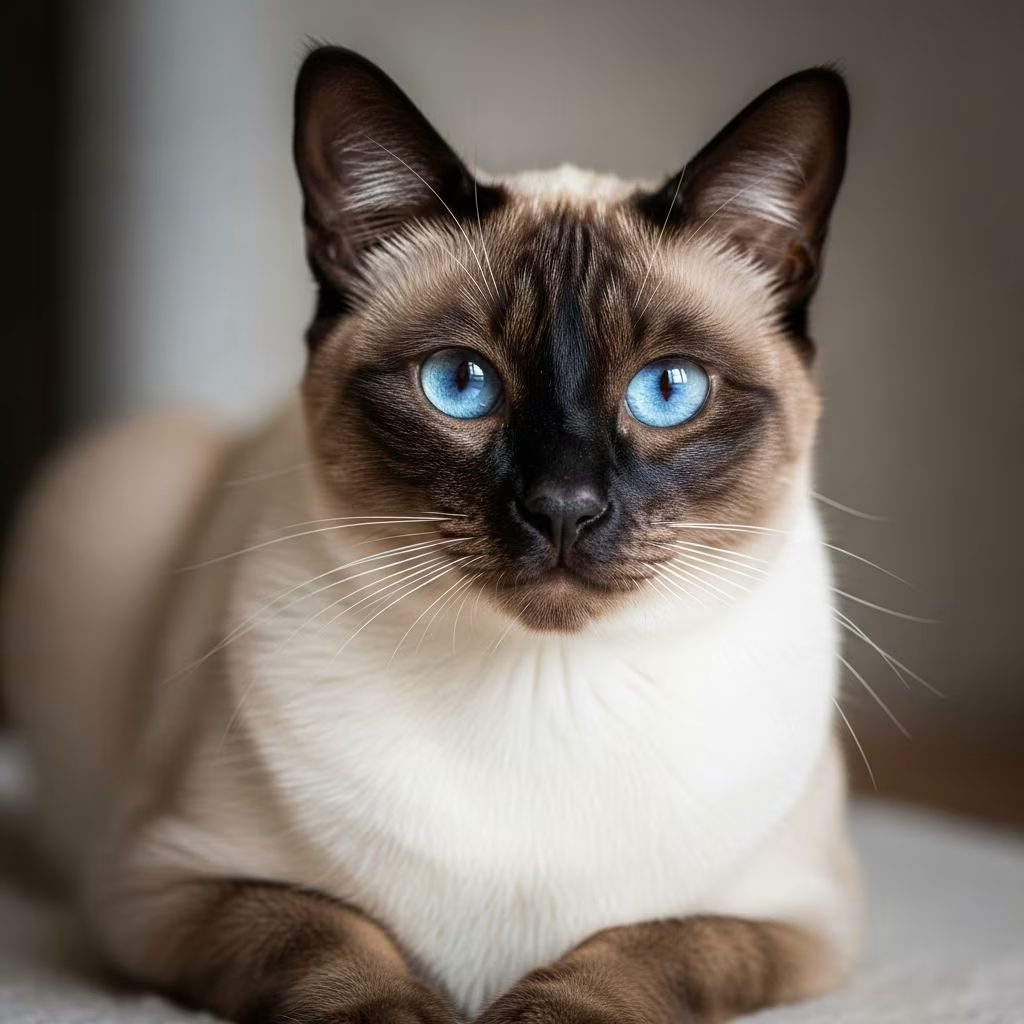
Seal Point Siamese cats stand out as one of the most iconic and beloved breeds, renowned for their creamy bodies contrasted by deep seal-brown points on the ears, face, paws, and tail. These elegant creatures combine striking physical beauty with a bold, interactive personality that makes them unforgettable companions.
Origins and Historical Significance
The Siamese breed, including the Seal Point variety, traces its roots to ancient Thailand, where these cats were revered in royal temples and palaces. Known historically as Siam cats, they were considered symbols of good fortune and were often gifted to dignitaries. The Seal Point pattern emerged as the original and most traditional coloration, featuring a pale body with dark brown extremities that intensify with age.
Introduced to the West in the late 19th century, Siamese cats quickly captivated enthusiasts with their exotic looks and vocal nature. By the early 20th century, breeding programs refined their traits, emphasizing the long, slender body and vivid blue eyes that define the breed today. The Seal Point remains the benchmark for authenticity in cat shows, though modern preferences sometimes favor paler bodies in younger specimens.
Distinctive Physical Features
Seal Point Siamese possess a medium-sized, muscular yet graceful build, typically weighing 8-12 pounds for males and 5-8 pounds for females. Their bodies measure about 12-14 inches in length, supported by long, slender legs that give them an athletic appearance. The head forms a long triangle with a straight profile, fine muzzle, and strong chin, while large, pointed ears continue the wedge shape.
Their short, glossy coat lies close to the body, requiring minimal grooming. Kittens are born white or cream, with points developing over weeks—seal brown on the mask (face surrounding the eyes and whiskers), ears, paws, tail, nose leather, and paw pads. The body starts as pale fawn or cream but may darken to caramel or beige on the back as the cat ages, especially after two years.
- Body Color: Pale cream to fawn, potentially darkening with maturity.
- Point Color: Deep seal-brown, almost black, consistent across extremities.
- Eyes: Striking crystal-blue, almond-shaped, slanting toward the nose.
- Tail: Long, tapering, free of kinks.
- Paw Pads: Dark brown, matching the points.
To distinguish from similar varieties like Chocolate Point, note the colder tone and darker paw pads of Seal Points versus warmer, pinkish undertones in others.
Temperament and Behavioral Traits
Seal Point Siamese are extroverted, affectionate, and highly social, often described as the “aristocrats” of the feline world due to their dignified demeanor. They crave human interaction, following family members room-to-room and engaging in lengthy “conversations” via their distinctive, raspy meows. Independent yet possessive, they may vocalize or “tackle” ankles to express displeasure or demand attention.
These cats thrive in active households, loving playtime with toys, jumping to high perches, and lap cuddles. They bond deeply with owners but can become pouty or sad when left alone, making them ideal for homes with multiple pets or stay-at-home companions. Their melodramatic flair adds entertainment, as they demand to be the center of attention.
| Trait | Description |
|---|---|
| Affection Level | High; loves laps and family bonding. |
| Vocalness | Very loud and talkative. |
| Playfulness | Energetic jumper and toy enthusiast. |
| Independence | Balanced; haughty but devoted. |
| Suitability with Kids/Dogs | Excellent if socialized early. |
Health and Wellness Considerations
Siamese cats, including Seal Points, enjoy long lifespans of 11-20 years, averaging around 15. Their slim build makes them prone to rapid weight gain, leading to a pot-bellied appearance even after one overeating episode. Careful portion control and activity are essential.
Common health issues include:
- Hereditary amyloidosis (protein buildup in organs).
- Dental problems due to their straight profile.
- Respiratory sensitivities from narrow nasal passages.
- Progressive retinal atrophy (PRA) affecting vision.
- Hyperesthesia syndrome (skin twitching).
Regular veterinary check-ups, dental cleanings, and a high-quality diet support vitality. Provide cat trees for exercise and monitor for obesity.
Grooming and Daily Care Routines
The low-maintenance coat needs weekly brushing to distribute oils and foster bonding—Seal Points often view grooming as affection. Bathe rarely, as they self-clean effectively. Trim nails bi-weekly, clean ears monthly, and brush teeth daily with pet-safe products to prevent tartar buildup.
Environmental enrichment includes scratching posts, interactive toys, and elevated spaces. Litter training is straightforward due to their intelligence. Fresh water, balanced nutrition (avoid free-feeding), and a quiet retreat space enhance well-being.
Nutrition Guidelines for Optimal Health
Feed a protein-rich diet tailored to age, activity, and weight. Kittens need frequent meals for growth; adults twice daily. Measured portions prevent obesity—aim for 200-300 calories daily, adjusted per individual.
- Kitten (up to 1 year): High-protein wet food, 3-4 meals/day.
- Adult: Mix of dry/wet food, lean proteins.
- Senior: Joint-support formulas, lower calories.
Avoid human foods like dairy, which many Siamese are lactose-intolerant to. Always provide access to fresh water.
Bringing a Seal Point Siamese Home
Adopt from reputable breeders or shelters emphasizing health testing. Kittens develop points by 6-8 weeks; choose socialized ones. Prepare with essentials: litter box, food bowls, toys, carrier, and ID tags. Introduce gradually to multi-pet homes.
Cost: $400-$1,200 from breeders; lower from rescues. Annual expenses: $500-$1,000 for food, vet care, etc.
Training and Socialization Tips
Siamese intelligence shines in training—teach tricks like sit, fetch, or leash walking using positive reinforcement. Early socialization prevents shyness or excessive vocalizing. Clicker training works wonders for their eager-to-please nature.
Common Myths Debunked
- Myth: All Siamese are cross-eyed. Fact: Modern standards prefer straight eyes; crossing was bred out.
- Myth: They’re aloof. Fact: Highly people-oriented, not independent loners.
- Myth: Points don’t change. Fact: Body darkens over time in Seal Points.
Frequently Asked Questions (FAQs)
Are Seal Point Siamese good with children?
Yes, their playful energy suits kids, but supervise young children to avoid tail-pulling.
How do I differentiate Seal Point from other Siamese colors?
Look for cold-toned, dark brown points and nearly black paw pads; body is cream paling to fawn.
Do they shed a lot?
No, their short coat sheds minimally year-round.
Can they live outdoors?
Not recommended; they prefer indoor life for safety and stimulation.
What’s their average lifespan?
15 years, up to 20 with proper care.
Why Choose a Seal Point Siamese?
These cats offer endless entertainment, loyalty, and beauty. Their vocal elegance and blue-eyed gaze make every day an adventure. With dedication to their needs, they’ll reward you with decades of companionship.
References
- Siamese Cat Facts — ASPCA Pet Health Insurance. 2023. https://www.aspcapetinsurance.com/resources/siamese-cat-facts/
- Seal Point Siamese Cats — Life with Siamese Cats. 2022. https://www.life-with-siamese-cats.com/seal-point-siamese-cats.html
- Siamese Breed Profile — Governing Council of the Cat Fancy. 2024. https://www.gccfcats.org/getting-a-cat/choosing/cat-breeds/siamese/
- Siamese Cat Breed — Hill’s Pet Nutrition. 2023. https://www.hillspet.com/cat-care/cat-breeds/siamese
- Siamese Cat Breed Facts — Chewy. 2024. https://www.chewy.com/education/cat/general/siamese-cat-breed-facts-temperament-care-info



