

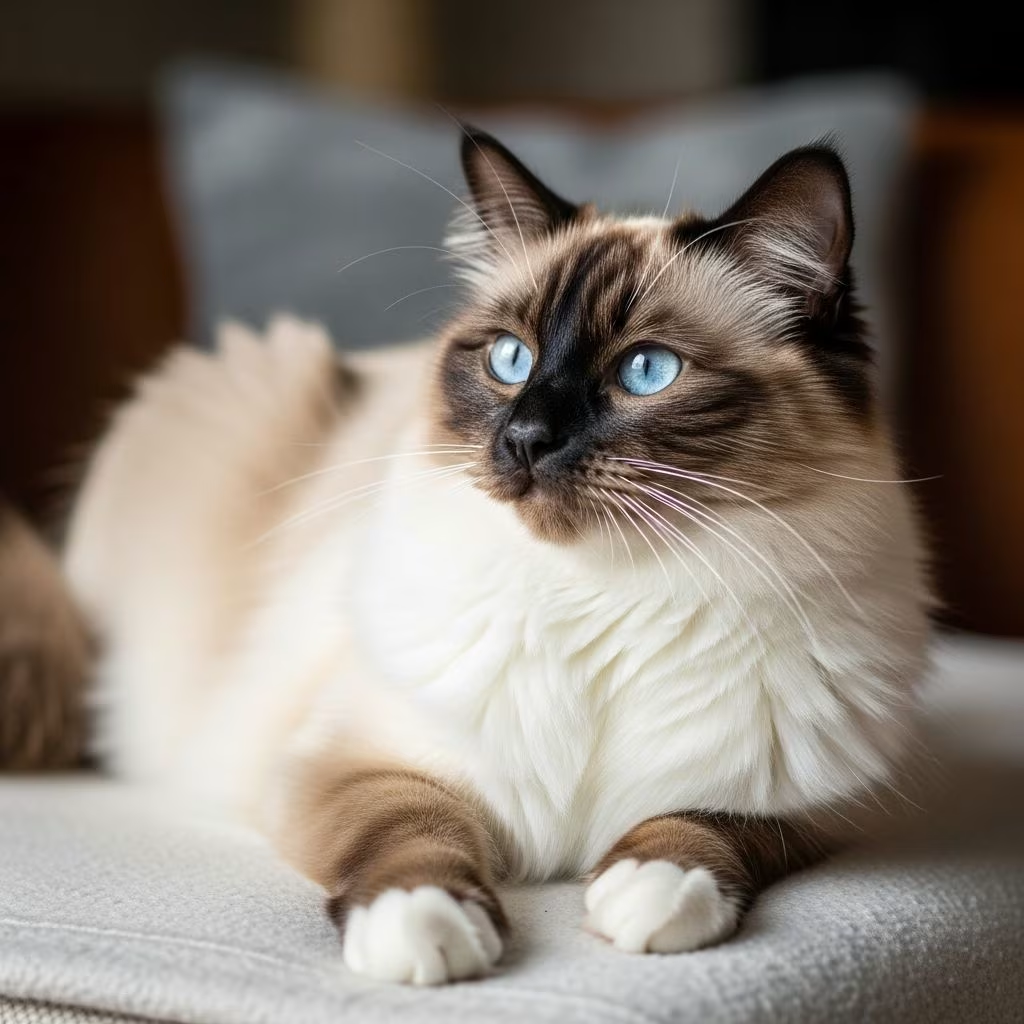
The Seal Point Ragdoll stands out as one of the most captivating variations of the Ragdoll breed, known for its dramatic contrast between a pale body and deep, rich points on the extremities. This color pattern, combined with vivid blue eyes and a plush semi-long coat, makes it a favorite among cat enthusiasts. Originating from the pointed coat genetics similar to Siamese cats, the Seal Point features dark brown—often seal brown—coloring on the ears, face, paws, and tail, set against a cream or fawn body that lightens toward the chest and belly.
Origins and Development of the Seal Point Coloration
The Ragdoll breed emerged in the 1960s in California, bred by Ann Baker from a white longhaired cat named Josephine. The pointed coloration, including Seal Point, stems from a temperature-sensitive gene that produces pigment primarily in cooler body areas like the nose, ears, paws, and tail. Kittens are born nearly white, with points developing over months and fully maturing around three years old as body temperature stabilizes. This gradual darkening enhances the breed’s allure, with points deepening to a near-black shade in some adults.
Recognized by major cat registries like The Cat Fanciers’ Association (CFA) and The International Cat Association (TICA), Seal Points conform to breed standards specifying even pale fawn to cream body tones shading lighter on the underside, with deep seal brown points. Their slow maturation—up to four years for full size and weight—sets them apart from faster-developing breeds.
Distinctive Physical Features
Seal Point Ragdolls are large, muscular cats with substantial bone structure and a rectangular body profile. Males typically weigh 12-20 pounds and stand 10-13 inches tall at the shoulder, while females range from 8-15 pounds. Their broad heads, medium ears, and substantial paws contribute to a powerful yet elegant appearance.
The coat is semi-long, silky, and low-shedding, requiring minimal grooming. Eye color is a hallmark: striking blue, ranging from sky to sapphire hues, always present in traditional Ragdolls. Paw pads match the points in seal brown, though variations like mitted or bicolor patterns introduce pink or mottled pads.
Color Patterns in Seal Points
Seal coloring appears in multiple patterns, adding variety:
- Colorpoint: Full points with no white, sharp body-point contrast.
- Mitted: White paws, chin, and often a facial blaze.
- Bicolor: White legs, belly, and inverted V mask.
- Van: Mostly white with seal on ears and tail only.
- Lynx: Tabby stripes over seal points.
- Tortie: Seal mixed with red/cream patches.
These patterns maintain the core seal brown points while offering visual diversity.
Temperament and Behavior Traits
Renowned for their “ragdoll” effect—going limp when picked up—Seal Points embody a laid-back, affectionate demeanor. They form deep bonds, shadowing owners room-to-room and thriving as lap companions. Social butterflies, they harmonize with children, dogs, and other cats, making them ideal family pets.
Not hyperactive, they enjoy interactive play like fetch or leash walks, showcasing intelligence trainable via positive reinforcement. Vocal but not excessive, they chirp for meals or attention without yowling. Docile climbers, they prefer ground-level lounging over high perches.
| Gender | Average Weight | Temperament Notes |
|---|---|---|
| Male | 12-20 lbs | Larger build; neutering prevents spraying |
| Female | 8-15 lbs | Spaying avoids heat cycles |
No significant personality differences exist between genders; sterilization ensures balanced behavior.
Grooming and Health Maintenance
The plush coat benefits from weekly brushing to remove loose fur and distribute oils, preventing mats. Bathing is rare due to self-cleaning efficiency. Nail trims biweekly, ear checks monthly, and dental care daily keep them pristine.
Healthy overall, Ragdolls may face hypertrophic cardiomyopathy (HCM), so screen breeders via OFA or genetic tests. Obesity risks from sedentary lifestyles necessitate portion control and play. Lifespan averages 10-15 years with proper care.
Bringing Home a Seal Point Kitten
Kittens start white, points emerging by 8-10 weeks. Choose reputable breeders adhering to CFA/TICA standards, verifying health clearances. Early socialization fosters their sociable nature. Provide scratching posts, toys, and elevated beds to match their size.
Transition gradually: safe room setup with litter, food, water. Diet: high-protein kitten food transitioning to adult formulas by one year, supporting growth without excess calories.
Daily Life with a Seal Point Ragdoll
These cats adapt to apartments or homes, loving windows for bird-watching. Harness training enables safe outdoor time. Interactive toys like feather wands engage their playful side without overexertion.
Multi-pet households thrive; introduce slowly. Children learn gentleness from their tolerant nature. Seniors appreciate low-maintenance companionship.
Nutrition and Exercise Essentials
Feed premium wet/dry foods balancing protein, fats, and taurine. Divide into 2-3 meals to prevent begging. Fresh water always; fountains appeal. Exercise via play sessions mimics hunting, maintaining muscle tone despite floppy tendencies.
Common Questions About Seal Point Ragdolls
Do Seal Point Ragdolls shed a lot?
No, their coat sheds moderately; weekly brushing suffices.
Are they good with kids?
Yes, patient and gentle around children.
How big do they get?
Males up to 20 lbs, females 15 lbs; full size by 4 years.
What eye color do they have?
Always vivid blue.
Can they go outside?
Prefer indoors; leash walks recommended.
Do males and females differ in personality?
No, both affectionate; spay/neuter advised.
Why Choose a Seal Point Ragdoll?
Blending stunning aesthetics with dog-like devotion, Seal Points offer low-drama companionship. Their evolution from white kittens to richly patterned adults captivates owners lifelong. Committed care yields years of floppy hugs and serene presence.
References
- Seal Point Ragdolls: 7 Stunning Facts for the Ultimate Guide — Wise Acres Ragdolls. Accessed 2026. https://wiseacresragdolls.com/what-are-seal-point-ragdolls/
- Seal Point Ragdoll Cat Breed Info, Pictures, Temperament & Traits — Catster. Accessed 2026. https://www.catster.com/cat-breeds/seal-point-ragdoll/
- Seal Point Ragdoll Cats: Colors, Patterns & Care Guide — Rarity Ragdolls. Accessed 2026. https://rarityragdolls.com/ragdoll-colors/seal-point-ragdoll/
- Ragdoll Breed Standard — The Cat Fanciers’ Association. Accessed 2026. https://cfa.org/breed/ragdoll/
- Ragdoll Breed — The International Cat Association. Accessed 2026. https://tica.org/breed/ragdoll/



