

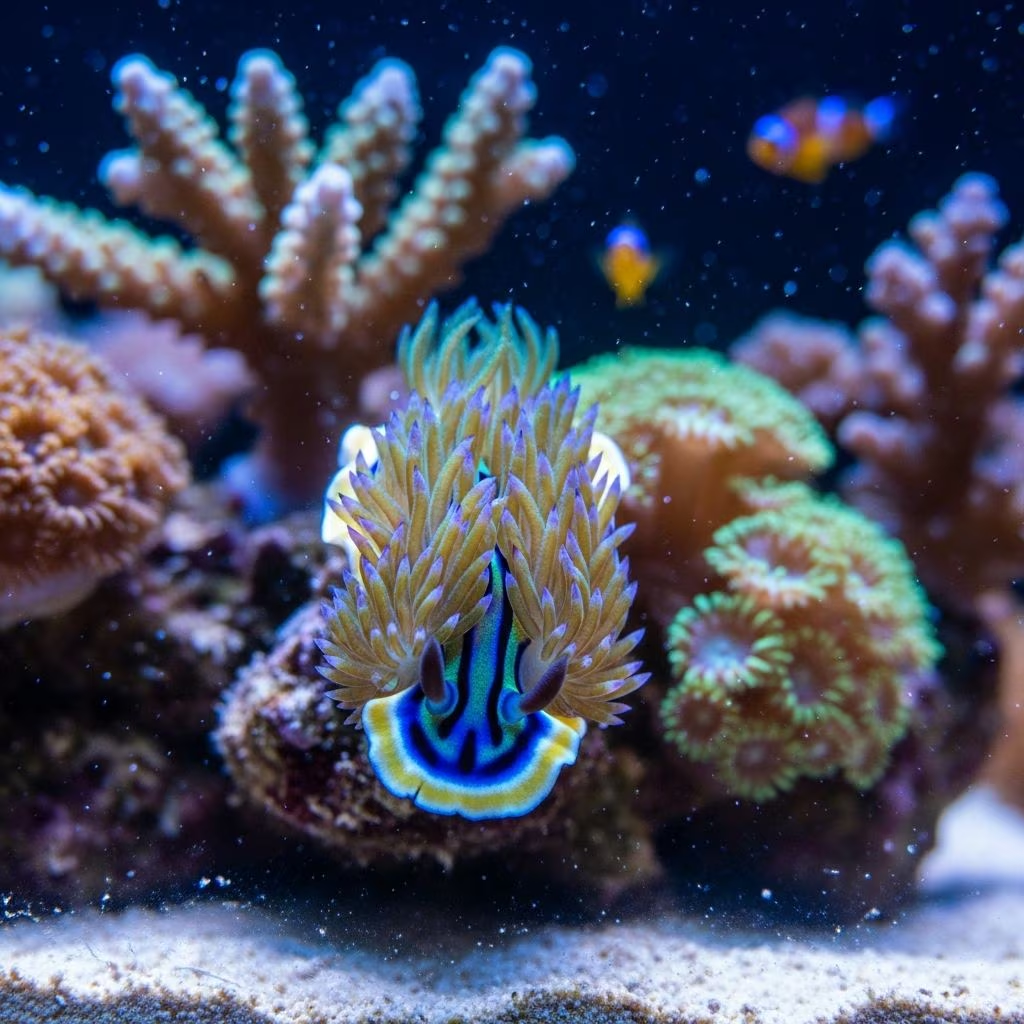
What Sea Slugs Are Right for Your Reef Tank
Sea slugs, scientifically known as nudibranchs, are among the most captivating and colorful creatures you can add to a reef aquarium. However, their stunning appearance often masks a challenging reality: most sea slug species are extremely difficult to maintain in captivity. Before you fall in love with these creatures, it’s essential to understand which species are actually suitable for reef tanks and what care they require to thrive. This comprehensive guide will help you navigate the world of sea slugs and make informed decisions about which species might work for your aquarium.
Understanding Sea Slugs and Nudibranchs
Sea slugs are soft-bodied marine mollusks that belong to a group commonly called nudibranchs. Unlike their land-dwelling cousins, these creatures lack a hard protective shell, leaving them exposed to their environment. Their delicate nature requires precise environmental conditions and specialized care that often exceeds what typical aquarists can provide.
The challenge with keeping sea slugs lies primarily in their feeding requirements. Most species are specialized feeders with extremely specific dietary needs. They may feed exclusively on particular species of algae, coral, or sponges that are rarely available in the aquarium trade. This specialization means that without their preferred food source, these beautiful creatures will inevitably starve to death, making them unsuitable for most home aquariums.
Why Most Sea Slugs Fail in Captivity
Before selecting a sea slug for your reef tank, you must understand the fundamental challenges that make these creatures problematic for most aquarists. The vast majority of sea slugs, despite their incredible beauty, are virtually impossible to care for in aquarium settings.
Specialized Food Requirements: Each sea slug species typically feeds on specific prey items. Whether it’s a particular type of algae, coral, or sponge, these creatures have evolved to feed on specific organisms. In the wild, they can search extensively for their preferred food, but in a confined aquarium environment, if that food source isn’t available, they will starve. This is perhaps the single greatest obstacle to keeping sea slugs successfully.
Extreme Sensitivity: Sea slugs are extraordinarily sensitive to environmental changes. They must be acclimated very slowly to new aquariums, and even minor fluctuations in water parameters can cause significant stress or death. Their delicate bodies and lack of protective shells mean they have little tolerance for poor water conditions.
Escape Prone Behavior: Sea slugs are notorious for attempting to escape from aquariums. They frequently gather at drain intakes and overflow pipes, where they can become trapped or damaged. This behavior requires careful tank design and constant monitoring.
Sea Hare Slugs: A Relatively Hardy Option
Among the various sea slug species, sea hares (genus Aplysia) represent one of the most viable options for experienced aquarists. These creatures are more robust than their nudibranch cousins and can actually thrive in captivity when proper conditions are maintained.
Sea Hare Characteristics and Behavior
Sea hares are larger than most nudibranchs, ranging from 3 to 14 inches in size. They are herbivorous creatures that feed on algae and seaweeds, making their dietary requirements somewhat more manageable than species with specialized prey items. These slugs are generally passive and most active during nighttime hours, spending their days grazing on available algae.
Tank Requirements for Sea Hares
Minimum Tank Size: Sea hares require substantial space to thrive. You need at least a 75-gallon aquarium to provide adequate room for these creatures to move about comfortably. A smaller tank will stress your sea hare and lead to poor health and potential mortality.
Water Parameters: Maintaining stable water conditions is absolutely critical for sea hare survival. The following parameters should be maintained consistently:
- Temperature: 72-78°F (22-25°C)
- Salinity: 1.023-1.025 ppt (specific gravity)
- pH Level: 8.1-8.4
- Carbonate Hardness (dKH): 8-12
Any significant deviation from these parameters will stress your sea hare. Fluctuations in salinity are particularly problematic, as these creatures are sensitive to osmotic changes. Regular water testing and maintenance are non-negotiable requirements for successful sea hare keeping.
Sea Hare Diet and Feeding
One significant advantage of sea hares is their herbivorous diet. They feed on macroalgae, particularly red algae species like Gracilaria, which are relatively easy to culture and readily available in the aquarium trade. This makes them more adaptable than species with highly specialized dietary requirements.
Sea hares use a specialized feeding structure called a radula to scrape food from surfaces. They have an interesting adaptation called a crop, which functions like a built-in pantry. This allows them to store food for later consumption, providing them with reserves during periods when algae availability may be lower.
To support your sea hare’s nutritional needs, ensure that abundant algae and seaweed are available in the tank. Consider supplementing their diet with vitamin-enriched foods and ensuring adequate calcium intake for shell support.
Common Health Issues and Prevention
Sea hares can experience several health problems that aquarists should monitor for and prevent:
Ink Defense and Infections: When stressed, sea hares release toxic purple ink as a defense mechanism. While this is an impressive evolutionary adaptation, the ink can cloud the water and promote bacterial growth. Prevent this by maintaining a stress-free environment with plenty of hiding spots and excellent water quality through consistent tank maintenance.
Skin Irritations: Poor water conditions can cause skin irritation and other dermatological issues. Maintain stable water parameters and perform regular water changes to prevent these problems. Think of water maintenance as a spa day for your aquarium.
Parasitic Infections: Sea hares can fall victim to parasites. Prevent parasitic issues by maintaining excellent tank hygiene and quarantining any new tank inhabitants before introducing them to your main display.
Nutritional Deficiencies: Without adequate algae in their diet, sea hares may develop nutritional deficiencies. Ensure they have plenty of algae available and consider vitamin-enriched supplements to maintain their digestive health.
Shell-Related Issues: While uncommon, shell problems can occur in sea hares. Provide a calcium-rich diet to support shell integrity and overall skeletal health.
Lettuce Slugs and Algae-Eating Nudibranchs
Lettuce slugs, commonly belonging to the genus Elysia, are another type of sea slug that some aquarists attempt to keep. These creatures have gained popularity due to the misconception that they can effectively control nuisance algae populations.
The Reality of Algae Control
While sea slugs are often marketed as biological control agents for nuisance algae, the reality is disappointing. Very few sea slug species have proven effective at controlling algae density in aquarium settings. Even species with specialized feeding habits, such as Elysia crispata feeding on Bryopsis or Elysia viridis feeding on Halimeda, rarely provide complete eradication of problem algae.
The fundamental issue is that unless you introduce sea slugs in extremely high densities, they have minimal impact on algae growth beyond slightly slowing its spread. Paradoxically, if you do introduce enough slugs to actually eliminate the problem algae, they will subsequently starve to death once their food source is depleted.
Specialist sea slugs like E. crispata can help slow the growth rate of specific algae, making them less likely to become problematic and more easily controlled through manual removal and other aquarium management techniques.
Specialized Feeding Requirements
Elysia and related lettuce slugs have extremely specific dietary requirements. Each species typically feeds on only one or two types of algae or plant matter. Without access to their specific food source, these slugs will starve regardless of how much other food is available in the tank. This fundamental limitation makes them unsuitable for most aquarium setups.
Species-Specific Considerations
Different sea slug species have vastly different requirements, and success or failure often depends on choosing the right species for your specific situation.
Phyllodesmium Species: These soft coral specialists feed on various coral species such as Sarcophyton, Briareum, and Xenia. While they are among the few nudibranch species that can thrive in reef aquaria, they obviously cannot be kept in tanks where you wish to maintain these coral species.
Aplysia (Sea Hares): These are among the most aquarium-suitable species, with relatively easy breeding and growth rates compared to nudibranchs. They respond well to macroalgae cultivation and their preferred food source, red algae Gracilaria, is readily available.
Elysia Crispata: This species is notable for having larvae that can survive in aquaria, unlike most sea slugs whose larvae are nearly impossible to keep alive. However, they still require their specific food source to survive.
Acclimation and Introduction to Your Tank
If you decide to add a sea slug to your reef tank, proper acclimation is absolutely essential. These creatures must be introduced to their new environment extremely slowly. Rapid parameter changes can kill them outright or cause severe stress that leads to starvation or other health issues.
Use a drip acclimation method, gradually introducing aquarium water to the container holding your sea slug over a period of several hours. This allows their bodies to adjust to the new salinity, pH, and temperature conditions gradually.
Important Safety Considerations
Sea slugs deserve respect both alive and dead. Many species produce chemical defenses that are effective at preventing predation. While these defenses typically don’t pose a risk to other tank inhabitants when the slug is alive, you should always handle dead sea slugs with gloves or tongs. Never touch a sea slug with bare hands, as their defensive chemicals can irritate your skin.
Frequently Asked Questions
Q: Can sea slugs control nuisance algae in my reef tank?
A: While some species may slow algae growth slightly, they rarely provide complete control. Most sea slugs are not effective biological control agents and may starve once their preferred algae is depleted.
Q: What is the easiest sea slug species to keep?
A: Sea hares (Aplysia species) are generally the most aquarium-suitable option due to their herbivorous diet on macroalgae that’s readily available, larger size, and relative hardiness compared to nudibranchs.
Q: How large of a tank do I need for a sea slug?
A: Sea hares require at least 75 gallons. Most other sea slug species need appropriately sized tanks based on their specific species requirements, but larger is always better for these sensitive creatures.
Q: Why do sea slugs starve in captivity?
A: Most sea slug species have highly specialized dietary requirements and feed exclusively on specific types of algae, coral, or sponges. If their preferred food source isn’t available in the tank, they will starve.
Q: Are sea slugs safe to keep with other reef inhabitants?
A: In general, sea slugs are safe for other tank mates. Their chemical defenses are primarily designed to prevent them from being eaten, not to harm other creatures. However, always research specific species compatibility.
Q: How should I acclimate a new sea slug to my tank?
A: Use a drip acclimation method over several hours, gradually introducing aquarium water to allow the slug to adjust slowly to new water parameters. Rapid acclimation can be fatal.
References
- Sea Hare Slug 101: Tank, Diet, Black & More Aplysia Species — Aquarium Source. 2024. https://www.aquariumsource.com/sea-hare-slug/
- Aquarium Invertebrates: Sea Slugs – Part 1 — Reefs.com Magazine. 2024. https://reefs.com/magazine/aquarium-invertebrates-sea-slugs-part-1/
- Sea Slugs: The Great Taboo — Practical Fishkeeping. 2024. https://www.practicalfishkeeping.co.uk/features/sea-slugs-the-great-taboo/
- Nudibranchs General — Aquarium of the Pacific Online Learning Center. 2024. https://www.aquariumofpacific.org/onlinelearningcenter/species/nudibranchs_general
- Nudibranch Care — Reef2Reef Forum. 2024. https://www.reef2reef.com/threads/nudibranch-care.812838/



