

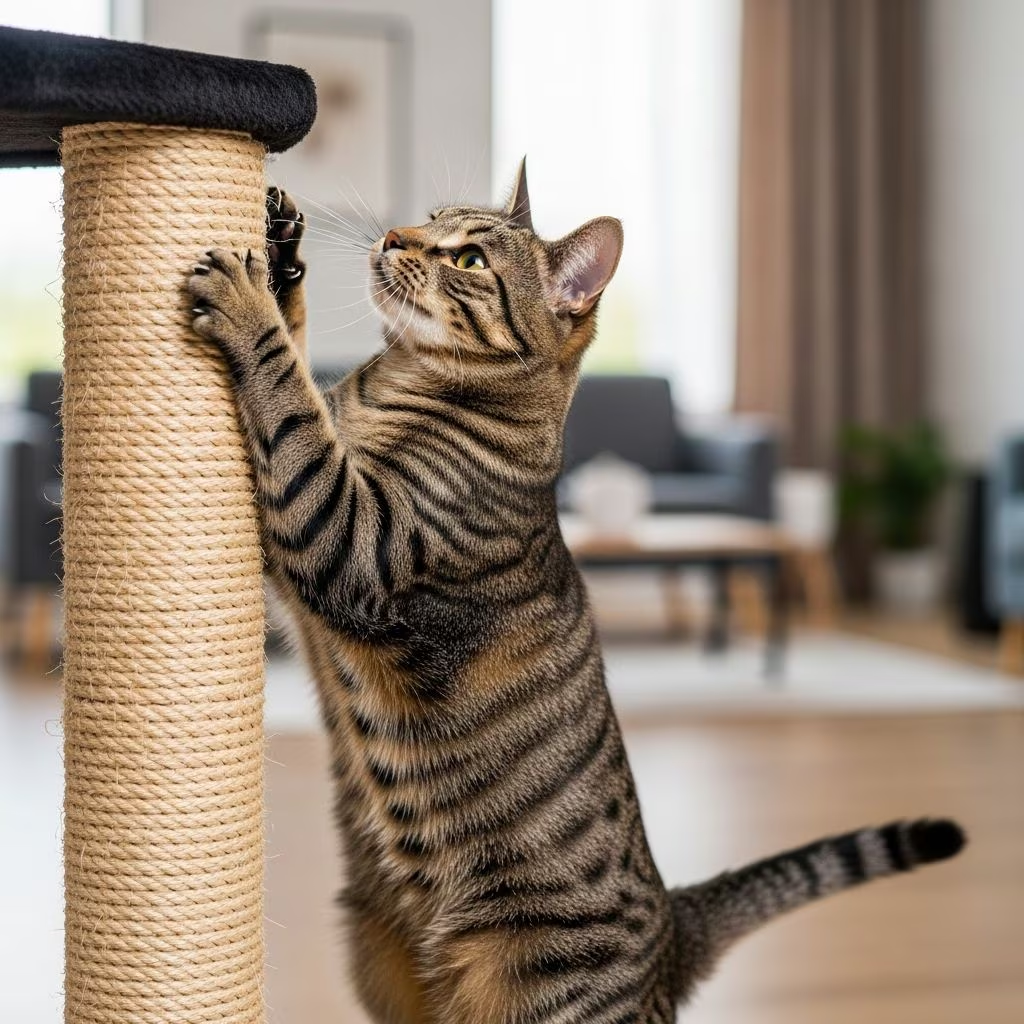
Cats scratch for essential reasons including claw maintenance, territory marking, stretching muscles, and emotional expression. This natural behavior can be redirected with appropriate posts, nail trimming, and environmental enrichment to prevent damage to household items.
Why Do Cats Scratch?
Scratching is a vital instinctual behavior in cats serving multiple physical and communicative purposes. Cats scratch to shed the outer sheath of their claws, keeping nails sharp and healthy, much like shedding skin. It also stretches their muscles in the shoulders, back, and legs, providing exercise and relief similar to a human stretch.
Additionally, scratching deposits scent from glands in the paws, marking territory and communicating presence to other cats. This visual and olfactory signal says “this is mine” and can express emotions like excitement, stress, or relaxation. Indoor cats may scratch more on furniture due to lack of natural outlets, leading to conflicts with owners.
- Claw maintenance: Removes dead outer layers, preventing overgrowth.
- Territory marking: Leaves scent and visible scratches.
- Physical exercise: Stretches and tones front-quarter muscles.
- Emotional regulation: Relieves stress, anxiety, or excess energy.
Understanding Inappropriate Scratching
Inappropriate scratching often targets furniture, carpets, or drapes because these mimic natural surfaces like trees. Changes in household dynamics, such as new pets, moves, or schedule shifts, can increase scratching as a stress response or marking behavior. Overstimulation during petting or play may cause cats to scratch hands or legs defensively.
Boredom and lack of stimulation exacerbate the issue, as pent-up energy leads to frustration scratching. Cats learn that scratching furniture elicits attention, even negative, reinforcing the behavior.
| Common Targets | Reasons | Solutions |
|---|---|---|
| Furniture | Territory marking, texture preference | Scratching posts nearby |
| Carpets/Drapes | Climbing/stretching instinct | Vertical posts, deterrents |
| Human skin | Overstimulation, play, defense | Redirect to toys, trim nails |
Providing Appropriate Scratching Options
Offer multiple scratching posts in preferred locations to satisfy needs. Choose posts at least 3 feet tall for full stretches, made of sisal, cardboard, or rough fabric—cats dislike carpet-covered ones.
- Place posts near problem areas initially.
- Provide variety: horizontal for carpets, vertical for sofas.
- Secure posts to prevent tipping.
- Refresh surfaces by rotating or adding new posts.
Encourage use by rubbing posts with catnip or hanging toys. Praise and reward scratching on posts to reinforce positive behavior.
Trimming Your Cat’s Nails
Regular nail trims reduce damage from unwanted scratching. Most cats tolerate trims if introduced gradually, trimming only clear tips to avoid the quick (pink area with nerves).
- Accustom cat to paw handling during calm times.
- Use cat-specific clippers; press toe pad to extend claw.
- Trim 1-2 mm beyond the quick every 10-14 days.
- Offer treats post-trim for positive association.
If uncomfortable, consult a vet or groomer. Soft claw caps are a non-permanent alternative.
Managing Play and Overstimulation
Scratching during play stems from excitement or redirected prey drive. Use interactive toys like wand toys to channel energy away from hands.
Watch for overstimulation signs: twitching tail, flattened ears, skin rippling. Stop petting head-to-tail; focus on cheeks or chin. Short, frequent play sessions daily prevent frustration buildup.
Environmental Enrichment
A stimulated cat scratches less destructively. Provide climbing trees, window perches, puzzle feeders, and daily play to meet physical and mental needs.
- Rotate toys to maintain novelty.
- Offer safe vertical spaces.
- Ensure litter box access and routine feeding.
For multi-cat homes, provide resources per cat to reduce conflict marking.
Deterrents for Unwanted Scratching
Use non-punitive deterrents: double-sided tape, plastic shields, or citrus sprays on furniture. Remote aversives like air sprays or alarms work if owner is absent, avoiding fear-based aggression.
Never use physical punishment, as it damages trust and suppresses behavior only when supervised.
When Scratching Indicates a Problem
Sudden increase or new locations signal anxiety, pain, or illness. Accompanying signs: appetite changes, hiding, aggression. Consult a vet to rule out medical issues; a behaviorist for persistent problems.
Frequently Asked Questions
Why does my cat scratch me when I pet them?
This is often overstimulation. Pet briefly on preferred areas; stop at agitation signs. Increase play to release energy.
Will declawing stop scratching?
Declawing is amputation, causing pain and behavioral issues. It’s banned in many areas; focus on humane alternatives.
How do I get my cat to use a scratching post?
Place it in high-traffic areas, rub with catnip, reward use. Trim nails to lessen appeal of furniture.
My cat ignores scratching posts. What now?
Try different materials/textures, heights. Ensure stability. Combine with enrichment and deterrents.
Is scratching furniture always misbehavior?
No, it’s natural. Redirect to appropriate outlets rather than punish.
References
- Why Cats Scratch People — Richmond SPCA. 2022. https://richmondspca.org/wp-content/uploads/2022/01/Why-Cats-Scratch-People.pdf
- Why Do Cats Scratch? — San Diego Humane Society. Accessed 2026. https://sdhumane.org/resources/why-do-cats-scratch/
- Cat Behavior Problems — Scratching Behavior — Humane Society of Missouri. Accessed 2026. https://hsmo.org/portfolio-item/cat-behavior-problems-scratching-behavior/
- Destructive Scratching — Louisiana SPCA. 2020. https://www.louisianaspca.org/wp-content/uploads/2020/09/Destructive-Scratching.pdf
- Cat Claw Clipping — San Francisco SPCA. Accessed 2026. https://www.sfspca.org/resource/claw-clipping/
- Cats and Inappropriate Scratching — Montgomery County Animal Services. Accessed 2026. https://www.montgomerycountymd.gov/animalservices/Resources/Files/Cats%20and%20Inappropriate%20Scratching%20PDF(1).pdf



