

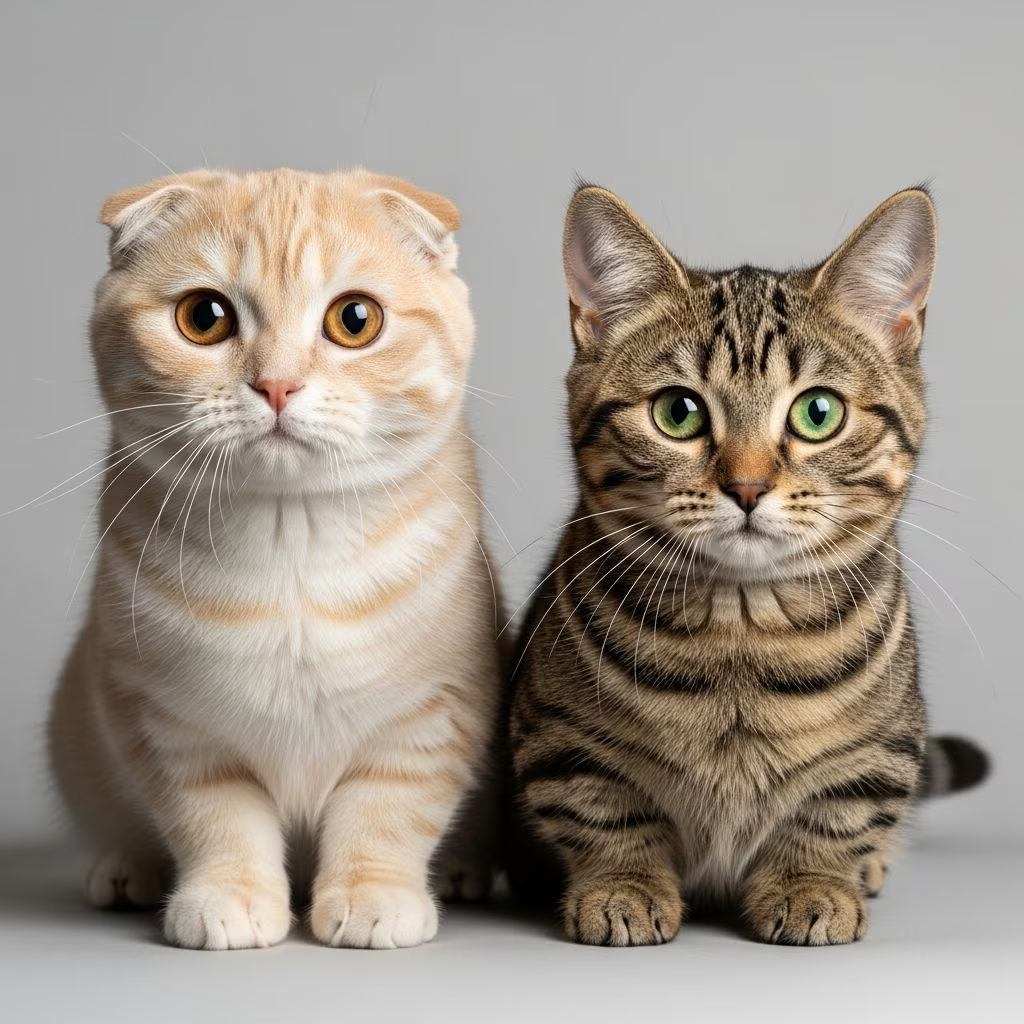
The Scottish Fold Munchkin cat combines the endearing folded ears of the Scottish Fold with the distinctive short legs of the Munchkin, creating a pint-sized feline with an owl-like charm and playful spirit. This hybrid breed captivates hearts with its compact stature and affectionate demeanor, though it demands dedicated care due to inherited health concerns.
Origins and Development of the Breed
Emerging from a deliberate cross between two beloved breeds, the Scottish Fold Munchkin traces its roots to the mid-20th century mutations that defined its parents. The Scottish Fold originated in Scotland in 1961 when a kitten named Susie was born with naturally folded ears due to a spontaneous genetic mutation in cartilage development. Meanwhile, the Munchkin appeared in the 1980s in the United States, stemming from a short-legged stray cat whose offspring carried the recessive gene for shortened limbs.
Breeders began hybridizing these traits in the late 20th century to produce cats with both features, aiming for an ultra-cute aesthetic. However, this mix amplifies genetic risks, leading some organizations like The International Cat Association (TICA) to recognize parent breeds separately but scrutinize hybrids for welfare issues. Today, these cats are bred primarily by enthusiasts, not mainstream registries, emphasizing health screening over show standards.
Distinctive Physical Traits
Standing at a mere **5 to 8 inches tall** at the shoulder and weighing **4 to 9 pounds**, Scottish Fold Munchkins boast a low-slung, muscular build that sets them apart from standard cats. Their hallmark is the tightly folded ears, which fold forward against the rounded head, giving an perpetual surprised, owl-like expression. Kittens are born with straight ears; the fold appears between 18 to 24 days in those inheriting the dominant Fold gene.
Coat varieties range from short to long, in numerous colors and patterns, from solids to tabbies. The short legs, courtesy of the Munchkin gene, create a dachshund-like silhouette, with slightly longer hind legs for agile movement. Males tend to be larger than females, but both share a sturdy, padded frame.
| Feature | Description |
|---|---|
| Height | 5–8 inches |
| Weight | 4–9 pounds |
| Ear Type | Folded (heterozygous) or straight |
| Leg Length | Shortened due to Munchkin gene |
| Coat | Short or long, many colors |
Personality and Behavior Profile
Scottish Fold Munchkins inherit sweetness from both parents, making them **affectionate, playful, and loyal companions**. They thrive on human interaction, often following owners room-to-room and curling up for long lap sessions. Intelligent and curious, they enjoy gentle play, learning tricks like fetch, and exploring without excessive energy.
- Social Butterflies: Bond deeply, especially with one family member, but adapt well to households.
- Playful Yet Calm: Engage in moderate activity; prefer lounging over high-energy antics.
- Family-Friendly: Gentle with children and other pets, rarely aggressive.
Stubborn streaks may surface, requiring patient training. They dislike solitude, potentially developing anxiety if left alone for extended periods.
Health Considerations and Genetic Risks
While adorable, this breed faces significant health hurdles from combining two problematic genes. The Scottish Fold’s dominant Fd gene causes defective cartilage, leading to **osteochondrodysplasia**—painful joint deformities, arthritis, and stiffness, worsening with age or homozygous inheritance (two Fold genes), which is ethically avoided. The Munchkin’s recessive Mk gene shortens long bones, risking **lordosis (swayback)**, **pectus excavatum (sunken chest)**, and intervertebral disc disease, impairing mobility and organ function.
Additional issues include:
- Ear infections from debris-trapping folds.
- Dental problems and respiratory challenges if brachycephalic traits appear.
- Musculoskeletal pain, potentially requiring pain management or surgery.
- Anesthetic risks due to skeletal anomalies.
Lifespan is uncertain but likely shortened; responsible breeding pairs Folds only with straight-eared mates to dilute risks. Regular vet checks, X-rays for early detection, and joint supplements are essential. The ASPCA notes Munchkin legs enable normal activity but stresses screening.
Care Essentials for Optimal Well-Being
Grooming is straightforward: weekly brushing prevents matting, especially for longhairs, with ear cleaning to avert infections. Provide low-sided litter boxes, ramps to high spots, and soft bedding to ease joint strain. A high-protein diet supports muscle maintenance without excess weight, which exacerbates skeletal issues.
Exercise suits their athleticism despite short legs—they jump capably using hind leg power. Interactive toys foster mental stimulation. Spay/neuter mitigates behavioral issues from maturity. Annual vet visits monitor for arthritis via mobility assessments.
Bringing Home a Scottish Fold Munchkin Kitten
Kittens demand two genes: one Fold for ears, one Munchkin for legs. Litters yield 50% folded-eared kits; straight-eared ones are healthier alternatives. Source from ethical breeders prioritizing health tests (genetic screening, OFA certifications for joints). Expect higher costs due to vet bills; avoid impulse buys from unverified sources.
Early socialization ensures confident adults. Males and females share temperaments, though unsterilized ones may roam or vocalize.
Ideal Homes and Lifestyle Fit
Best for committed owners in pet-friendly apartments—no vast spaces needed. They suit families, seniors, or singles offering lap time. Multi-pet homes work if introductions are gradual. Not ideal for frequent travelers or neglectful environments.
Frequently Asked Questions (FAQs)
Are Scottish Fold Munchkins good with kids?
Yes, their gentle nature makes them excellent with supervised children.
Do they have a long lifespan?
Lifespan varies; health issues may shorten it, but care extends quality years.
Can they jump high?
Short legs limit height but not agility; they navigate well.
Is breeding ethical?
Controversial; prioritize health-tested lines to minimize suffering.
How much exercise do they need?
Moderate daily play; they’re active but not hyper.
Pros and Cons Overview
| Pros | Cons |
|---|---|
| Irresistibly cute appearance | High risk of painful joint diseases |
| Super affectionate and loyal | Potential mobility limitations |
| Low-maintenance grooming | Vet costs for ongoing care |
| Adapts to small spaces | Not recognized by major clubs |
Scottish Fold Munchkins offer boundless joy for informed owners willing to invest in their welfare. Their blend of whimsy and warmth creates unforgettable bonds, tempered by vigilance against genetic pitfalls.
References
- Scottish Fold – TICA – The International Cat Association — The International Cat Association. 2023. https://tica.org/breed/scottish-fold/
- All About Munchkin Cats | ASPCA® Pet Health Insurance — ASPCA Pet Health Insurance. 2024. https://www.aspcapetinsurance.com/resources/munchkin-cat-breed/
- Scottish Fold Munchkin Mix Cat Breed: Info, Pictures, Temperament — Catster. 2023. https://www.catster.com/cat-breeds/scottish-fold-munchkin-cat/



