

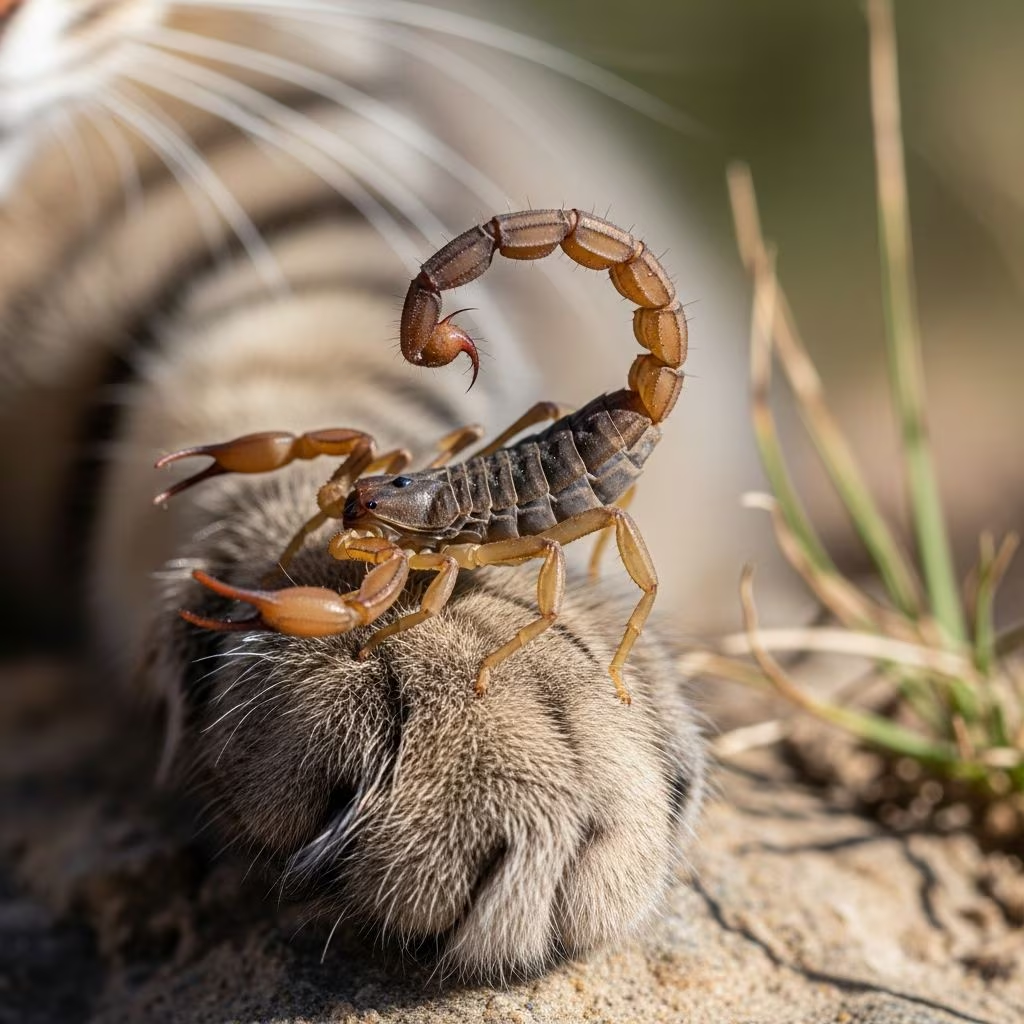
Scorpion stings pose a real threat to cats, especially in regions where these arachnids thrive, such as the southwestern United States. While most stings cause intense but manageable pain similar to a bee sting, certain species like the Arizona bark scorpion can trigger severe neurological effects. Understanding the risks, spotting early signs, and knowing how to respond can make all the difference in your cat’s recovery.
Understanding Scorpion Risks for Feline Friends
Scorpions are nocturnal predators that hide in cool, dark spots during the day, making accidental encounters with curious cats common. Cats’ agility and hunting instincts often lead them to paw at or bite these creatures, resulting in a defensive sting. The venom’s potency varies widely; common species deliver mild toxins causing localized irritation, while more dangerous ones affect the nervous system, leading to muscle spasms or respiratory issues.
In areas like Arizona or Texas, where scorpions are prevalent, indoor cats venturing outside or homes with gaps in screening face higher exposure. Kittens, seniors, or cats with pre-existing health conditions are particularly vulnerable to complications.
Spotting the Signs of a Scorpion Sting
Cats often mask pain, but a scorpion sting elicits immediate, unmistakable reactions. Watch for these key indicators:
- Sudden yelping or vocalizing followed by excessive licking, pawing, or chewing at the sting site
- Limping if the paw or leg is affected, or head shaking if near the face
- Visible swelling, redness, or a small raised bump at the site; the area may feel warm or firm
- Restlessness, agitation, or lethargy as discomfort sets in
Severe cases from potent venoms show advanced symptoms within minutes: profuse drooling, tremors, unsteady gait, dilated pupils, rapid breathing, or irregular eye movements. Facial stings may cause pawing at the mouth, hypersalivation, or swallowing difficulties.
| Symptom Type | Mild Reaction | Severe Reaction |
|---|---|---|
| Pain & Swelling | Localized, resolves in hours | Intense, spreading inflammation |
| Neurological | Minor agitation | Tremors, twitching, nystagmus |
| Respiratory | None | Labored breathing, drooling |
| Behavioral | Licking site | Lethargy, collapse |
This table summarizes symptom progression, helping owners differentiate routine discomfort from emergencies.
Immediate First Aid Steps for Your Cat
Time is critical upon suspecting a sting. Stay calm to keep your cat composed, as agitation speeds venom spread. Follow these steps:
- Isolate and assess: Confine your cat to prevent further activity and locate the sting site.
- Clean gently: Rinse with cool water to remove debris; if a stinger is visible, extract it with tweezers without squeezing.
- Cool compress: Apply a cold pack wrapped in cloth for 10 minutes to curb swelling and numb pain. Avoid direct ice.
- Restrain movement: Keep your cat still during transport to slow venom circulation; enlist help if needed.
Never offer human painkillers, antihistamines, or ointments without veterinary approval, as they can harm cats. Baking soda pastes or oatmeal baths suit insect stings but aren’t ideal for scorpions.
When to Rush to the Vet: Red Flags
Not all stings demand emergency care, but err on caution. Contact your vet immediately for any sting, especially in scorpion-heavy zones. Seek urgent care if symptoms escalate within 15 minutes: paralysis hints, breathing distress, extreme drooling, collapse, or neurological signs like seizures.
Vets prioritize based on scorpion type, sting location (face/head riskier), and your cat’s response. Even mild cases benefit from professional evaluation to rule out hidden effects.
Veterinary Diagnosis and Treatment Options
At the clinic, expect a thorough exam including vital signs, sting site inspection, and possibly bloodwork or imaging to assess venom impact. Treatments include:
- Pain management with cat-safe analgesics or anti-inflammatories.
- Muscle relaxants or anti-anxiety meds for tremors.
- IV fluids for hydration and to flush toxins; oxygen if breathing is compromised.
- In rare U.S. cases, antivenom for bark scorpion stings, ideally given soon after envenomation.
Hospitalization lasts 1-2 days for monitoring in serious instances. Wound care involves cool compresses; necrotic tissue from severe bites may need time to heal naturally. Prognosis is excellent with prompt care—most cats recover fully without lasting damage.
Recovery Timeline and Home Monitoring
Mild stings resolve in 24-48 hours with rest. Provide soft food if mouth-affected, ensure hydration, and use an e-collar to deter licking, preventing infection. Watch for delayed issues like fever or abscesses.
Follow-up visits confirm healing. Future stings may warrant an epinephrine auto-injector prescription for at-risk cats. Full bounce-back typically occurs within days, though neuropathic pain might linger, treatable with vet-prescribed meds.
Preventing Scorpion Encounters at Home
Proactive steps reduce risks significantly:
- Seal cracks, vents, and doors; use weatherstripping and screens.
- Eliminate hiding spots: clear woodpiles, rocks, and debris near your home.
- Employ UV blacklights at night to spot scorpions; professional pest control for infestations.
- Supervise outdoor time, especially dusk/dawn; indoor-only lifestyles minimize exposure.
- Regular yard maintenance and gravel barriers deter scorpions.
In high-risk areas, monthly pest treatments maintain a scorpion-free zone.
Regional Differences in Scorpion Dangers
Sting severity ties to species. In the U.S., the Arizona bark scorpion (Centruroides sculpturatus) is the only medically significant one for mammals, causing systemic effects in 10-20% of pet cases. Other species mimic bee stings. Globally, tropical scorpions pack deadlier punches, but U.S. cats rarely face lethal threats with care.
Frequently Asked Questions
Can a scorpion sting kill my cat?
Fatalities are exceedingly rare, even from bark scorpions, if treated promptly. Most cats survive with supportive care.
How long do symptoms last?
Mild cases subside in 1-2 days; severe ones may take 3-5 days with treatment.
Is antivenom available for cats?
Yes, for bark scorpions, but it’s seldom used in vets due to timing needs and cost; supportive therapy suffices.
What if my cat ate the scorpion?
Stings during biting are common; monitor for mouth stings. Ingestion alone rarely causes issues beyond possible stinger puncture.
Should I give Benadryl?
Only under vet guidance for dosing; it’s for allergic reactions, not primary venom effects.
References
- What Happens When A Scorpion Stings My Cat? — Green Mango Pest. 2023. https://greenmangopest.com/what-happens-when-a-scorpion-stings-my-cat/
- Scorpion Stings in Dogs & Cats | Signs, Risks & Treatment — The Drake Center. 2024. https://www.thedrakecenter.com/services/pets/blog/scorpion-stings-dogs-and-cats-signs-risks-and-what-do
- What to Do If a Scorpion Stings Your Cat — Pet Poison Helpline. 2024. https://www.petpoisonhelpline.com/pet-tips/what-to-do-if-a-scorpion-stings-your-cat/
- First Aid for Insect Stings in Cats — VCA Animal Hospitals. 2024. https://vcahospitals.com/know-your-pet/first-aid-for-insect-stings-in-cats
- Keeping Pets Safe From Scorpion Stings — Texas A&M Stories. 2024-10-10. https://stories.tamu.edu/news/2024/10/10/keeping-pets-safe-from-scorpion-stings/
- Spider and Scorpion Bites in Animals — Merck Veterinary Manual. 2025. https://www.merckvetmanual.com/toxicology/venomous-arthropods/spider-and-scorpion-bites-in-animals



