

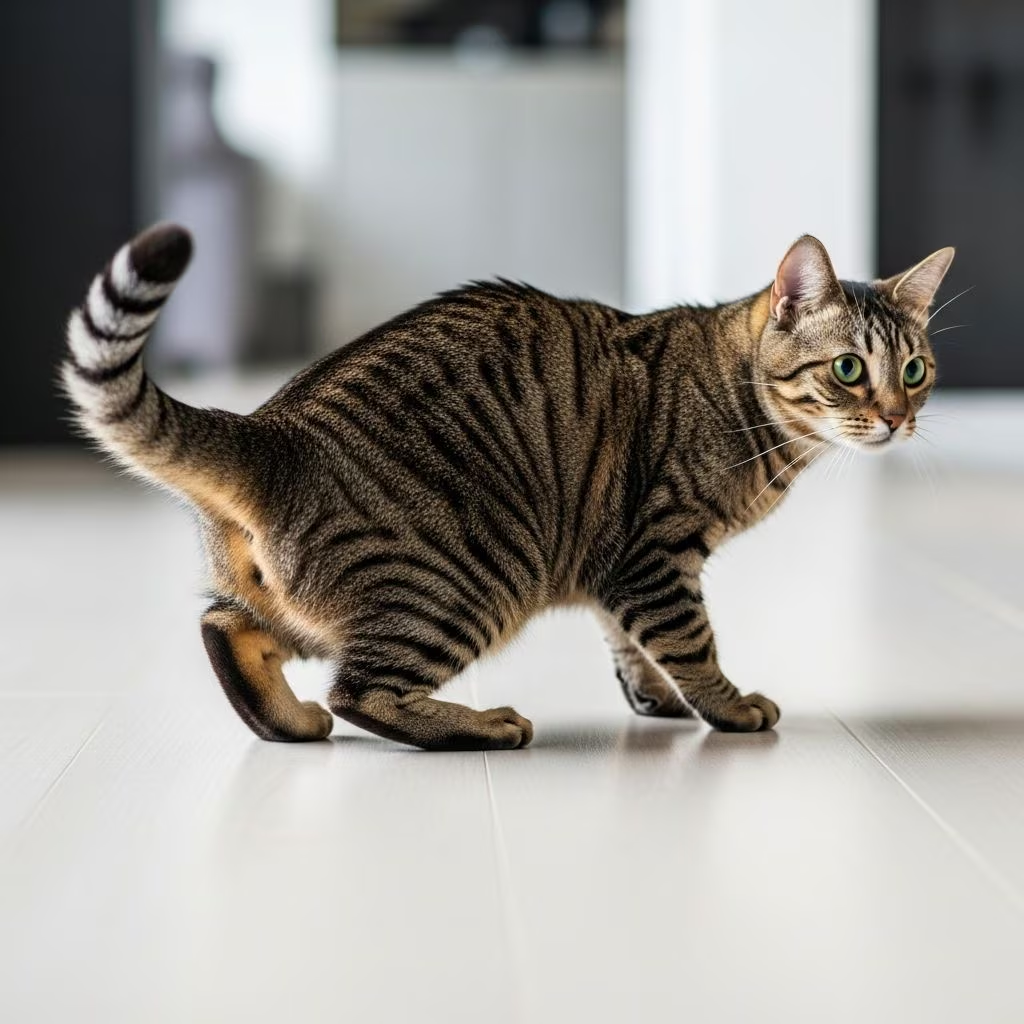
Your cat suddenly dragging its rear across the carpet or floor? This behavior, known as **scooting**, is a cat’s way of relieving irritation, itchiness, or pain around the anus, rectum, or perineal area. While occasional scooting might be harmless, persistent episodes often point to underlying health issues requiring attention.
Scooting is less common in cats than dogs but can cause significant discomfort if ignored. Cats may also excessively lick or bite the area, signaling distress. Early intervention prevents complications like infections or abscesses.
What is Scooting in Cats?
**Scooting** occurs when a cat rubs its anus against surfaces like carpets, rugs, or grass to soothe irritation. It’s a instinctive response to discomfort in the anal sacs (glands), skin, or rectum. Unlike dogs, cats rarely scoot unless bothered by something specific.
Observe accompanying signs: fishy odor from anal glands, redness, swelling, hair loss, or changes in stool. Scooting intensity varies—mild cases self-resolve, but chronic ones need veterinary evaluation.
Why Do Cats Scoot? Common Causes
Scooting stems from any irritant affecting the rear end. Here’s a breakdown of primary causes:
- Anal Gland Problems: Most frequent culprit. Cats have two anal sacs flanking the anus that release fluid during defecation for scent marking. If full, impacted, infected, abscessed, or ruptured, they cause pressure and itchiness.
- Parasites: Tapeworms (visible as rice-like segments in feces or anus) irritate the rear. Fleas, ticks, or other worms trigger itching too.
- Allergies: Food, environmental, or flea allergies cause itchy skin, especially around the anus and ears. Inflammation leads to scooting and licking.
- Stuck Debris or Matted Fur: Fecal matter, litter, hairballs, or foreign objects (e.g., string) trap near the anus, causing abrasion.
- Diarrhea or Constipation: Loose stools fail to express glands; hard stools irritate. Fiber deficiency softens stool inadequately.
- Infections or Injuries: Bacterial/fungal infections, urinary tract issues, or trauma inflame the area.
- Tumors or Growths: Rare but serious; polyps, masses, or rectal cancer obstruct or irritate.
- Post-Surgery/Medication: Anesthesia disorientation or allergic reactions post-procedure.
- Other: Arthritis (painful movement), stress, or skin conditions.
| Cause | Key Signs | Fishy Odor? | Urgency |
|---|---|---|---|
| Anal Glands | Swelling, redness, licking | Yes | High |
| Parasites | Rice segments in poop | No | Medium |
| Allergies | Itchy ears/skin too | Sometimes | Medium |
| Debris | Visible matting | No | Low |
Symptoms to Watch For
Beyond scooting, red flags include:
- Excessive anal licking or biting
- Fishy/bloody discharge
- Blood, mucus, or diarrhea in stool
- Swelling, lumps, or hair loss around anus
- Lethargy, appetite loss, or pain cries
- Straining to defecate/urinate
If scooting lasts >24 hours or worsens, seek vet care immediately to rule out serious issues.
Diagnosis: How Vets Identify the Cause
Veterinarians start with a history and physical exam, gently checking anal glands and perineum. Further tests may include:
- Blood work (for infections/allergies)
- Fecal exam/culture (parasites)
- Urinalysis (UTIs)
- Imaging (X-ray/ultrasound for tumors/obstructions)
Expression of glands confirms issues if fluid is thick, bloody, or smelly.
Treatment Options for Scooting Cats
Treatment targets the root cause:
- Anal Glands: Manual expression by vet. Flushing/sedation for impacted cases. Antibiotics for infections; surgery for chronic/recurrent issues.
- Parasites: Dewormers (every 3 months or monthly broad-spectrum).
- Allergies: Hypoallergenic diet trial, anti-itch meds, flea preventives.
- Debris: Gentle cleaning, hair trimming.
- Other: Diet change (more fiber/wet food), pain relief, or tumor removal.
Home Remedies: Safe First Aid for Mild Cases
For non-urgent cases (<24 hours), try these vet-inspired tips. Stop if no improvement and consult a vet:
- Stuck Debris: Warm water soak to soften; trim matted fur carefully. Feed wet food for softer stools.
- Full Glands (no pain/swelling): Warm compress 5-10 min, 2-3x/day.
- Redness (no wounds): Clean with damp cloth (no soap); thin Sudocrem layer.
- Worms: Administer routine dewormer if due.
- General: Increase water/fiber; reduce stress with enrichment.
Never manually express glands yourself—risks injury/infection.
Prevention: Keep Your Cat from Scooting
Proactive steps minimize risks:
- Regular vet check-ups and fecal tests
- Year-round flea/tick/worm preventives
- High-fiber, balanced diet; wet food rotation
- Daily grooming for long-haired cats
- Stress reduction: stable routine, toys, litter hygiene
- Monitor post-surgery; use e-collar if needed
Early detection via annual exams catches issues before scooting starts.
When to See a Vet Urgently
Rush to vet if:
- Scooting >24-48 hours
- Visible swelling/discharge/pain
- Stool changes or litter box avoidance
- Lethargy/vomiting
Untreated anal issues can lead to abscesses or sepsis.
Frequently Asked Questions (FAQs)
Is cat scooting always serious?
No, mild cases from debris resolve quickly, but persistent scooting often indicates anal glands or parasites needing vet care.
Can I express my cat’s anal glands at home?
No—improper technique causes harm. Leave to professionals.
How long does anal gland expression relief last?
24-48 hours typically; recurrent needs diet/lifestyle changes.
Do indoor cats get worms causing scooting?
Yes, via fleas or ingested eggs. Routine deworming essential.
Can diet stop my cat from scooting?
Yes, high-fiber foods aid gland expression; allergy diets help itchy cases.
References
- Anal Scooting in Cats – Causes, Treatment and Associated Symptoms — Vetster. 2023. https://vetster.com/en/symptoms/cat/anal-scooting
- Scooting in cats — Joii Pet Care. 2024. https://www.joiipetcare.com/blogs/health-symptoms/scooting-in-cats
- Cat Scooting — Maxxi Paws. 2023. https://maxxipaws.com/cat-scooting/
- How to Know if Cat Scooting is Serious — Cat in a Flat. 2024. https://catinaflat.com/blog/how-to-know-if-cat-scooting-is-serious
- Why is My Cat Scooting on the Carpet? — Hill’s Pet Nutrition. 2023. https://www.hillspet.com/cat-care/behavior-appearance/cat-scooting-and-anal-glands



