

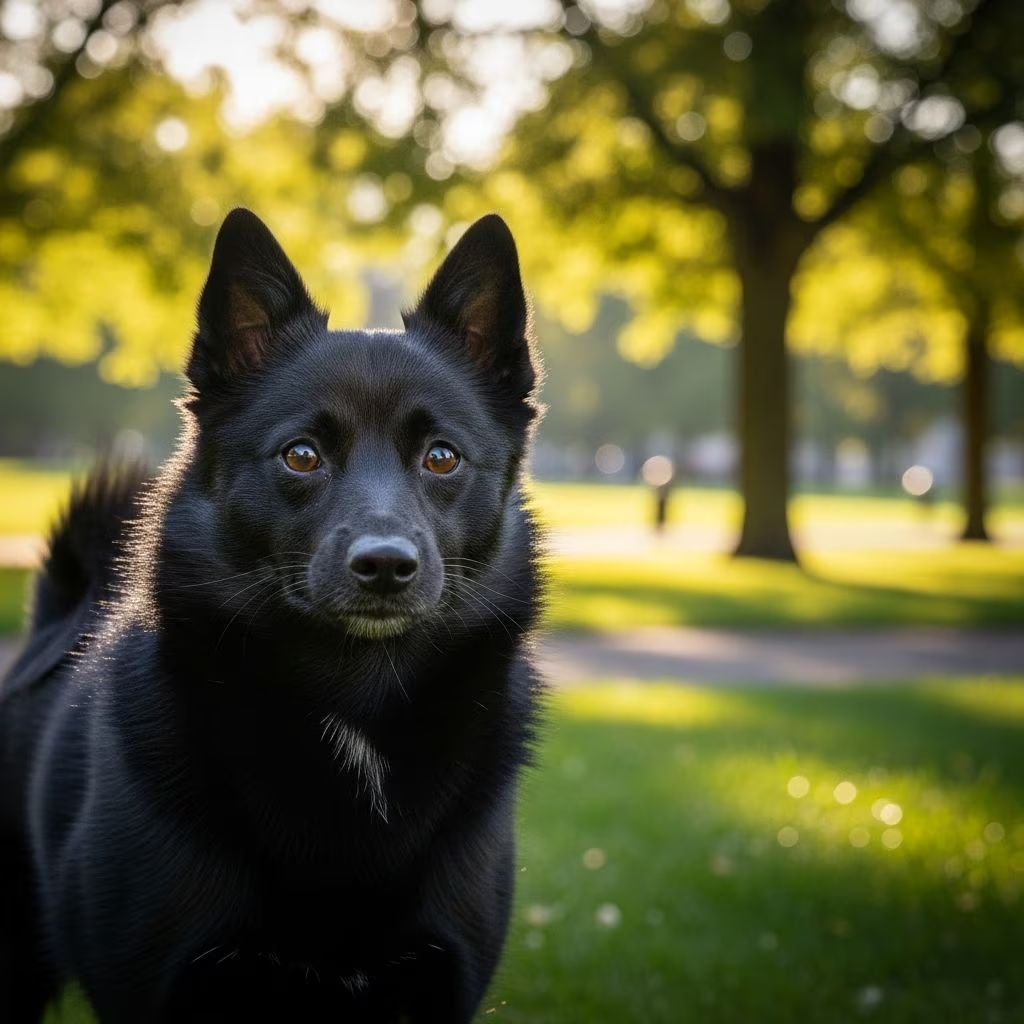
The Schipperke represents one of Belgium’s most distinctive canine contributions to the dog world. These compact, intelligent dogs carry centuries of working heritage within their small frames, making them fascinating subjects for both prospective and current dog owners. Understanding the breed’s background, characteristics, and specific care requirements is essential for anyone considering welcoming one into their home.
Origins and Historical Development
The Schipperke’s story begins in the Flemish regions of Belgium, where small black dogs gained prominence during the 17th and 18th centuries. These dogs descended from the Leuvenaar, a black sheepdog that weighed approximately 40 pounds and was commonly found in the Louvain region. Unlike the Belgian Sheepdog, which retained the larger size of its ancestor, selective breeding reduced the Schipperke to its current petite dimensions while maintaining the breed’s characteristic work ethic and intelligence.
The name \”Schipperke\” derives from Flemish terminology meaning \”little skipper\” or \”little boatman,\” directly referencing the breed’s primary occupation. These dogs became indispensable on Belgian barges and boats, where they served dual purposes: eliminating vermin that threatened cargo and alerting crews to potential threats. Their tailless silhouette became so associated with the breed that it evolved into a defining characteristic, though the exact origin of tail docking remains debated among breed historians.
During the 17th century, Schipperkes gained cultural significance in Flemish society when they participated in Sunday dog shows, competing while wearing ornamental brass collars. The breed’s popularity expanded considerably after 1885 when Queen Marie Henriette adopted a Schipperke as a personal pet, elevating the breed from working-class status to the most popular dog in Belgium.
Physical Characteristics and Appearance
Schipperkes present a distinctive visual profile that sets them apart from other toy and small breeds. These dogs typically weigh between 11 and 16 pounds and stand approximately 10 to 13 inches tall at the shoulder, creating a proportionate, athletic silhouette despite their diminutive size.
Distinctive Features
- Coloring: The breed standard traditionally emphasizes solid black coats, though historically some color variations existed. The all-black appearance remains the most recognized and preferred coloring in contemporary breed standards.
- Coat Structure: Schipperkes possess a double coat with a soft, dense undercoat covered by a harsher, longer outer layer. This combination provides weather resistance and a distinctive texture that requires regular maintenance.
- Facial Features: Alert, erect pointed ears positioned atop the head give Schipperkes their characteristic expression of keen intelligence and constant interest in their surroundings.
- Signature Ruff: A prominent neck ruff surrounding the head transitions into a strip of longer hair trailing toward the rear, creating a distinctive silhouette that contributes to the breed’s recognizable appearance.
- Tail Carriage: The breed’s traditional tailless appearance stems from historical docking practices, though the natural tail carriage varies among individual dogs when undocked, sometimes curving over the back in Spitz-like fashion.
Temperament and Behavioral Traits
Despite their small stature, Schipperkes possess outsized personalities marked by confidence, independence, and unwavering loyalty to their families. These dogs possess what owners and breed specialists describe as a \”Velcro\” tendency—they remain affectionate and attentive to family members while maintaining independent judgment about their environment.
Key Personality Characteristics
Schipperkes demonstrate remarkable interest in everything around them, a trait inherited from their ratting and guarding heritage. This investigative nature manifests as curiosity about household activities, alertness to environmental changes, and a strong desire to participate in family dynamics. They form deep attachments to their human companions while maintaining a reserved demeanor toward strangers, reflecting their historical role as watchdogs on barges and in workshops.
The breed’s guarding instincts remain sharp and well-developed, making them effective alert dogs despite their small size. Shoemakers in Brussels particularly valued these characteristics during the 17th century, utilizing Schipperkes as reliable night watchmen. This protective tendency continues in modern examples of the breed, who often alert owners to visitors, unusual sounds, and environmental changes with surprising vigor.
Prey Drive Considerations
Historical breeding for rodent control means many Schipperkes maintain a pronounced prey drive. Small animals including birds, squirrels, rabbits, and occasionally cats trigger chase instincts that can override training in uncontrolled environments. Owners must implement secure fencing, leash protocols during outdoor activities, and careful introductions to other small household pets to ensure safety and harmonious cohabitation.
Training and Socialization Requirements
Schipperkes respond well to structured training approaches that respect their intelligence while providing clear direction and consistency. Early socialization proves essential for developing well-mannered adult dogs who accept strangers and adapt comfortably to various environments and situations.
Training Approach Framework
| Training Element | Recommendation | Key Consideration |
|---|---|---|
| Socialization Period | Begin before 12 weeks of age | Exposure to diverse people, environments, and experiences builds confidence |
| Command Training | Start with foundational commands | Use positive reinforcement; avoid harsh corrections that damage trust |
| Recall Development | Prioritize \”come\” command training | Critical for managing prey drive during outdoor activities |
| Leash Skills | Establish loose-leash walking | Prevents pulling and allows better control in public spaces |
| Consistency | Maintain uniform expectations | All family members should enforce identical rules and commands |
The breed’s independent nature means they occasionally challenge instructions they perceive as unreasonable, requiring patient yet firm guidance that establishes leadership without undermining the relationship. Positive reinforcement through treats, praise, and play provides more effective motivation than punitive approaches, which can create resistance or behavioral issues.
Exercise and Activity Needs
Schipperkes possess remarkable energy reserves relative to their size, requiring regular physical activity and mental stimulation to maintain behavioral balance and physical health. A sedentary lifestyle often results in destructive behaviors, excessive barking, or problematic displays of the breed’s natural guarding instincts.
Daily exercise routines should include a combination of structured activities and interactive play. Fenced yard access provides safe spaces for independent movement, though Schipperkes thrive most when engaging directly with their owners through games, training sessions, or outdoor adventures. Their compact size makes them suitable for apartment living when provided adequate activity outlets, though yard access significantly enhances their quality of life.
Health Considerations and Common Concerns
Schipperkes generally represent a hardy breed with relatively few breed-specific health issues, though prospective owners should understand common concerns that may affect individual dogs. Responsible breeders conduct appropriate health screening and maintain genetic diversity within their breeding programs to minimize disease transmission.
Health Monitoring Areas
- Patellar luxation (knee joint instability) can occur in toy breeds; responsible breeders screen parents for this condition
- Legg-Calvé-Perthes disease affects the hip joint; proper screening helps identify affected lines
- Progressive retinal atrophy represents an inherited eye condition requiring veterinary monitoring
- Hip dysplasia, while less common than in larger breeds, should be evaluated through appropriate screening protocols
- Dental health requires attention, as small breeds sometimes experience crowding and tooth decay
Regular veterinary examinations, appropriate vaccinations, parasite prevention, and dental care form the foundation of preventive health management. Maintaining appropriate weight through proper nutrition and exercise reduces stress on joints and organs while supporting overall longevity.
Nutritional Requirements and Feeding Guidelines
Schipperkes require high-quality commercial dog food formulated for small, active breeds. Their metabolic rates and activity levels necessitate appropriate caloric intake to maintain energy without promoting obesity. Individual dogs exhibit varying appetite patterns, and owners should monitor body condition regularly to ensure optimal weight management.
Portion sizes typically range from one-half to one full cup of quality dry kibble daily, divided into two meals. Treats should comprise no more than 10 percent of daily caloric intake to prevent nutritional imbalances. Fresh water should remain available at all times, and owners should avoid foods toxic to dogs, including chocolate, grapes, raisins, onions, and xylitol-containing products.
Grooming and Coat Maintenance
Schipperkes require regular grooming to maintain their distinctive double coat and prevent matting. Weekly brushing removes loose hair and distributes natural oils throughout the coat. During shedding seasons, more frequent brushing helps manage the significant hair loss that characterizes double-coated breeds.
Professional grooming every six to eight weeks helps maintain coat health and appearance. Nail trimming, ear cleaning, and dental care should occur regularly as part of comprehensive grooming protocols. The breed’s distinctive ruff and rear skirt require particular attention during grooming to maintain their characteristic appearance and prevent tangles or mats.
Living Environment and Family Compatibility
Schipperkes adapt well to diverse living situations, from apartments to suburban homes with yards. Their small size and moderate exercise requirements make them suitable for urban environments when owners provide adequate daily activity. The breed’s alert nature and guarding instincts sometimes result in excessive barking, particularly in response to environmental stimuli, requiring training intervention and management strategies.
These dogs generally display patience and gentleness with children who treat them respectfully, though their small size and activity level mean they interact better with older children capable of appropriate handling. Adult supervision during interactions between young children and Schipperkes prevents accidental injuries that might result from overzealous play or rough handling.
Integration with Existing Pets
Schipperkes typically coexist peacefully with other dogs, particularly when raised together from puppyhood. Their prey drive poses the primary concern regarding small animals, making careful introductions and ongoing management essential when cats or other small pets share the household. Socialization with various animals during critical developmental periods increases the likelihood of harmonious relationships, though individual temperament variations mean some dogs retain stronger predatory instincts than others.
Frequently Asked Questions
Do Schipperkes require special training compared to other small breeds?
Schipperkes respond well to standard training approaches, though their independent nature sometimes necessitates slightly firmer leadership than some toy breeds. Consistency, positive reinforcement, and clear boundaries help channel their intelligence productively. Their working heritage means they thrive when provided purposeful activities and mental engagement rather than serving as decorative lap dogs.
Are Schipperkes suitable for first-time dog owners?
The breed can succeed with first-time owners who commit to early socialization, consistent training, and regular exercise. Their small size appeals to novice owners, though potential owners should understand that size doesn’t correlate with training requirements. Their independent streak and strong personality require owners willing to establish clear boundaries and maintain consistent expectations.
How long do Schipperkes typically live?
With proper care, nutrition, and regular veterinary attention, Schipperkes commonly live 12 to 18 years, with some individuals reaching their early 20s. Maintaining appropriate weight, providing regular exercise, and addressing health concerns promptly support longevity in this generally hardy breed.
What makes the Schipperke’s all-black coloring so distinctive?
The solid black coat remains the breed standard, earning Schipperkes distinction as one of few breeds where color variation historically faced resistance. Historical breed standards emphasized and maintained this distinctive appearance, though modern DNA research confirms Schipperkes belong to the Spitz family of breeds, which includes dogs of various colors.
Historical Significance and Cultural Legacy
The Schipperke holds particular significance in Belgian history and culture, representing the working heritage of Flanders’ commercial and artisan communities. From humble origins in the workshops of Brussels shoemakers to recognition by Queen Marie Henriette, the breed’s trajectory reflects changing attitudes toward dog breeding and ownership.
During World War II, Schipperkes served the Belgian Resistance as message carriers between hideouts and resistance cells, remaining below the notice of occupying forces. This wartime service demonstrates the breed’s intelligence, reliability, and value beyond their originally intended ratting and guarding functions.
The American Kennel Club officially recognized the breed in 1904, following the first U.S. importation in 1888. The Schipperke Club of America, established in 1929, has worked to preserve breed standards and promote understanding of this distinctive Belgian breed throughout North America.
Conclusion: Evaluating Schipperke Ownership
Schipperkes offer prospective owners an engaging combination of small size, intelligence, loyalty, and distinctive personality. Their Belgian heritage and working background manifest in contemporary dogs as alertness, confidence, and unwavering dedication to their families. Success with the breed requires commitment to appropriate training, regular exercise, socialization, and healthcare, balanced with appreciation for their independent nature and spirited temperament.
These dogs thrive in homes where owners appreciate their unique characteristics rather than attempting to reshape them into decorative companions. For families willing to invest in their development and provide purposeful engagement, Schipperkes reward their humans with decades of companionship, entertainment, and devoted loyalty.
References
- Schipperke History: The \”Little Captain\” of Belgian Dockyards — American Kennel Club. https://www.akc.org/expert-advice/dog-breeds/schipperke-history-little-captain-docks/
- Schipperke — Wikipedia. https://en.wikipedia.org/wiki/Schipperke
- Schipperke Dog Breed Health and Care — PetMD. https://www.petmd.com/dog/breeds/schipperke
- Schipperke | Breeds A to Z | The Kennel Club — The Kennel Club. https://www.royalkennelclub.com/search/breeds-a-to-z/breeds/utility/schipperke/



