

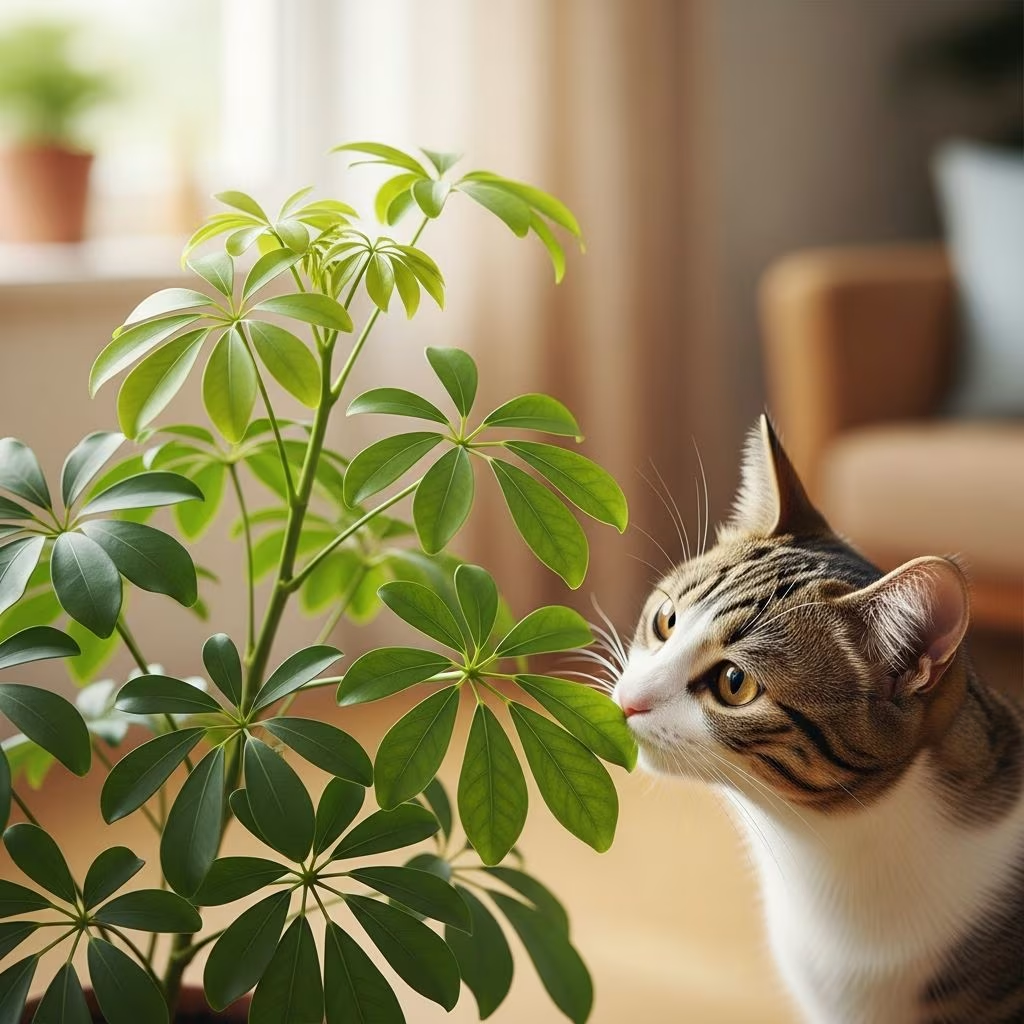
Schefflera plants, commonly known as umbrella trees, pose a significant risk to cats due to their toxic compounds. These popular indoor plants contain insoluble calcium oxalate crystals that irritate a cat’s mouth and digestive system upon ingestion.
Understanding Schefflera Plants and Their Appeal
These subtropical evergreens thrive in low-light conditions, making them favorites for home decor. Their glossy, clustered leaves radiate from stems, earning nicknames like octopus tree or dwarf umbrella plant. Two main species exist: the larger Schefflera actinophylla and the compact Schefflera arboricola, both equally hazardous to pets.
Owners often place them on shelves or floors, unaware of the danger to curious cats who nibble on foliage. The plant’s shiny leaves attract playful felines, leading to accidental exposure.
The Science Behind Schefflera’s Toxicity
Toxicity stems from insoluble calcium oxalate crystals throughout the plant—leaves, stems, and roots. When chewed, these needle-like crystals penetrate soft tissues, causing immediate pain and inflammation.
Unlike soluble oxalates, these crystals do not absorb systemically but cause localized damage. They belong to the Araliaceae family, sharing risks with similar species. Cats rarely ingest large amounts due to instant discomfort, limiting severe outcomes.
- Key toxic component: Insoluble calcium oxalate crystals
- Affected parts: All plant sections
- Mechanism: Mechanical irritation from crystal penetration
Recognizing Early Signs of Poisoning
Symptoms appear rapidly, often within minutes of contact. Cats paw at their mouth, drool excessively, and gag from burning sensations on lips, tongue, and throat.
Vomiting may occur within two hours, alongside swallowing difficulties and appetite loss. In rare cases, airway swelling leads to breathing issues, though most incidents resolve without long-term harm.
| Symptom | Description | Onset Time |
|---|---|---|
| Oral irritation | Pawing mouth, head shaking | Immediate |
| Drooling | Excessive salivation | Immediate |
| Vomiting | Expelling stomach contents | Within 2 hours |
| Swallowing difficulty | Throat inflammation | Minutes to hours |
| Rare severe signs | Airway swelling, lethargy | Hours |
Monitor for these indicators closely if Schefflera is accessible.
Immediate Response to Suspected Ingestion
If exposure is suspected, prioritize safety. Remove the cat from the plant area and note the incident time, estimated amount consumed, and symptoms.
Contact a veterinarian or pet poison hotline immediately, providing details for accurate advice. Do not induce vomiting, as it worsens oral damage. Offer small amounts of milk or yogurt to soothe irritation by binding crystals.
Bring a plant sample or photo for identification. Professional care may include pain relief, anti-inflammatories, or monitoring for complications.
- Isolate cat from plant.
- Assess quantity and time.
- Call vet or hotline (e.g., ASPCA at 888-426-4435).
- Provide symptom description.
- Administer soothing dairy if advised.
Long-Term Prevention Strategies
Eliminate Schefflera and related Araliaceae plants from cat households. Place remaining greenery out of reach using high shelves or hanging baskets, though supervision remains essential.
Opt for non-toxic alternatives that satisfy a cat’s curiosity without risk. Train with deterrents like citrus sprays, but removal is most effective.
Safe Houseplant Alternatives for Cat Owners
Choose verified pet-safe options to maintain greenery:
- Spider Plant (Chlorophytum comosum): Air-purifying, resilient to nibbling.
- Parlor Palm (Chamaedorea elegans): Elegant, non-irritating foliage.
- Boston Fern (Nephrolepis exaltata): Lush, humidity-loving safe pick.
- Calathea varieties: Colorful, low-toxicity leaves.
- Prayer Plant (Maranta leuconeura): Compact, cat-resistant.
Verify safety via ASPCA lists before purchase.
Broader Implications for Multi-Pet Homes
Schefflera endangers dogs and young children too, due to identical crystals. Multi-pet families should audit all plants collectively.
Promote awareness: educate housemates on risks and responses. Regular home checks prevent incidents.
Understanding Calcium Oxalate in Plants
These crystals defend plants evolutionarily against herbivores. In pets, they mimic puncture wounds, triggering inflammation without chemical poisoning.
Risks vary by species concentration; Schefflera holds moderate levels, explaining milder typical effects.
Veterinary Insights and Prognosis
Most cases self-resolve as cats avoid further eating. Vets report low mortality, focusing on supportive care.
Early intervention yields excellent outcomes; delays risk dehydration from vomiting.
Frequently Asked Questions
Is all Schefflera equally toxic?
Yes, both S. actinophylla and S. arboricola contain harmful crystals throughout.
How much plant causes symptoms?
Even small bites suffice due to localized pain.
Can cats die from Schefflera?
Deaths are extremely rare; complications arise only in massive ingestion.
What if my cat shows no symptoms?
Monitor 24 hours and consult vet if concerned.
Are there outdoor Schefflera risks?
Primarily indoor, but potted outdoor plants pose threats.
Creating a Cat-Safe Indoor Jungle
Balance aesthetics and safety with vertical gardens, wall mounts, and safe species. Involve cats in play with dedicated toys redirecting plant interest.
Annual toxicity audits ensure evolving home safety as cats mature.
References
- Is Schefflera Toxic to Cats? Vet-Verified Facts & Safety Guide — Catster. 2024. https://www.catster.com/cat-health-care/is-schefflera-toxic-to-cats/
- Schefflera – Toxic and Non-toxic Plants — ASPCA. Accessed 2026. https://www.aspca.org/pet-care/aspca-poison-control/toxic-and-non-toxic-plants/schefflera
- Schefflera Are Toxic To Pets — Pet Poison Helpline. Accessed 2026. https://www.petpoisonhelpline.com/poison/schefflera/
- Dogs, Cats & Umbrella Trees (Schefflera): Toxicity in Pets — Animal Poisons Helpline. 2020-06-30. https://www.animalpoisons.com.au/news/dogs-cats-and-umbrella-trees/



