

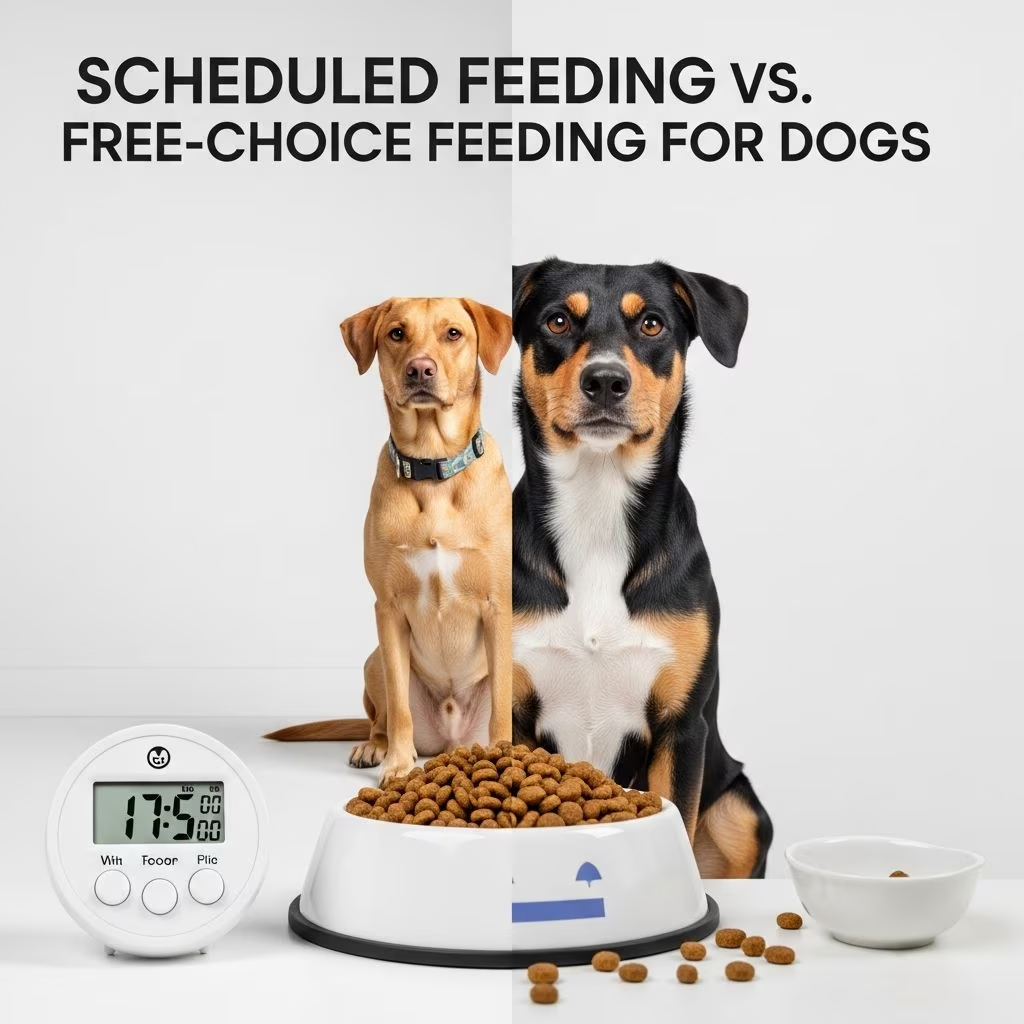
One of the most fundamental decisions dog owners face involves determining how to feed their canine companions. While it might seem straightforward, the methodology behind when and how often your dog eats can significantly impact their physical health, behavioral patterns, and overall quality of life. Two primary feeding approaches dominate the canine nutrition landscape: scheduled feeding (also called portion-controlled or meal feeding) and free-choice feeding (also known as ad libitum or free feeding). Each method carries distinct advantages and challenges that warrant careful consideration based on your individual dog’s needs, lifestyle, and household dynamics.
Understanding Scheduled Feeding Approaches
Scheduled feeding involves providing your dog with measured portions of food at predetermined times throughout the day. Rather than leaving food available constantly, owners establish a feeding routine—typically ranging from once daily for adult dogs to multiple times daily for puppies or senior dogs. This structured approach places the owner in control of portion sizes and feeding frequency, creating a predictable rhythm that many dogs adapt to readily.
The foundation of scheduled feeding lies in portion control and nutritional accountability. Owners can precisely measure the amount of food their dog consumes, making it simpler to monitor caloric intake and adjust portions based on individual metabolic needs, activity levels, and body condition. This precision becomes particularly valuable for dogs managing specific health conditions, maintaining ideal body weight, or requiring specialized dietary formulations.
Health and Wellness Benefits of Scheduled Feeding
- Weight Management: Controlling portion sizes helps prevent obesity and related health complications. Dogs cannot overeat beyond what owners provide, making it easier to maintain healthy body weight throughout their lifespan.
- Digestive Health: Regular meal times establish predictable digestive cycles, potentially reducing gastrointestinal disturbances and allowing for better nutrient absorption patterns.
- Medical Monitoring: Owners notice changes in appetite more readily when feeding scheduled meals, often serving as an early indicator of potential health issues requiring veterinary attention.
- Medication Administration: Dogs receiving medications or supplements benefit from scheduled feeding, as owners can administer treatments with meals reliably.
Exploring Free-Choice Feeding Methodology
Free-choice feeding allows dogs continuous access to food throughout the day. Rather than serving meals at specific times, owners maintain a consistent food supply that dogs can access whenever hunger strikes. This approach mirrors how some wild canines forage opportunistically, and it gained popularity partly due to the convenience it offers busy pet owners.
Proponents of free-choice feeding emphasize the autonomy it grants dogs in self-regulating their consumption. The theory suggests that dogs possess inherent abilities to eat appropriate quantities when food remains perpetually available, managing their own intake based on genuine hunger signals rather than artificial schedules imposed by humans.
Practical Advantages of Free-Choice Feeding
- Owner Convenience: Food can be replenished several times weekly rather than prepared fresh at specific times, fitting seamlessly into busy schedules.
- Reduced Behavioral Issues: Some owners report decreased begging, food-related anxiety, and nuisance barking when dogs know food remains consistently available.
- Multi-Dog Household Benefits: Timid or submissive dogs may access adequate nutrition without competing aggressively during scheduled mealtimes, potentially reducing hierarchy-related conflicts.
- Automatic Dispensing: Modern gravity feeders and automatic dispensers further streamline the free-choice approach, requiring minimal daily owner involvement.
Comparing Health Outcomes Between Feeding Methods
Research examining different feeding methodologies provides nuanced insights into their physiological effects. A comparative study of continuous versus intermittent feeding in dogs demonstrated that both approaches maintained similar outcomes regarding weight stability, gastrointestinal comfort, glucose tolerance, and nutrient digestibility. This finding suggests that from a purely metabolic standpoint, neither method inherently compromises canine health when implemented appropriately.
However, this equivalence assumes responsible implementation of either method. Scheduled feeding success depends on owners calculating appropriate portions accurately and adhering to established routines. Free-choice feeding success requires dogs possessing self-regulatory capabilities and owners monitoring weight and overall health vigilantly.
Obesity and Weight Management Considerations
While research shows metabolic similarities between feeding approaches, practical obesity trends reveal important distinctions. Many dogs struggle with self-regulation when food remains perpetually available. Environmental factors, behavioral eating patterns, and individual metabolic variations mean some dogs cannot effectively limit consumption despite free-choice availability. These dogs tend to maintain healthier weights with scheduled portion control.
Conversely, some dogs demonstrate genuine self-regulation abilities and maintain stable weights with free-choice feeding. Distinguishing which category your dog falls into requires honest observation of their tendencies and willingness to adjust methods if weight issues emerge.
Behavioral and Psychological Impacts
Beyond physical health, feeding methodology influences canine behavior and psychological well-being. The structured anticipation associated with scheduled feeding can positively reinforce routine and predictability, aspects many dogs find comforting. Conversely, the reduced anticipation might benefit anxious dogs who experience feeding-related stress around specific times.
Free-choice feeding’s continuous availability may reduce food-motivated behavioral problems for some dogs while potentially exacerbating them in others. Dogs with history of resource guarding, food aggression, or obsessive eating behaviors might struggle with constant food access, whereas these same behaviors might diminish if eating becomes less novel and urgent.
Special Circumstances Favoring Scheduled Feeding
Certain situations make scheduled feeding substantially more appropriate than free-choice alternatives:
- Puppies: Young dogs benefit from structured feeding supporting proper growth, development, and house-training consistency.
- Medical Conditions: Dogs with diabetes, digestive disorders, or other health issues require portion control and dietary precision.
- Weight Management: Overweight or obese dogs typically achieve better results with measured portions and controlled caloric intake.
- Training and Behavior Modification: Using food as training motivation works more effectively when dogs experience genuine hunger at training times.
- Medication Administration: Drugs requiring food administration or timing work reliably with scheduled feeding protocols.
- Senior Dogs: Older canines often benefit from multiple smaller meals improving digestion and maintaining stable energy levels.
Situations Favoring Free-Choice Feeding Approaches
Certain circumstances and dog types may thrive better with free-choice feeding availability:
- Highly Active Dogs: Working or sporting dogs with elevated energy requirements might benefit from continuous food access supporting their increased caloric needs.
- Dogs with Genuine Self-Regulation: Some individual dogs naturally stop eating when satiated, maintaining healthy weights despite constant availability.
- Multi-Dog Households with Hierarchy Issues: Subordinate dogs can access adequate nutrition without competing aggressively for limited resources.
- Dogs with Anxiety Around Feeding Time: Constant availability might reduce feeding-related stress and food anticipation anxiety.
- Busy Owner Schedules: Owners unable to maintain consistent feeding routines might find free-choice feeding more sustainable long-term.
Hybrid and Alternative Feeding Strategies
Many experienced dog owners implement hybrid approaches, combining elements of both methodologies to optimize their specific situation. Some strategies include:
- Scheduled Free-Choice: Providing food bowls during specific windows (morning and evening) while removing them at other times, combining convenience with portion control.
- Measured Free-Choice: Calculating daily caloric requirements, dividing into multiple portions, and making all daily food available in a gravity feeder, preventing overfeeding while maintaining constant access.
- Rotational Feeding: Alternating between scheduled and free-choice methods based on seasonal activity levels or life stage changes.
- Interactive Feeding: Using puzzle feeders, treat-dispensing toys, or training-based feeding that combines portion control with enrichment, regardless of meal timing approach.
Environmental and Storage Considerations
Practical factors beyond nutrition science influence feeding method selection. Scheduled feeding typically requires meal preparation at designated times but provides flexibility regarding storage methods. Free-choice feeding demands less frequent preparation but requires appropriate storage solutions preventing food spoilage or contamination.
Climate, household pest presence, and available refrigeration space factor significantly into these logistics. Dogs in warm environments might experience faster food degradation with free-choice feeding, while multi-pet households might struggle with territorial food claims regardless of feeding method chosen.
Monitoring and Adjusting Your Approach
Regardless of initial methodology, successful dog nutrition requires ongoing observation and adjustment. Track your dog’s body condition, energy levels, coat quality, digestive health, and behavioral patterns as indicators of feeding method effectiveness. Regular veterinary check-ups provide professional assessment of whether current feeding approaches support optimal health.
Be prepared to modify your strategy if problems emerge. A dog thriving on free-choice feeding initially might develop weight issues later, necessitating transition to scheduled feeding. Conversely, a dog on scheduled feeding might display anxiety or behavioral issues improved by modified feeding approaches.
Common Questions About Dog Feeding Methods
Frequently Asked Questions
At what age can puppies transition from multiple daily meals to scheduled feeding?
Most puppies transition gradually from four daily meals (around 6-8 weeks) to three meals (3-6 months), then two meals (6 months onward). The exact timeline depends on individual growth rates and breed size, with larger breeds sometimes maintaining three meals longer. Your veterinarian can recommend appropriate timing for your specific puppy.
Can dogs with free-choice feeding be trained effectively?
Training effectiveness depends more on motivation than feeding method. However, scheduled feeding often provides stronger training motivation since dogs experience genuine hunger drives. If using free-choice feeding, training sessions work better when dogs haven’t recently eaten and may require higher-value rewards capturing their interest despite available food.
How do I know if my dog is overeating with free-choice feeding?
Signs include gradual weight gain, reduced activity levels, labored breathing or exercise intolerance, difficulty moving, and visible rib obscuration. Schedule regular veterinary weigh-ins and body condition assessments to catch developing issues early before obesity becomes established.
Should senior dogs eat differently than adult dogs?
Senior dogs often benefit from multiple smaller meals supporting easier digestion and stable energy. They may also develop dental issues making softer food preferable. Scheduled feeding allows portion adjustments for changing metabolic needs, though individual senior dogs vary in their requirements. Consult your veterinarian about appropriate feeding strategies for aging canines.
Does feeding method affect dental health?
Feeding method itself doesn’t directly impact dental health, though food type does. Dry kibble offers some mechanical cleaning benefits through chewing action, while wet or raw food doesn’t provide equivalent dental stimulation. Dental health depends primarily on food selection and supplemental dental care like brushing or professional cleanings, regardless of feeding schedule.
Making Your Final Decision
Selecting between scheduled and free-choice feeding requires honest assessment of your lifestyle, your individual dog’s characteristics, and your commitment to health monitoring. Neither approach is universally superior—rather, the best method aligns with your specific circumstances and your dog’s particular needs and behaviors.
Start with the approach seeming most sustainable for your household, then monitor outcomes carefully. Track weight, energy, digestion, behavior, and overall health indicators. Remain flexible, adjusting methods if problems emerge. Involve your veterinarian in these decisions, particularly for puppies, senior dogs, or those with health considerations.
The investment in thoughtful feeding strategy pays dividends throughout your dog’s lifetime, contributing to longevity, vitality, and the quality of your bond with your canine companion.
References
- Comparison of continuous versus intermittent enteral feeding in dogs — Journal of Veterinary Internal Medicine. 1996-05. https://pubmed.ncbi.nlm.nih.gov/8743212/
- How Often Should I Feed My Dog: Free Feeding vs. Schedule Feeding — Purina. 2024. https://www.purina.com/articles/dog/feeding/guides/free-feeding-dogs
- Feeding Options for Your Dog — PetSafe. 2024. https://www.petsafe.com/blog/feeding-options-for-your-dog/
- Raw vs. Fresh vs. Kibble: Comparing Diet Options for Dogs — Veterinary Science Clinic. 2024. https://vscli.com/raw-vs-fresh-vs-kibble-comparing-diet-options-for-dogs/
- Fresh vs Raw Dog Food vs Kibble: Which Diet Is Best For Your Dog? — American Kennel Club. 2024. https://www.akc.org/expert-advice/nutrition/fresh-raw-kibble-dog-food/



