

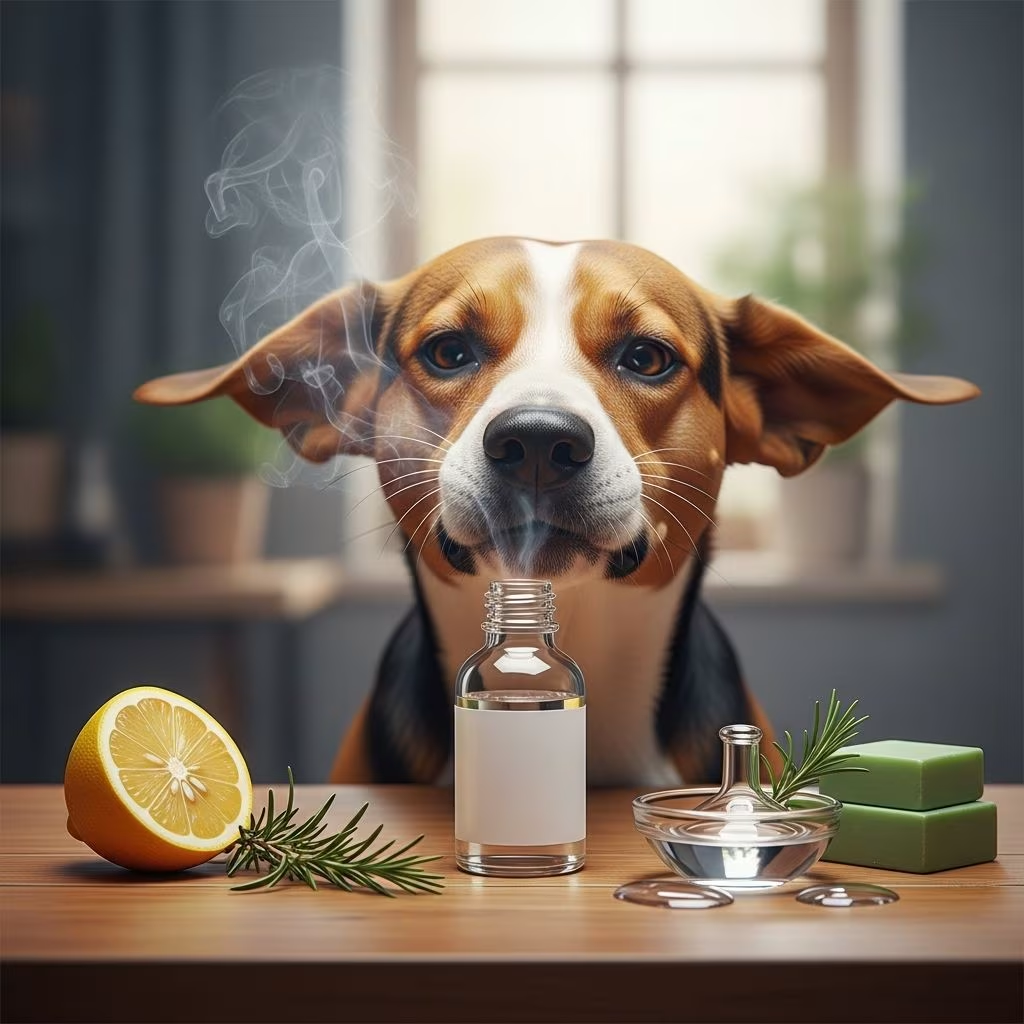
Dogs possess an extraordinary sense of smell, far superior to humans, with 125 to 300 million scent receptors compared to our 5 to 6 million. This heightened olfaction allows them to detect odors at concentrations as low as a teaspoon of sugar in an Olympic-sized swimming pool, making certain scents overwhelmingly unpleasant or repulsive to them. While dogs enjoy scents like blueberry, blackberry, mint, rose, and lavender, they actively avoid others such as citrus, vinegar, and spicy odors. Understanding these aversions can help pet owners train their dogs, protect gardens, and create harmonious living spaces.
Why Dogs Hate Certain Scents: The Science of Canine Olfaction
A dog’s olfactory system is powered by the vomeronasal organ (VNO), which interprets social cues, identifies animals, and detects emotions. Their brain’s smell center is 40 times larger than humans’, despite the brain being one-tenth the size. Scents dogs hate often trigger avoidance behaviors because they are too intense, associated with danger, or simply unappealing based on evolutionary instincts. For instance, citrus volatiles like limonene irritate their sensitive nasal passages, prompting retreat.
Research confirms variability in preferences; dogs prefer food and certain natural odors but shun synthetic or acidic smells. City dogs may habituate to urban odors differently than country counterparts, affecting attention and behavior. Breed differences exist too—scent hounds like Bloodhounds amplify detection, making repellents more effective.
1. Citrus Scents
**Citrus tops the list of scents dogs hate.** Oranges, lemons, grapefruits, and limes emit strong terpenes like limonene and citral, which overwhelm canine noses. Most dogs recoil from the sharp, acidic aroma, making it ideal for deterrence. Unlike cats, who may be attracted to citrus-coated objects, dogs consistently avoid them.
To use safely: Dilute lemon juice with water (1:10 ratio) and spray on furniture or yard edges. Avoid direct contact with skin or eyes, as concentrated citrus can irritate. Studies show dogs exposed to citrus spend less time in treated areas, proving its repellent efficacy.
- Lemons: Sharpest aversion due to high citric acid.
- Oranges: Sweet yet pungent to dogs.
- Grapefruit: Bitter notes amplify repulsion.
2. Vinegar
Vinegar’s acetic acid tang is another potent dog deterrent. Dogs hate its sour, pungent smell, which lingers and mimics spoilage odors evolutionarily linked to danger. White or apple cider vinegar works best; mix 1 part vinegar with 3 parts water for sprays.
Applications include cleaning pet areas (neutralizes urine odors without harm) and repelling dogs from trash or gardens. Reapply after rain, as it evaporates quickly. No toxicity at diluted levels, but test on surfaces to avoid damage.
3. Rubbing Alcohol
The isopropyl alcohol in rubbing alcohol produces a harsh, chemical stench dogs despise. It’s commonly used in households but repels pets from treated spots. Dilute heavily (1:20 with water) for safe use; undiluted can harm respiratory systems.
Caution: Ventilate areas well. Ideal for temporary barriers around plants or off-limits rooms.
4. Hot Peppers and Spicy Smells
Capsaicin from chili, cayenne, and black pepper burns nasal membranes, causing dogs to flee. Sprinkle ground peppers around gardens or mix into sprays (1 tsp per cup water). Wash paws if contact occurs to prevent irritation.
Not for indoor use due to human discomfort. Effectiveness peaks in dry conditions.
5. Household Cleaners
Ammonia, bleach, and pine-sol based cleaners emit ammonia-like or phenolic odors dogs associate with predators or toxins. These mimic urine or decay, triggering avoidance. Use pet-safe alternatives indoors, but leverage for outdoor deterrence.
6. Essential Oils: A Double-Edged Sword
Some essential oils calm (lavender, chamomile reduce barking), but others like peppermint, rosemary, and eucalyptus energize or repel. Dogs hate overpowering peppermint’s menthol bite. Tea tree and pennyroyal are toxic—avoid entirely.
Belfast University study: Lavender/chamomile promoted rest; rosemary/peppermint increased activity. Dilute in diffusers, never apply directly.
| Essential Oil | Dog Reaction | Safe Use |
|---|---|---|
| Lavender | Calming | Diffuser, diluted |
| Peppermint | Repellent/energizing | Spray sparingly |
| Rosemary | Stimulating | Avoid enclosed spaces |
| Chamomile | Restful | Shelter calming |
How to Use Scents Dogs Hate Safely
Always dilute repellents to prevent irritation. Introduce gradually to avoid stress associations. Combine with positive reinforcement for training. Monitor for sneezing or pawing nose—discontinue if seen.
- Garden Protection: Citrus peels + vinegar around plants.
- Indoor Training: Alcohol spray on furniture legs.
- Furniture Deterrent: Pepper-vinegar mix.
For shelters, varied scents stimulate without overwhelming. Never use near food/water bowls.
Scents Dogs Love (For Balance)
Contrast aversions: Dogs adore food, blueberries, mint (mild), rose, lavender. Use these for enrichment toys or bedding sprays to counter negatives.
Frequently Asked Questions (FAQs)
Do all dogs hate citrus?
Most do, but puppies or citrus-exposed dogs may tolerate it. Test individually.
Is vinegar safe for dogs?
Diluted yes; ingesting large amounts causes stomach upset. Use externally.
Can essential oils harm dogs?
Some are toxic undiluted. Stick to pet-safe, diffused options.
Why do some dogs roll in feces despite hating cleaners?
Instinctive scent masking; preferences vary.
How long do repellent scents last?
1-3 days; reapply after cleaning or weather.
Conclusion
Leveraging scents dogs hate enhances training and safety without harm. Respect their superior smell—balance repellents with favorites for well-adjusted pups. Consult vets for sensitivities.
References
- Canine Smell Preferences—Do Dogs Have Their Favorite Scents? — PMC/NCBI. 2022-06-22. https://pmc.ncbi.nlm.nih.gov/articles/PMC9219509/
- Essential Oils and Dogs: How Scent Influences Behavior — Kinship. 2023-01-15. https://www.kinship.com/dog-behavior/essential-oils-and-dogs-how-scent-influences-behavior
- What Scents Do Dogs Hate? Protect Your Dog From Harmful Odors — Sparkpaws. 2024-05-10. https://www.sparkpaws.com/blogs/community/what-scents-do-dogs-hate
- Most Dogs Hate the Smell of Citrus — Kinship. 2023-08-20. https://www.kinship.com/dog-behavior/most-dogs-hate-smell-citrus



