

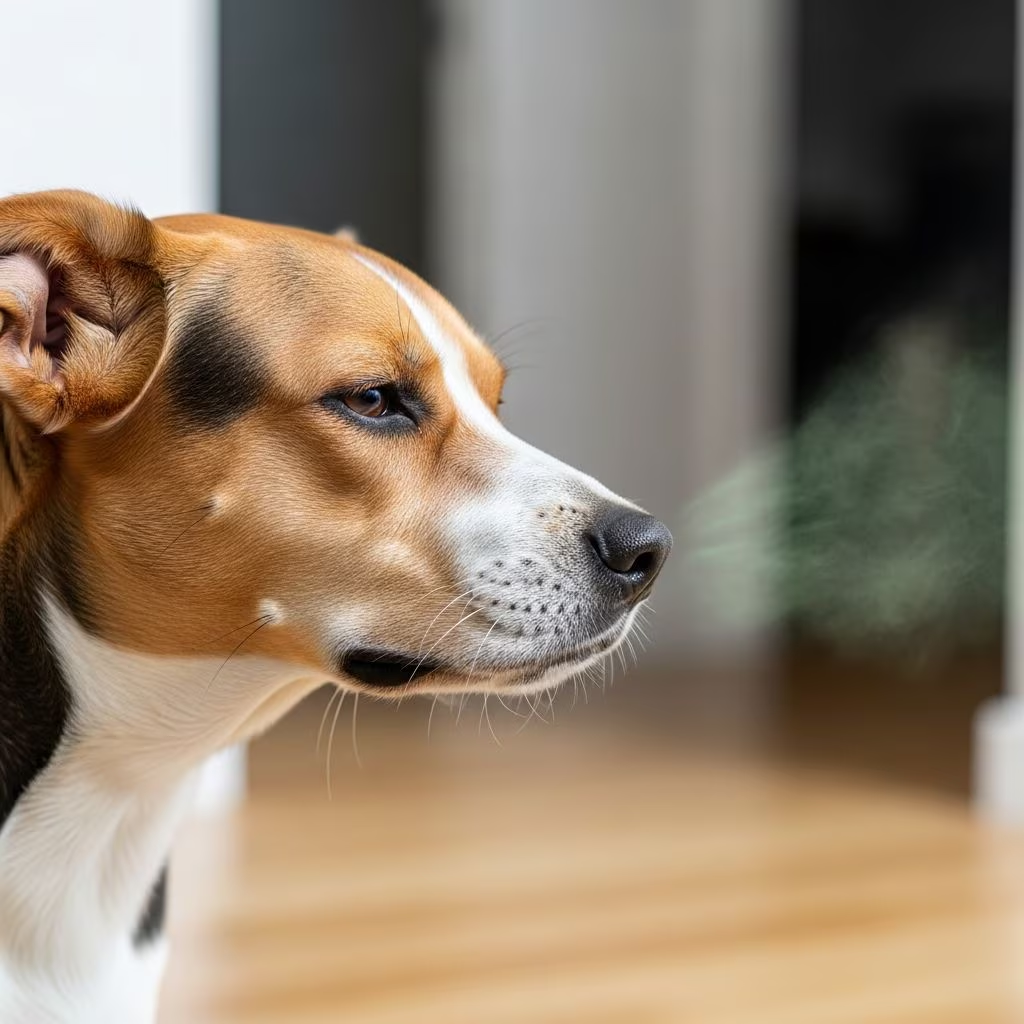
Dogs live in a rich world of smells. Odors that seem mild to humans can feel overwhelming or even painful to a dog, and some scents we enjoy are among the ones dogs hate the most. Understanding which smells are likely to bother your dog can help you create a calmer, safer home and avoid unintentionally stressing them out.
Why Smell Matters So Much to Dogs
A dog’s nose is not just stronger than ours; it is structured very differently and plays a larger role in how they understand the world.
- Huge smell center in the brain: The canine brain is smaller than the human brain overall, but the region devoted to olfaction is proportionally far larger than ours.
- Massive number of scent receptors: Humans have about 5–6 million smell receptors, while dogs have an estimated 125–300 million, depending on breed.
- Advanced scent processing: Dogs can separate and analyze odor layers in a way humans cannot, extracting information about other animals, food, and the environment from tiny traces of scent.
Because their nose is so sensitive, strong or irritating smells can be stressful, distracting, or even aversive for dogs, especially in enclosed spaces where odors linger.
How Dogs Experience Scents (Including the Ones They Hate)
Dogs do not react to odors only because of intensity; context and experience also matter.
- Some smells are physically irritating to their sensitive mucous membranes.
- Some odors are linked to negative experiences (like vet visits or harsh cleaning sessions).
- Other scents may simply be overwhelming when concentrated indoors.
Research suggests dogs also form preferences for certain smells, and may show avoidance when odors are too strong or associated with stress. At the same time, mild fragrances such as lavender, when used safely, have been associated with calm behavior in some shelter dogs.
Common Scents Dogs Hate or Find Overwhelming
Individual dogs vary, but there are several categories of smells that many dogs dislike or avoid. Some are only mildly annoying, while others can irritate their eyes, nose, or airways.
Citrus Smells
Many dogs dislike the strong aroma of citrus fruits such as oranges, lemons, limes, and grapefruits. Commercial dog repellents sometimes use citrus-based formulations because of this aversion.
- Peels and essential oils from citrus can be especially intense.
- Citrus oils, if concentrated, can irritate a dog’s skin and mucous membranes.
However, some dogs are indifferent to citrus, and a few even appear curious about it, so citrus is not a guarantee of avoidance in every dog.
Vinegar and Strong Acids
Household vinegar has a sharp, sour odor. While it is commonly used as a cleaning agent, the strong acidic smell can be unpleasant or overwhelming to dogs.
- Used heavily indoors, it can leave the air saturated with a scent many dogs avoid.
- Spills or undiluted vinegar around food and bedding areas may cause a dog to hesitate before approaching.
If you use vinegar as a cleaner, good ventilation and rinsing can reduce lingering odor for your dog.
Alcohol-Based Products
Isopropyl alcohol (rubbing alcohol), strong hand sanitizers, and some disinfectant sprays have a harsh, chemical smell that can be aversive to dogs. Alcohol vapors can also irritate the eyes and upper airways in both humans and animals.
- Using alcohol-based cleaners or sanitizers right next to a dog’s face or bedding can be very uncomfortable for them.
- Allow surfaces to dry fully and keep products capped to minimize fumes.
Strong Spices and Hot Peppers
Chili peppers and other spicy ingredients produce volatile compounds, like capsaicin, that can strongly irritate the nose and eyes. Dogs are especially vulnerable because of their highly sensitive nasal tissues.
- Airborne spice particles from cooking can be uncomfortable.
- Direct exposure can lead to sneezing, pawing at the nose, and visible discomfort.
Spicy foods are not only unpleasant for most dogs but may also cause gastrointestinal upset, so they are best kept completely away from pets.
Harsh Household Cleaners
Many cleaning products combine strong synthetic fragrances, solvents, or bleach-like compounds that can be irritating to a dog’s nose and airways.
- Ammonia, bleach, and heavily perfumed detergents can be especially problematic in poorly ventilated areas.
- Because dogs are often close to the floor, they may inhale higher concentrations of residues and fumes near freshly cleaned surfaces.
Choosing milder, fragrance-free, or pet-labeled products, and airing out rooms after cleaning, can substantially reduce your dog’s exposure.
Very Strong Perfumes and Sprays
Perfumes, air fresheners, and heavily scented body products may smell pleasant to us but can overwhelm a dog. Dogs housed in odor-rich environments—like homes with frequent use of fragrance sprays—may be exposed to odors at levels humans barely notice.
- Strong body sprays and perfumes applied right before cuddling can be intense for a dog’s nose.
- Plug-in air fresheners or heavily scented candles can saturate the air over time.
Some dogs show avoidance behaviors around strongly scented humans or objects, such as turning their head away, moving to another room, or sneezing repeatedly.
Dog-Safe vs. Dog-Stressful Scents: Comparison Table
Not all noticeable smells are bad for dogs. Some gentle scents, when used carefully, may have neutral or even calming associations. Others, especially when concentrated, are more likely to be stressful or irritating.
| Type of scent | Examples | Typical dog response | Key considerations |
|---|---|---|---|
| Mild, calming plant scents | Lavender, chamomile | Associated with more resting and less barking in some shelter dogs when diffused carefully. | Use only pet-safe formulations, in low concentrations, with good ventilation. |
| Stimulating herbal scents | Rosemary, peppermint | Linked to more standing, movement, and vocalizing in shelter dogs in one study. | May be arousing rather than calming; avoid if your dog is anxious or easily overstimulated. |
| Citrus and acidic odors | Lemon, orange, vinegar | Commonly disliked; may cause avoidance or head turning. | Do not use concentrated oils on or near your dog; ventilate when cleaning. |
| Harsh chemicals and alcohols | Bleach, ammonia, rubbing alcohol | Often aversive and irritating to nose, eyes, and airways. | Use away from pets; keep dogs out of recently cleaned areas until dry and aired out. |
How Essential Oils and Fragrances Influence Dog Behavior
Research on how specific scents influence dog behavior is still limited, but some patterns have emerged from controlled studies and shelter observations.
Calming Scents: Lavender and Chamomile
A study of 55 shelter dogs exposed dogs to diffused lavender and chamomile and compared behavior to days with no added scent and days with other fragrances.
- Dogs around lavender and chamomile spent more time resting and less time moving.
- Barking and vocalization decreased in these conditions compared with days when stimulating scents were used.
These findings suggest that certain gentle plant-based scents may help support relaxation in some dogs, especially in stressful environments like shelters.
Stimulating Scents: Rosemary and Peppermint
In the same study, rosemary and peppermint were associated with more activity and vocalization.
- Dogs exposed to these scents spent more time standing and moving around.
- Such scents may be arousing rather than calming, and might not be ideal for already anxious or reactive dogs.
Dogs’ Own Preferences and Experiences
Another study examining canine smell preferences found that dogs tended to interact more with certain mild, plant-based scents—such as mint, rose, and lavender—suggesting that these odors were at least not unpleasant to them under the test conditions.
- Positive or neutral reactions do not mean every dog will enjoy these smells at home.
- Negative early experiences (for example, a stressful first bath with a strongly scented shampoo) can lead to lasting aversion to that scent.
Dogs also have a natural tendency to modify or mask their own scent, which may be one reason they roll in strong-smelling materials outdoors; this behavior does not always align with human ideas of what smells “good.”
When Strong Scents Become a Welfare Issue
Constant exposure to strong or irritating smells can contribute to stress in dogs, especially when they cannot leave the area. This can be a subtle but important welfare concern in homes and shelters.
- Shelter environments: Disinfectants, other animals, and confined spaces create complex odor conditions that may be stressful.
- Home environments: Regular use of heavy perfumes, air fresheners, and aggressive cleaning routines may overload a dog’s nose.
- Medical sensitivity: Dogs with respiratory issues, allergies, or eye problems may be especially affected by strong smells.
While more research is needed, paying attention to your dog’s behavior around particular odors—moving away, sneezing, squinting, or appearing agitated—can guide you in reducing problematic scents.
Practical Tips for Using Scent Safely Around Dogs
You do not need a completely odor-free home, but thoughtful choices can help protect your dog’s comfort.
- Go mild and unscented when possible: Choose fragrance-free or lightly scented cleaners, laundry detergents, and personal products when your dog spends a lot of time near them.
- Ventilate after cleaning: Open windows or use fans so strong chemical or vinegar smells can dissipate before your dog re-enters the area.
- Avoid spraying near your dog’s face: Never spray perfumes, air fresheners, or cleaning products directly on or near your dog.
- Be cautious with essential oils: Only use dog-safe products, in very low concentrations, and never apply undiluted oils to your pet without veterinary guidance.
- Provide a scent-safe retreat: Make sure your dog has access to a room or space with minimal artificial scent where they can rest.
Frequently Asked Questions (FAQs)
Q: Do all dogs hate the same scents?
No. While many dogs dislike strong citrus, chemical, or spicy odors, individual preferences vary. Some dogs may ignore smells others find overwhelming, and prior experiences strongly shape how a dog reacts to a particular scent.
Q: Can I use scent to keep my dog away from certain areas?
Mild aversive scents, such as diluted citrus or vinegar, may discourage some dogs from approaching certain spots, like trash bins or furniture. However, they are not guaranteed to work for every dog, and highly concentrated or irritating products should not be used, as they can cause discomfort rather than gentle deterrence.
Q: Are essential oil diffusers safe to use around dogs?
Diffusers can expose dogs to airborne oils that may irritate their respiratory system or cause other health issues if used in high concentrations or with toxic oils. If you use a diffuser, choose dog-safe oils only, run it in a well-ventilated area, and always allow your dog to leave the room. Consult your veterinarian before using essential oils regularly around pets.
Q: Which scents might help calm an anxious dog?
In research with shelter dogs, lavender and chamomile were associated with more resting and reduced barking compared with days when no added scents or stimulating aromas were used. That said, reactions can differ, and scent alone is not a substitute for a comprehensive behavior and veterinary plan.
Q: How can I tell if a scent is bothering my dog?
Signs a smell may be too strong include sneezing, squinting or pawing at the face, turning the head away, leaving the room, excessive licking of the nose, or sudden agitation when a product is used. If you see these behaviors, reduce or eliminate the scent and provide fresh air.
References
- Canine Smell Preferences—Do Dogs Have Their Favorite Scents? — D. J. Jezierski et al., Animals (Basel). 2022-06-23. https://pmc.ncbi.nlm.nih.gov/articles/PMC9219509/
- Essential Oils and Dogs: How Scent Influences Behavior — Kinship. 2021-06-15 (approx. article date). https://www.kinship.com/dog-behavior/essential-oils-and-dogs-how-scent-influences-behavior
- Most Dogs Hate the Smell of Citrus — Kinship. 2021-03-01 (approx. article date). https://www.kinship.com/dog-behavior/most-dogs-hate-smell-citrus
- Dogs and Their Sense of Smell — American Kennel Club. 2021-08-03. https://www.akc.org/expert-advice/dog-breeds/dogs-and-their-sense-of-smell/
- Behavioral Effects of Olfactory Stimulation in Dogs — I.J. Wells, Applied Animal Behaviour Science. 2009-01-15. https://doi.org/10.1016/j.applanim.2008.09.011



