

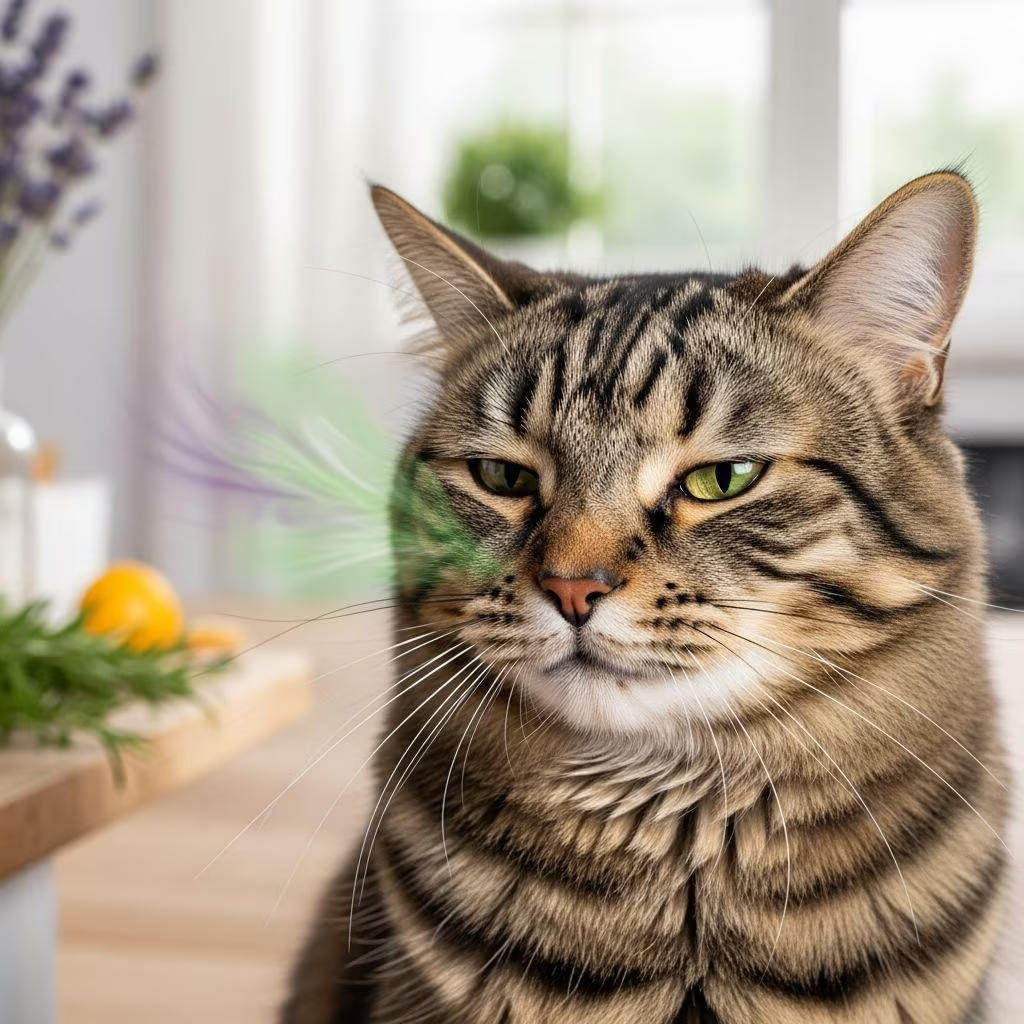
Cats possess an extraordinary sense of smell, far superior to humans, with up to 200 million odor receptors compared to our mere 5 million. This heightened olfactory ability allows them to navigate their world, communicate, and detect dangers, but it also means certain scents can be overwhelmingly repulsive or even toxic to them. Understanding scents cats hate helps cat parents create a comfortable environment, deter unwanted behaviors, and avoid health risks.
In this guide, we draw insights from cat behavior expert Dr. Mikel Delgado, who emphasizes that every cat responds differently due to individual preferences. While some smells act as natural repellents, others pose serious dangers, particularly artificial fragrances and essential oils. We’ll cover the most common offensive odors, safe alternatives, and practical tips for scent management in your home.
Why Cats Have Such a Powerful Sense of Smell
A cat’s nose is a superpower. Their olfactory epithelium covers a vast area, enabling them to detect pheromones, food, and threats with precision. Dr. Delgado notes that cats use scent marking to claim territory, leaving cues like ‘I was here yesterday’ without risky confrontations. This sensitivity makes them adept hunters but vulnerable to strong human scents.
Food smells universally attract cats, triggering gustatory appeal. However, artificial or overpowering odors can cause avoidance, stress, or respiratory irritation. Cats groom extensively, ingesting scents from their fur, which amplifies risks from toxic volatiles.
Top Scents Cats Hate
Here are the most notorious scents that send cats running, backed by expert observations and behavioral studies:
- Citrus: Lemons, oranges, and limes emit sharp, acidic notes that cats find intolerable. Often used as garden deterrents, though effectiveness varies per cat.
- Perfumes and Colognes: Synthetic fragrances in personal care products overwhelm delicate noses, prompting retreat.
- Air Fresheners and Plug-Ins: Products like Glade release continuous artificial odors, mimicking litter box cover-ups instead of proper cleaning.
- Burning Incense and Scented Candles: Smoke, soot, and volatile organic compounds (VOCs) irritate airways; paraffin candles release benzene and toluene.
- Essential Oils: Tea tree, eucalyptus, peppermint, cinnamon, pine, clove, and citrus oils are toxic due to cats’ inability to metabolize certain compounds efficiently.
- Banana and Strong Fruits: Unusual but reported as highly aversive by some cats.
- Heavy Cleaning Products: Ammonia-based cleaners mimic urine, causing confusion or distress.
These scents don’t just annoy; they can lead to watery eyes, sneezing, coughing, or toxicity symptoms like drooling, vomiting, and lethargy.
The Dangers of Scented Candles for Cats
Scented candles combine fire hazards with chemical risks. Cats’ curiosity leads to knocked-over flames, burns, or wax ingestion. Even unscented varieties produce soot and VOCs harmful to sensitive lungs.
| Candle Type | Risks for Cats | Alternatives |
|---|---|---|
| Paraffin | Benzene, toluene release; heavy soot | Soy or beeswax (unscented) |
| Strongly Scented | Respiratory irritation, essential oil toxicity | Air purifiers |
| Metal-Core Wick | Heavy metal emissions | Cotton wick only |
Yankee Candles, while popular, often use paraffin and strong oils, making them unsuitable for cat homes, especially with poor ventilation or respiratory issues like feline asthma.
Essential Oils: A Hidden Threat
Aromatherapy trends appeal to humans but endanger cats. Dr. Delgado warns against it due to scant evidence of benefits and high toxicity risks. Cats lack glucuronyl transferase enzymes to break down phenols and other compounds in oils like tea tree or eucalyptus.
- Short-term: Irritation, wheezing, room avoidance.
- Long-term: Buildup causing tremors, appetite loss.
- Ingestion via grooming exacerbates issues.
Even diffused oils settle on fur, leading to absorption. Skip cat-specific ‘aromatherapy’ unless vet-approved and minimally dosed.
Safe Scents Cats Love
Not all smells repel—some delight! Introduce these gradually for enrichment:
- Catnip: Activates dopamine; 60-70% of cats respond. Mint family member, safe in moderation.
- Silver Vine (Matatabi): More potent than catnip; up to 80% response rate. Kiwi family.
- Valerian Root: Earthy scent mimics pheromones for some cats.
- Tatarian Honeysuckle: Mild, appealing wood-like aroma.
- Food Scents: Tuna, chicken—universal attractants.
Dr. Delgado recommends cat-safe products: powders, toys, or tea balls/socks for controlled exposure. Avoid artificial scents entirely.
How to Introduce New Scents Safely
- Start Small: Use pet-store discs or powders in a sock.
- Observe Reactions: Positive—rolling, rubbing; negative—fleeing, hissing.
- Rotate Options: Test catnip, silver vine, valerian.
- Check Plant Safety: Use ASPCA lists for non-toxic greenery.
- Ventilate: Ensure good airflow post-introduction.
Plants like catnip provide nibbling pleasure, but supervise to prevent overindulgence.
Cleaning Without the Smells Cats Hate
Ditch masking agents for true odor elimination:
- Enzyme Cleaners: Anti-Icky Poo breaks down proteins in accidents.
- Unscented Products: Natural, fragrance-free options.
- Air Purifiers: HEPA filters remove VOCs effectively.
- Frequent Litter Scooping: Prevents buildup; no need for fresheners.
For gardens, citrus peels may deter mildly, but combine with physical barriers for reliability.
Frequently Asked Questions
What scents should you never use around cats?
Avoid tea tree, eucalyptus, peppermint, cinnamon, citrus, pine, and clove essential oils; synthetic perfumes; and paraffin candles. These cause irritation or toxicity.
Are scented candles safe for cats?
No, especially scented ones. Opt for unscented soy in well-ventilated areas, but air purifiers are safer.
Why do cats hate citrus smells?
The pungent, acidic volatiles overwhelm their sensitive receptors, acting as a natural repellent.
Is catnip safe for all cats?
Yes, but only 60% respond. It’s non-addictive and safe; silver vine suits non-responders.
Can I use lavender around my cat?
Some tolerate it mildly, but essential oil forms are risky. Stick to food-safe or vet-approved.
How do I clean cat urine without strong smells?
Use enzyme cleaners like Anti-Icky Poo to neutralize, not mask, odors.
By respecting your cat’s nose, you foster trust and well-being. Prioritize clean, scent-minimal homes with targeted enrichments for a purring companion.
References
- Everything You Need to Know About Your Cat’s Sense of Smell — Kinship (Dr. Mikel Delgado interview). 2023. https://www.kinship.com/cat-behavior/cats-sense-of-smell
- Are Scented Candles Bad for Cats? — Kinship. 2023. https://www.kinship.com/uk/cat-health/are-scented-candles-bad-for-cats
- Catnip and Silver Vine Response in Cats — Peer-reviewed research (via Kinship/Dr. Delgado). 2023. https://www.kinship.com/cat-behavior/cats-sense-of-smell



