

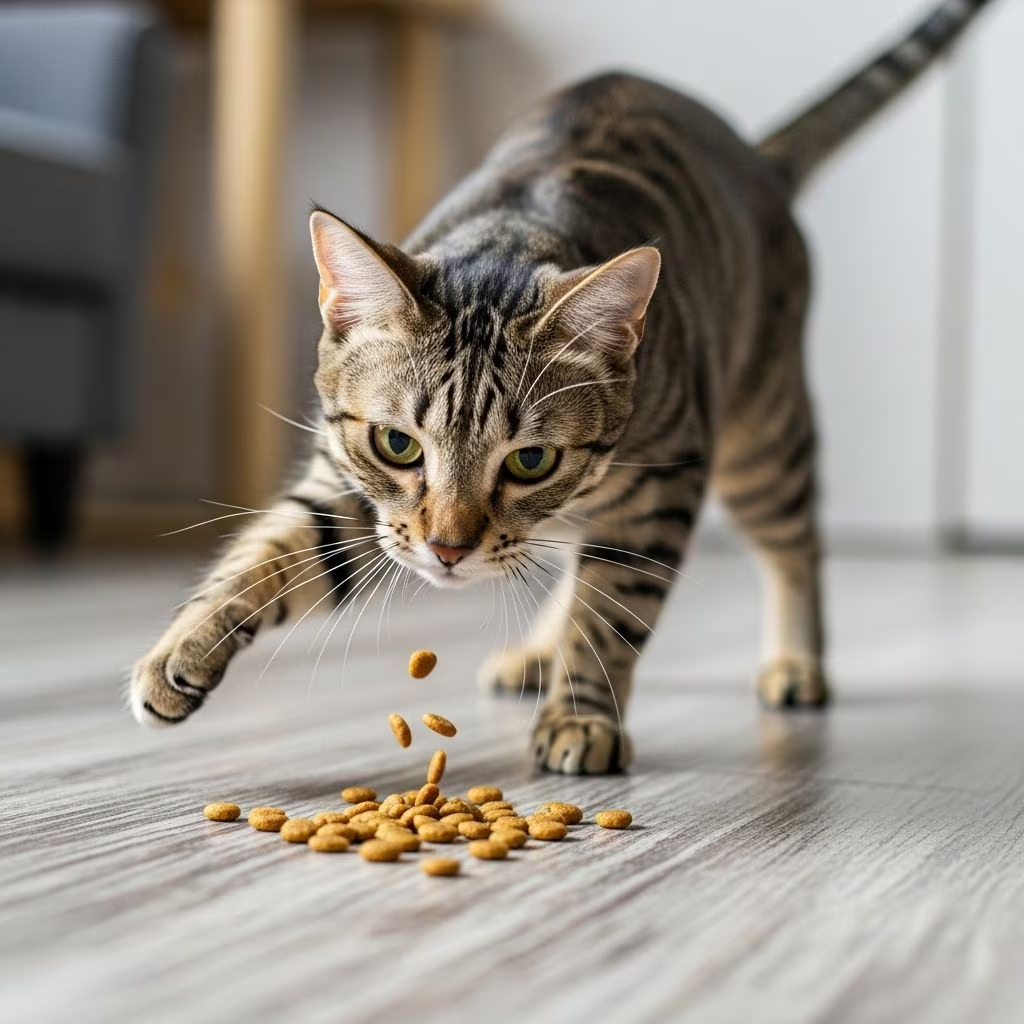
Keeping indoor cats entertained, enriched, and properly fed presents unique challenges for many pet owners. Cats, as natural hunters, thrive on activities that stimulate their instincts rather than passive bowl feeding. One effective solution is scatter feeding, a method that turns routine mealtimes into engaging foraging sessions. By scattering dry kibble across floors, furniture, or elevated surfaces, owners can mimic the hunt, slow down rapid eaters, ensure fair portions in multi-cat households, and significantly reduce common issues like regurgitation and obesity.
This approach not only promotes physical activity but also provides mental stimulation, helping combat boredom—a frequent concern for indoor-only cats. In households with multiple cats, where competition at food bowls leads to stress and unequal eating, scatter feeding levels the playing field. Cats must explore and search, extending meal times from mere minutes to up to 30 minutes or more, fostering a more natural eating rhythm.
What Is Scatter Feeding?
Scatter feeding involves forgoing traditional food bowls for dry cat food and instead dispersing a pre-measured portion across various surfaces in a safe, accessible area. For example, sprinkle kibble on the floor, chairs, cat trees, scratching posts, or even window sills. This setup encourages cats to prowl, pounce, and precisely pick up each piece, replicating the predatory sequence of stalking, chasing, and capturing prey.
In practice, owners like those with five cats measure the total daily dry food allowance—such as Royal Canin Gastrointestinal Hairball formula, chosen for its suitability for sensitive stomachs and long-haired breeds—and distribute it evenly. This not only prevents dominant cats from monopolizing bowls but also slows intake, drastically cutting regurgitation incidents caused by gulping. For wet food alternatives, spreading it thinly on a large baking tray achieves similar effects without the mess of tossing it around.
The beauty lies in its simplicity and bonus perks, like fewer dishes to clean. Leftover kibble can even become a treat for other pets, such as dogs, adding a fun interspecies dynamic. However, avoid scattering under low furniture to prevent hard-to-reach pieces that might spoil or attract pests.
Why Scatter Feed?
Scatter feeding addresses several key behavioral and health issues rooted in feline biology. Domestic cats descend from skilled hunters like the African wildcat, yet bowl feeding delivers meals effortlessly, leading to boredom and unnatural habits. By spreading food, owners reintroduce the ‘work-for-food’ element, engaging natural instincts and transforming feeding into an enriching activity.
Primary benefits include:
- Reducing regurgitation: Fast eating from competition or excitement causes many cats to vomit undigested food. Scattering physically slows them down, allowing proper chewing and digestion.
- Fair access in multi-cat homes: No single cat can hoard; everyone hunts independently, minimizing bullying and stress.
- Mental and physical enrichment: Searching at various levels (floor, elevated spots) provides exercise and cognitive challenges, ideal for indoor cats lacking outdoor stimulation.
- Preventing stress-related behaviors: Routine bowl feeding can frustrate cats’ need for control, leading to over-grooming, aggression, or house-soiling. Scatter methods restore predatory balance.
Veterinary observations confirm that predictable twice-daily bowls disrupt cats psychologically, unlike the variable hunting cycles of wild ancestors. Multi-cat strategies like separate stations or vertical feeding further reduce tension.
It Can Also Help Prevent Obesity
Obesity affects many indoor cats due to free-feeding—leaving bowls down all day encourages grazing, akin to humans snacking on cheesecake from the fridge. Cats overeat calories without realizing it, leading to weight gain, diabetes, and joint issues.
Scatter feeding counters this by enforcing portion control: measure exact amounts per meal, scatter, and remove remnants after 20-30 minutes. Cats take longer to consume, feeling fuller longer via slower gastric emptying and better satiety signals. They rarely beg between meals, unlike with constant bowl access. Studies on feline nutrition emphasize measured feeding to maintain ideal body condition, especially since indoor lifestyles reduce energy expenditure.
In one anecdotal case with multiple cats, scatter feeding eliminated daytime begging, with some kibble left uneaten—highlighting how it curbs overconsumption without deprivation. For weight management, combine with play-before-meals to simulate complete hunts: play to exhaustion, then feed scattered portions.
Alternatives to Scatter Feeding
While scatter feeding excels for dry food, alternatives suit varied needs or wet diets. Puzzle feeders and food-dispensing toys challenge cats mentally but falter in multi-cat setups—more motivated cats dominate, leaving others hungry.
Options include:
- Puzzle bowls or balls: Rollable toys release kibble as cats bat them, promoting play. Best for singles or supervised pairs.
- Window perches with treat drops: Place food near bird-watching spots to pair foraging with natural hunting gazes.
- Lick mats for wet food: Spread pate thinly for slow licking, mimicking grooming-prey contact.
- DIY trails: Create paper tunnels or box mazes lined with kibble for added adventure.
However, scatter feeding’s accessibility trumps toys for groups, avoiding motivation disparities. Vertical options like cat trees ensure shy cats access food without confrontation.
Practical Tips for Successful Scatter Feeding
To implement effectively:
- Measure precisely: Calculate per-cat calories based on age, weight, and activity (e.g., 20-30 kcal/lb body weight daily, split into meals).
- Choose safe zones: Kitchen floors, laundry rooms—easy-clean, no carpets. Vary surfaces for novelty.
- Monitor dynamics: Watch for bullying; provide heights or separate rooms if needed.
- Start slow: Mix scattered with bowl feeding to acclimate finicky eaters.
- Clean promptly: Vacuum remnants to avoid bacteria or pests.
For high-energy cats, incorporate scent games: hide kibble progressively harder. This boosts mental health, reducing anxiety in indoor environments.
Frequently Asked Questions (FAQs)
What food is best for scatter feeding?
Dry kibble like hairball-control formulas works best—small, durable pieces. Wet food suits trays, not floors.
Is scatter feeding safe for kittens or seniors?
Yes, adjust portions and monitor. Kittens benefit from play; seniors from slowed eating.
Does it work with one cat?
Absolutely—still slows eating and enriches.
Can it replace all meals?
Ideal for dry; supplement wet for hydration. Consult vets for medical diets.
What if my cat ignores scattered food?
Hunger drives participation; add enticers like tuna juice initially.
Scatter feeding revolutionizes cat care, blending health, behavior, and fun seamlessly.
References
- Scatter Feeding Cats – Making Mealtimes More Interesting & Longer — Catster. 2023. https://www.catster.com/felines-weekly/scatter-feeding-cats/
- Feeding for Function: The Science Behind Feline Behaviour and Therapeutic Nutrition — Vet Nurse. 2025-05-21. https://vetnurse.com.au/2025/05/21/feeding-for-function-the-science-behind-feline-behaviour-and-therapeutic-nutrition/
- Uncontrolled Outdoor Access for Cats: An Assessment of Risks and Benefits — PMC (National Library of Medicine). 2020-02-20. https://pmc.ncbi.nlm.nih.gov/articles/PMC7070728/



