

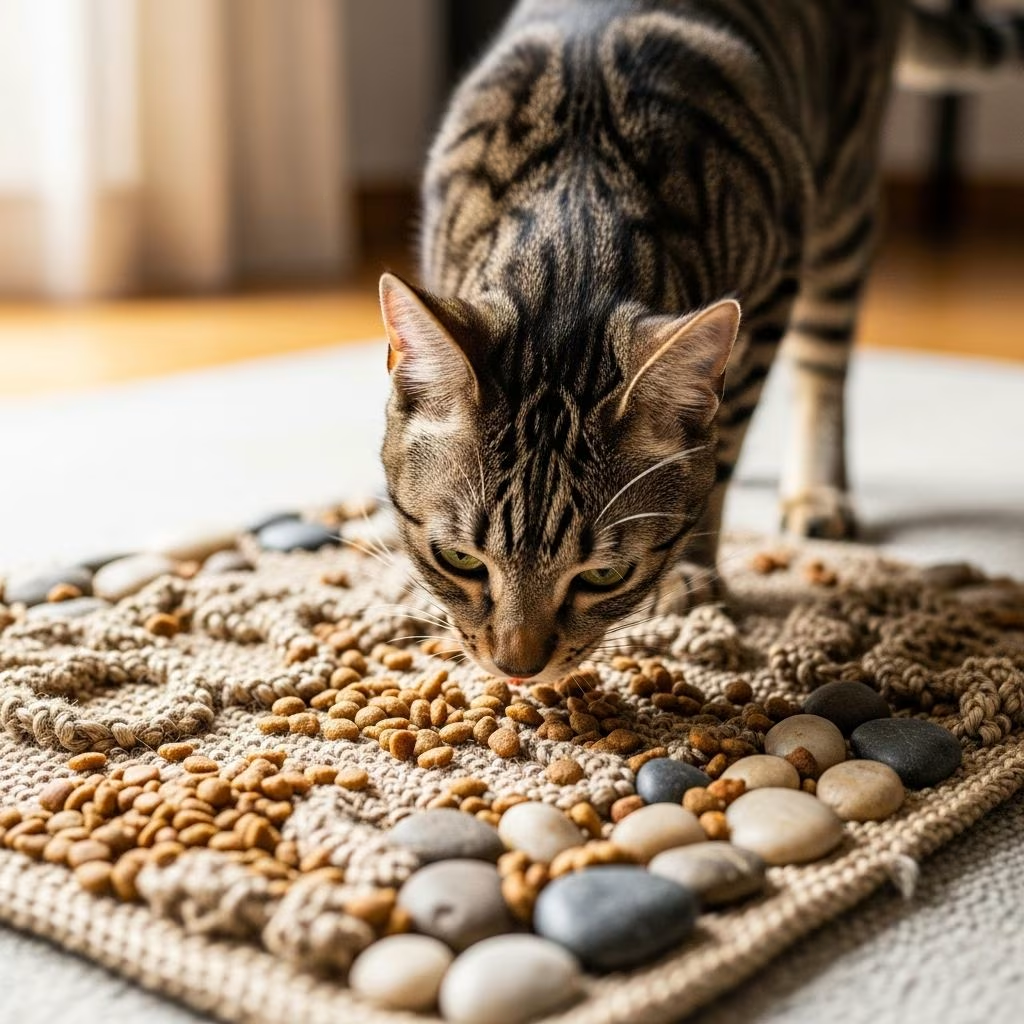
Scatter Feeding Cats: Making Mealtimes More Interesting and Longer
One of the most common challenges cat owners face is finding ways to keep their feline companions entertained, enriched, and properly nourished. Traditional bowl feeding can lead to a variety of problems, from excessive competition among multi-cat households to rapid eating that causes regurgitation and digestive issues. Scatter feeding offers a simple yet highly effective solution that transforms mealtime from a five-minute frenzy into a leisurely half-hour feast. This innovative approach not only addresses behavioral and health concerns but also taps into your cat’s natural hunting instincts, providing mental stimulation that indoor cats desperately need.
What Is Scatter Feeding?
Scatter feeding is exactly what the name suggests: instead of serving your cat’s food in a traditional bowl, you measure out their daily or meal portion and distribute it across various surfaces throughout your home. This might include spreading kibble across the floor, on chairs, window sills, or even on their scratching platforms. The concept is straightforward, yet the benefits are remarkable.
Rather than placing all food in one location where cats can quickly consume it, scatter feeding encourages cats to explore their environment actively. What might otherwise be a five-minute feeding session becomes a 20 to 30-minute activity as your cats search for and locate individual pieces of food. This extended feeding period has cascading positive effects on their physical health, behavior, and overall well-being.
For cat owners with multiple felines, scatter feeding eliminates the need for separate feeding stations while still allowing each cat to eat at their own pace. There’s no need for complicated logistics or strict scheduling—simply measure the appropriate total amount for all your cats and distribute it strategically around your home.
Why Scatter Feed? The Core Benefits
Reducing Competition and Regurgitation
One of the most significant advantages of scatter feeding emerges in multi-cat households, particularly when one or more cats tend to be greedy or competitive at mealtimes. In traditional feeding scenarios, cats perceive their meal as a limited resource that must be consumed quickly before a rival cat claims it. This competitive instinct drives rapid eating, which is the leading cause of regurgitation in cats.
When food is scattered across multiple locations, the competitive dynamic disappears. Each cat focuses on finding and eating the pieces near them rather than rushing to consume as much as possible before their housemate intervenes. By removing the sense of scarcity and competition, scatter feeding significantly reduces the likelihood of regurgitation, a problem that troubles countless cat owners and their veterinarians.
Engaging Natural Hunting Instincts
Domestication has softened many of our cats’ wild instincts, but they remain descendants of highly skilled hunters. Serving meals twice daily in a bowl can become tedious and unstimulating for these naturally curious predators. Scatter feeding taps into these dormant hunting behaviors, transforming a passive feeding experience into an active foraging adventure.
By spreading food across a wider area and at various heights, you’re essentially creating a mini hunting ground within your home. Cats must search, stalk, and locate their food—activities that mirror natural predatory behavior. This mental engagement provides valuable enrichment that helps alleviate boredom, reduce stress, and promote overall psychological well-being. For indoor cats especially, this form of enrichment is invaluable in combating the monotony of indoor life.
Preventing Obesity Through Extended Feeding
One of the most prevalent health issues veterinarians encounter in domestic cats is obesity stemming from free-feeding practices. When bowls remain filled throughout the day with the option of grazing, cats consume far more calories than necessary. This “cheesecake in the fridge” phenomenon—where constant availability leads to excessive consumption—is a primary driver of feline weight gain.
Scatter feeding addresses this problem elegantly by combining portion control with extended eating duration. You measure out precisely the amount your cat should consume at each meal, but the act of searching for scattered kibble takes considerably longer than eating from a bowl. This extended feeding window creates a sense of satiety that tricks your cat’s digestive system into feeling fuller for longer periods. The result is that cats are less likely to beg for additional food between meals and more likely to maintain a healthy weight.
The key is to remove any uneaten food after 20 minutes. While this might seem counterintuitive, cats quickly learn to eat their fill during the designated feeding window. Once they understand that food becomes unavailable after this period, they adjust their eating behavior accordingly and stop expecting snacks throughout the day.
Practical Implementation of Scatter Feeding
Getting Started
Implementing scatter feeding requires minimal preparation. Begin by measuring out your cat’s total daily or meal portion—the same amount you would normally place in a bowl. Then, simply distribute this measured amount across different surfaces in your home. Safe scatter locations include:
- Kitchen and dining room floors
- Living room areas
- Chairs and furniture (on washable surfaces)
- Scratching posts and cat trees
- Window sills
- Under tables and desks
One important caveat: avoid scattering food under low furniture where pieces might become lost or inaccessible. You should be able to locate and remove all scattered kibble during cleanup.
Food Type Considerations
Scatter feeding works best with dry kibble, which remains intact and doesn’t create mess during extended feeding periods. Wet or canned food presents practical challenges—it can dry out, attract insects, or create difficult cleanup situations. If you feed wet food, an excellent alternative is to spread portions across a large, flat baking tray rather than scattering directly on surfaces. This contains the food while still providing the foraging experience and extended feeding duration that benefits your cats.
Multi-Cat Households and Feeding Dynamics
Scatter feeding shines particularly bright in homes with multiple cats, but success requires understanding feline social dynamics. Cats are naturally solitary creatures who prefer eating in private without the stress of another cat’s presence. For multi-cat households, scatter feeding across different locations helps address this instinctive need.
Beyond simple food distribution, consider implementing additional strategies to reduce feeding-related stress:
- Place feeding stations in different rooms or areas completely out of sight and smell range of other cats
- Create vertical feeding options by placing some food on elevated surfaces for one cat while another eats at floor level
- Watch carefully for subtle stress indicators such as resource guarding, silent bullying (blocking doorways or sitting in front of other cats), or meal-skipping behavior
- Monitor for stress-related health issues like inappropriate toileting or house-soiling, which often stem from feeding anxiety
These approaches work synergistically with scatter feeding to create a low-stress feeding environment that respects each cat’s need for privacy and security during meals.
Beyond Basic Benefits: Additional Advantages
The advantages of scatter feeding extend beyond the obvious health and behavioral improvements. Many cat owners discover unexpected bonuses when they transition to this feeding method.
For homes with other pets, particularly dogs, scatter feeding can help manage mixed-species feeding dynamics. A bonus advantage emerges when you have non-feline companions willing to clean up any uneaten kibble, reducing waste and simplifying cleanup routines.
The extended feeding duration also means cats aren’t hovering around the food bowl or owner, asking for additional meals immediately after eating. This independence gives owners more freedom during feeding times and reduces the behavioral cues that trigger incessant food-begging.
Important Considerations and Potential Challenges
While scatter feeding offers numerous benefits, cat owners should be aware of some potential challenges. In multi-cat households with varying motivation levels, you might find that some cats eagerly search for scattered kibble while others show little interest in the foraging game. Additionally, some cats may struggle to understand how to locate food across multiple locations, particularly if they’ve been fed from bowls their entire lives.
Food puzzles and interactive toys offer alternatives when cats aren’t motivated by basic scatter feeding. However, success rates vary among individual cats. Some cats find puzzle feeders engaging and rewarding, while others lack the motivation or cognitive ability to work the mechanisms.
The solution lies in observation and flexibility. Try scatter feeding with your individual cats to see which respond positively. Combine scatter feeding with other enrichment methods to create a comprehensive feeding strategy tailored to your cats’ specific personalities and preferences.
Frequently Asked Questions
Q: Will scatter feeding create a mess in my home?
A: When done correctly, scatter feeding creates minimal mess. Measure portions carefully, avoid scattering under low furniture, and use washable surfaces. Cleanup is straightforward—simply remove any uneaten kibble after 20 minutes and wipe surfaces if needed.
Q: Can I scatter feed wet or canned food?
A: While possible, wet food is not ideal for traditional scatter feeding. Instead, spread wet food across a large, flat baking tray or shallow dish to contain it while still providing the foraging and extended feeding benefits.
Q: How long does scatter feeding take?
A: Scatter feeding typically extends mealtimes from 5 minutes to 20-30 minutes, depending on how widely you distribute the food and your cats’ motivation levels.
Q: What if my cats don’t seem interested in scattered food?
A: Some cats take time to adjust to scatter feeding. Start by scattering food closer together and gradually spread it wider. You can also combine scatter feeding with interactive toys or puzzle feeders to increase engagement.
Q: Is scatter feeding suitable for all cats?
A: Scatter feeding works well for most cats, but individual preferences vary. Senior cats or those with mobility issues might find traditional bowls easier. Observe your specific cats to determine the best feeding approach for their needs.
Q: How does scatter feeding help with obesity?
A: By combining measured portions with extended feeding duration, scatter feeding promotes satiety. Cats feel fuller for longer, reducing between-meal begging and overall caloric intake without restricting food availability during meal times.
Q: Can scatter feeding help with aggressive feeding behaviors?
A: Yes, scatter feeding reduces competition in multi-cat households by eliminating the perceived scarcity that drives aggressive or rapid eating behaviors. Cats focus on locating food rather than competing for it.
References
- Scatter Feeding Cats – Making Mealtimes More Interesting & Longer — Catster. 2025. https://www.catster.com/felines-weekly/scatter-feeding-cats/
- Feeding for Function: The Science Behind Feline Behaviour and Therapeutic Nutrition — Vet Nurse Australia. 2025-05-21. https://vetnurse.com.au/2025/05/21/feeding-for-function-the-science-behind-feline-behaviour-and-therapeutic-nutrition/
- The Power of Scatter Feeding for Pet Enrichment — Rest Your Paws. 2025. https://restyourpaws.com.au/pets/try-scatter-feeding-to-boost-mental-stimulation-and-digestion/



