
Scarlet-Chested Parakeet: Care, Personality & Guide
Complete guide to scarlet-chested parakeets: personality, diet, care requirements, and breeding information.
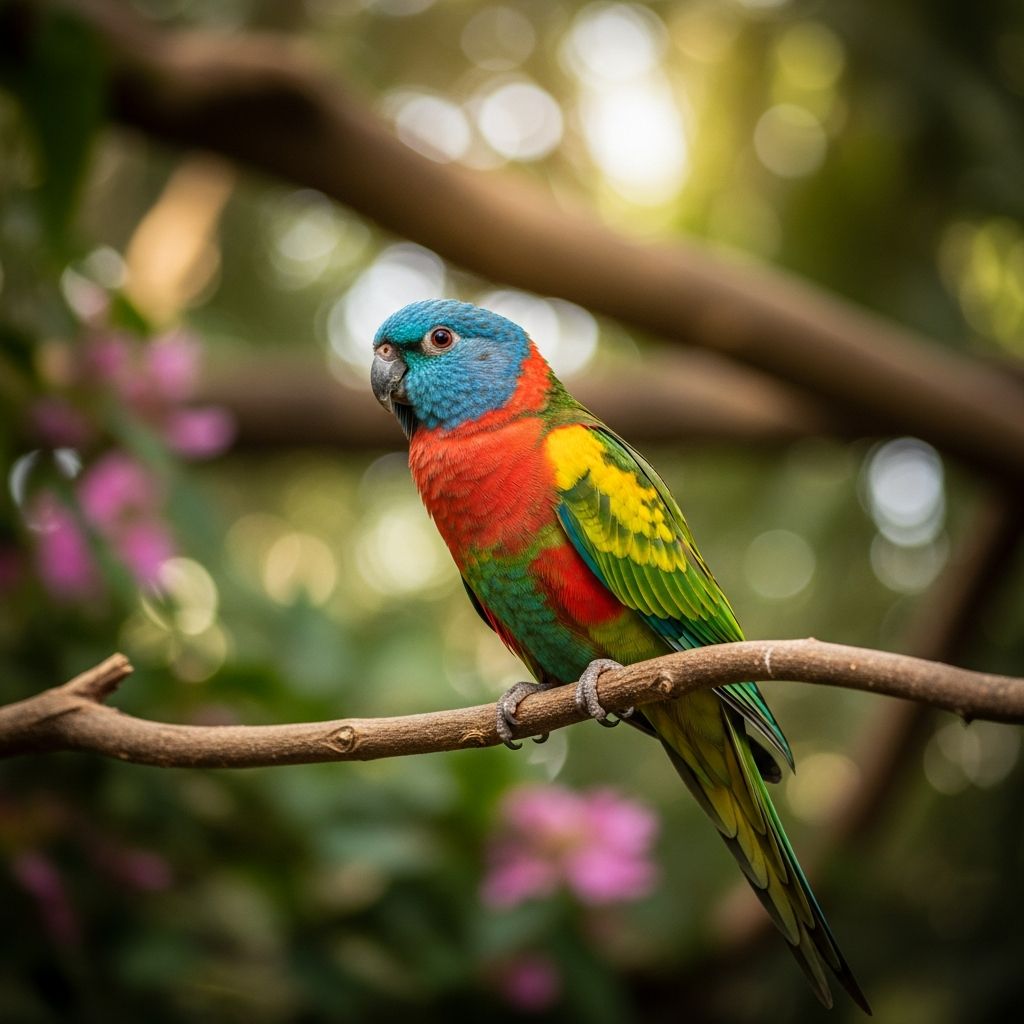
Scarlet-Chested Parakeet: A Complete Guide to Care and Personality
The scarlet-chested parakeet, scientifically known as Neophema splendida, stands as one of Australia’s most captivating avian species. These small, vibrantly colored parakeets have captured the hearts of bird enthusiasts worldwide, combining breathtaking plumage with a gentle and introverted personality. Also known as the splendid parrot, scarlet-breasted parrot, or orange-throated parrot, these remarkable birds offer unique companionship for those seeking quieter aviary inhabitants. Behind the male’s dazzling display of blue, red, and green hues lies a surprisingly docile nature that, with proper care and patience, can make for rewarding pet bird experiences.
Physical Description and Sexual Dimorphism
The scarlet-chested parakeet is a small but striking bird, measuring 19–21 centimeters (approximately 8 inches) in length. What makes this species particularly interesting is its pronounced sexual dimorphism, meaning males and females display distinctly different colorations. Males are the showstoppers of the species, featuring a brilliant scarlet or bright red chest paired with a cobalt-blue face and vibrant green upperparts. The lower breast and underparts display a sunny yellow coloration, while the wing coverts showcase a delicate pale blue hue. The tail remains green, complementing the overall rainbow effect. Their eyes are dark brown, and their bill is blackish with brown-grey legs.
Females, while equally beautiful in their own right, display more subtle earthy tones. They possess green upperparts and a green breast rather than the scarlet found on males, with yellow underparts similar to their male counterparts. The blue on their face is present but less extensive than in males. Immature birds are duller versions of their respective adult forms, with young males beginning to develop red plumage on their chest around two to three months of age, though they do not achieve their complete red chest coloration until approximately fifteen to eighteen months old.
Native Habitat and Natural Range
The scarlet-chested parakeet is endemic to central South Australia and inland southern Western Australia, with populations distributed across the arid regions of Australia. These birds are highly nomadic, regularly moving throughout the Great Victoria Desert region and into adjacent areas in search of more favorable living conditions. This nomadic lifestyle is closely tied to environmental factors, as the birds will migrate in response to food availability and water sources.
One of the most remarkable adaptations of wild scarlet-chested parakeets is their ability to survive in arid environments with limited access to freshwater. Rather than relying solely on drinking water, these resourceful birds utilize succulent plants, particularly species like Calandrinia, to meet much of their fluid requirements. This adaptation allows them to thrive in some of Australia’s most inhospitable regions. In the wild, they are most commonly sighted in spinifex grasslands, where they forage for their primary food source.
Diet and Nutritional Requirements
In their natural habitat, scarlet-chested parakeets sustain themselves primarily on grass seeds, supplemented by flowers, fruits, and insects. This seed-based diet is crucial to their nutritional profile and must be replicated as closely as possible in captivity to maintain optimal health.
For companion scarlet-chested parakeets, a balanced diet should include:
- High-quality pellets as a nutritional foundation
- A quality seed mix formulated for small parakeets
- Millet spray as an occasional treat and enrichment tool
- Sprouted seeds for enhanced nutritional value
- Fresh fruits in moderation, with caution regarding high-sugar varieties
- A variety of fresh vegetables daily
- Live foods such as mealworms during breeding season for extra protein
It is important to note that some high-sugar fruits, such as bananas and grapes, should be offered sparingly, as scarlet-chested parakeets are susceptible to fungal infections and these fruits may promote fungal growth. Fresh water should be provided daily, maintained in clean dishes within the cage. These birds show a preference for bathing in shallow water dishes or on wet foliage, so providing opportunities for water play supports their natural behaviors and maintains feather health.
Housing and Environmental Requirements
Proper housing is essential for the well-being of scarlet-chested parakeets. These birds thrive best in spacious flight cages or aviary-type setups that allow for adequate movement and exercise. For breeding pairs, a minimum flight size of 30 inches by 30 inches is recommended, though larger accommodations are always preferable.
Environmental conditions require special attention, as scarlet-chested parakeets originating from arid Australian climates are particularly vulnerable to excessive cold and humidity. These birds should be protected from drafts, temperature fluctuations, and high humidity levels. Maintaining warm and dry conditions is crucial for preventing health complications. The aviary should provide natural sunlight or full-spectrum lighting, as some scarlet-chested parakeets are inclined to spread out their feathers to catch rays of sunlight, a behavior that supports vitamin D synthesis and overall well-being.
Personality and Behavioral Characteristics
While scarlet-chested parakeets initially attract attention through their stunning visual appeal, many potential owners assume these birds are primarily aviary birds best observed from a distance. However, this assumption overlooks their genuine capacity for companionship. These parakeets can make excellent companions when approached with gentleness, patience, and consistent positive interactions.
The temperament of scarlet-chested parakeets has been consistently described as gentle and docile. They are not aggressive birds and tend to be somewhat cautious in their interactions. Hand-raised birds may learn to accept food from their keeper’s hand, establishing basic trust, though they generally are not inclined to frequent handling like some more interactive species. Their quiet nature and manageable size make them suitable for apartment living and make excellent first birds for those seeking a more observational, peaceful companion rather than a highly interactive pet.
These parakeets are peaceful and typically mix well with non-aggressive finches and other small grasskeet species, making them suitable candidates for small bird aviaries. However, they should not be housed with aggressive species or larger hookbills that might intimidate or harm them.
Vocalizations and Sound Characteristics
One of the most appealing characteristics of scarlet-chested parakeets is their relatively quiet demeanor compared to many other parrot species. These birds belong to the genus Neophema, which as a group are notably quieter than parrots of similar size. Scarlet-chested parakeets typically engage in soft, melodious chattering among themselves rather than producing loud contact calls.
When vocalizing, their sounds are generally described as repetitive chirping rather than loud squawks or screams. Males will sing a quiet, subtle song to entice their mates during breeding season. However, when alarmed or threatened, these birds can produce a much higher-pitched call as a warning signal. Their overall quiet nature makes them compatible with noise-sensitive living environments and neighbors, distinguishing them favorably from louder parrot species.
Breeding and Reproductive Behavior
Scarlet-chested parakeets have established breeding patterns in both wild and captive settings. In the wild, the breeding season typically occurs from August to October or following significant rainfall events. The frequency of breeding depends heavily on environmental conditions, with birds potentially raising one or two broods per year depending on rainfall patterns and food availability.
For nesting, these parakeets utilize hollow cavities in small trees, particularly mulga and eucalypt species. A typical clutch consists of four to six round white eggs measuring approximately 23 by 19 millimeters. In captivity, with appropriate environmental conditions and proper nutrition, scarlet-chested parakeets readily breed. The female carries green leaves to the nest tucked in her rump feathers, a fascinating behavioral adaptation that aids in nest preparation and maintenance.
Health Considerations and Potential Conditions
While generally hardy birds when provided with appropriate care, scarlet-chested parakeets are thought to be more vulnerable to Candida infections in captivity when exposed to excessive cold or humidity. This vulnerability is directly attributed to their evolutionary adaptation to arid Australian habitats, where warm, dry conditions are the norm. To minimize fungal infection risk, aviculturists often recommend:
- Maintaining consistently warm, dry environmental conditions
- Avoiding high-humidity environments that promote fungal growth
- Limiting high-sugar fruits that may promote fungal proliferation
- Ensuring proper ventilation in the bird’s enclosure
- Regular monitoring for signs of respiratory distress or illness
- Maintaining clean water and food dishes daily
Regular veterinary check-ups with an avian specialist are recommended to ensure early detection and treatment of any health issues.
Conservation Status in the Wild
According to BirdLife International, the scarlet-chested parakeet maintains a very large range throughout its native Australian habitat. The species exhibits a fluctuating population that does not meet the threshold for classification as vulnerable. The population trend is categorized as stable, indicating that while numbers may fluctuate seasonally or annually in response to environmental conditions, the species maintains a sustainable presence in the wild. This stable status reflects the birds’ successful adaptation to their arid environment and their ability to exploit resources across their expansive range.
Color Mutations in Captivity
In avicultural settings, scarlet-chested parakeets have produced several recognized color mutations, adding to their appeal among breeders and collectors. Common mutations include the red-fronted, par blue, and sea green variations. Some mutations, such as the grey and violet, are autosomal dominant, meaning they can be inherited from either parent and combined with other color variations. The blue mutations represent some of the most complex genetic variations, with several incompletely dominant blue mutations creating such variants as seagreen (aqua), turquoise, and white-front blue. Careful selective breeding has created birds with stunning alternative colorations while maintaining the species’ desirable behavioral traits.
Frequently Asked Questions About Scarlet-Chested Parakeets
Q: How long do scarlet-chested parakeets live?
A: Scarlet-chested parakeets can live up to 20 years in captivity when provided with proper care, nutrition, and environmental conditions. This relatively long lifespan makes them a long-term commitment for potential owners.
Q: Are scarlet-chested parakeets good pets for beginners?
A: Yes, scarlet-chested parakeets can be excellent first birds due to their quiet temperament, small manageable size, gentle disposition, and adaptability to apartment living. However, they require proper care, nutrition, and appropriate housing.
Q: How much space do scarlet-chested parakeets need?
A: A minimum flight cage of 30 inches by 30 inches per pair is recommended, though larger aviaries are preferable. They should have adequate space to move, fly short distances, and exercise regularly.
Q: Can scarlet-chested parakeets be housed with other birds?
A: Yes, they are peaceful birds that mix well with non-aggressive finches and other small grasskeet species. However, they should not be housed with aggressive species or larger hookbills that might intimidate them.
Q: What temperature and humidity conditions do they prefer?
A: Scarlet-chested parakeets prefer warm, dry conditions that replicate their native arid Australian habitat. They are vulnerable to excessive cold and humidity, which can predispose them to fungal infections.
Q: How do I encourage breeding in captive scarlet-chested parakeets?
A: Provide appropriate nesting boxes, maintain proper nutrition including live foods, ensure comfortable temperatures, and minimize stress. Breeding typically occurs from August to October or after environmental triggers like rainfall.
References
- Scarlet-Chested Parakeet Personality, Food & Care — Lafeber Company. 2024. https://lafeber.com/pet-birds/species/scarlet-chested-parakeet/
- Scarlet-chested parrot – Facts, Diet, Habitat & Pictures — Animalia.bio. https://animalia.bio/scarlet-chested-parrot
- Scarlet-chested parrot — Wikipedia. https://en.wikipedia.org/wiki/Scarlet-chested_parrot
- Splendid Parrot Care: Scarlet Chested Traits & Guide — Pets4Homes. https://www.pets4homes.co.uk/pet-advice/splendid-parrot-scarlet-chested-parrot.html
- Scarlet-chested Parrot – Bird Buddy — My Bird Buddy. https://app.mybirdbuddy.com/birds/scarlet-chested-parrot/d6cdc8fe-a2d1-4b0f-a229-9ba1996fe3c1
Similar Articles








Read full bio of Sneha Tete


