

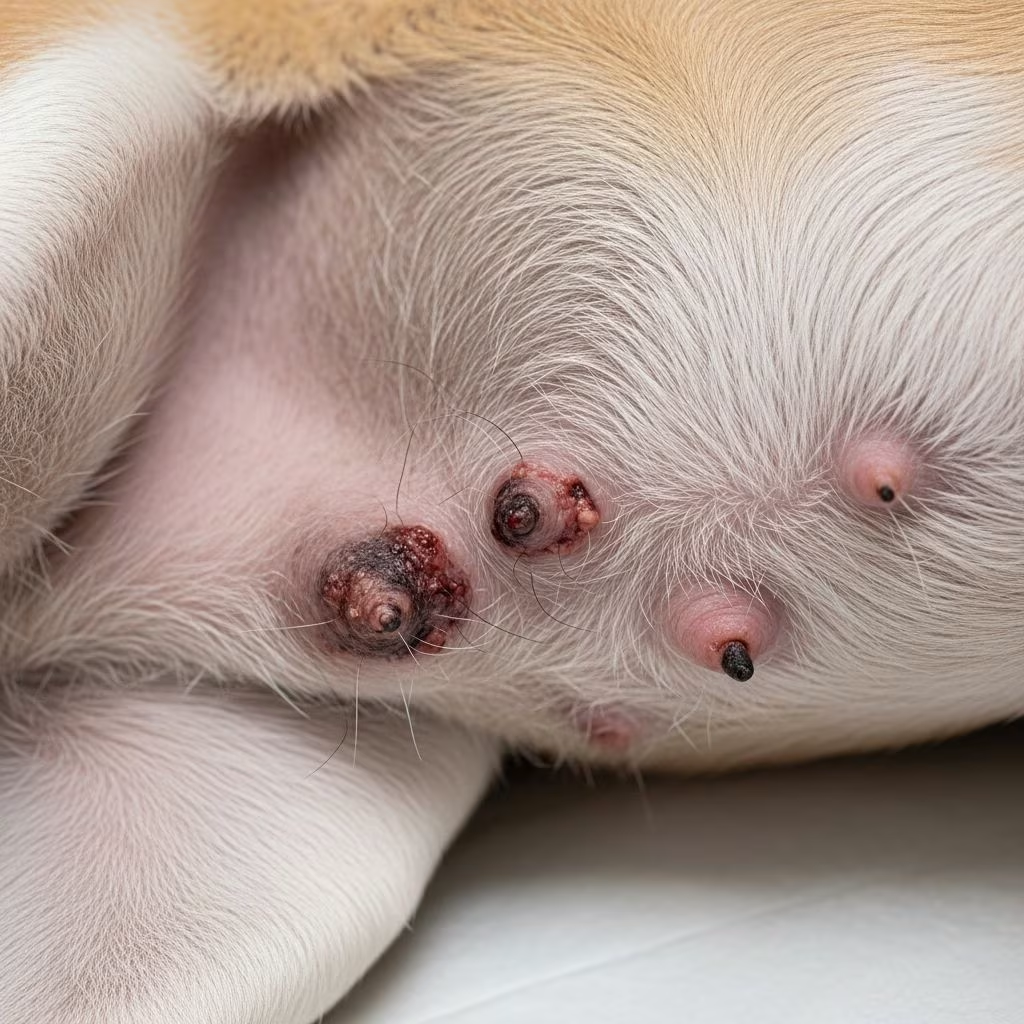
Scabs forming on a dog’s nipples can signal various underlying health issues, ranging from minor irritations to serious infections or tumors. Prompt identification and veterinary care are essential to prevent complications and ensure your pet’s comfort.
Understanding Scabs on Canine Nipples
Scabs develop when the skin’s surface dries and hardens after injury, infection, or irritation, acting as a natural barrier during healing. In dogs, nipples are particularly vulnerable due to their exposure and sensitivity, especially in females. While many cases resolve with basic care, persistent or widespread scabs warrant professional evaluation to rule out systemic problems.
Common Triggers for Nipple Scabs
Several factors can lead to crusty formations around a dog’s nipples. These include environmental reactions, parasitic activity, microbial overgrowth, and reproductive-related conditions.
- Allergic Reactions: Dogs often suffer from flea allergies, pollen sensitivities, or food intolerances, causing intense itching that leads to self-trauma and secondary crusting.
- Parasitic Infestations: Mites like those causing sarcoptic mange burrow into the skin, provoking scratches that form scabs; these can spread to humans.
- Bacterial and Yeast Overgrowth: Repeated licking introduces bacteria or yeast, such as Malassezia, resulting in moist, odorous lesions that crust over.
- Fungal Conditions: Rare but possible ringworm infections mimic other dermatoses, appearing as circular, crusted patches.
Mammary Gland Disorders Linked to Scabs
Female dogs, particularly unspayed ones, face heightened risks for mammary-specific problems manifesting as nipple scabs.
Mastitis: A Bacterial Threat
Mastitis involves glandular inflammation, often bacterial, triggered by nursing trauma or poor hygiene. Affected glands swell, redden, and develop painful ulcers topped with scabs; milk may appear pus-like. Untreated, it can lead to sepsis.
Phantom Pregnancies
Hormonal imbalances post-heat cycle cause false lactation, swelling glands prone to cracking and scabbing from overproduction without puppies to nurse.
Tumorous Growths
Mammary lumps, benign or malignant, erode skin leading to ulcerated scabs. Early detection via palpation is crucial, as cancers spread rapidly in intact females.
Recognizing Accompanying Symptoms
Beyond visible crusts, monitor for:
- Excessive licking or rubbing at the area.
- Hair loss, redness, or bumpy textures nearby.
- Swollen, hot, or discolored glands.
- Behavioral shifts like lethargy, fever, or appetite loss.
- Discharge from nipples, bloody or purulent.
These signs help differentiate benign healing from progressive disease.
Risks and Complications of Ignoring Scabs
| Condition | Potential Risks | Zoonotic? |
|---|---|---|
| Allergies/Infections | Chronic skin damage, spread | No |
| Sarcoptic Mange | Severe itching, hair loss | Yes |
| Ringworm | Patchy baldness | Yes |
| Mastitis | Sepsis, puppy risk | No |
| Mammary Tumors | Metastasis, poor prognosis | No |
Zoonotic threats like mange and ringworm necessitate family precautions, including handwashing and isolating the dog.
Diagnostic Approaches by Veterinarians
Vets employ a multi-step process:
- Physical Exam: Palpation for lumps, skin assessment.
- Cytology: Scraping or milk sampling under microscope for cells/bacteria.
- Culture/Sensitivity: Lab tests pinpoint pathogens and effective drugs.
- Imaging/Biopsy: Ultrasound or tissue samples for tumors.
Treatment Strategies for Nipple Scabs
Care tailors to the cause:
- Topical Therapies: Medicated shampoos, sprays for allergies/infections.
- Systemic Medications: Antibiotics for bacteria, antifungals for yeast/ringworm.
- Mastitis Management: Warm compresses, hand-milking every 6 hours, cabbage wraps to reduce swelling, plus IV fluids if severe.
- Surgical Interventions: Tumor excision, often curative for benign cases.
- Preventive Measures: Flea control, hypoallergenic diets, spaying to avert mammary issues.
Home Care Tips While Awaiting Vet Visit
Gently clean scabs with saline, prevent licking via cone collar, and apply vet-prescribed ointments. Avoid home remedies like hydrogen peroxide, which delay healing.
Preventing Recurrence of Nipple Issues
- Spay before first heat to slash mammary cancer risk by 99%.
- Maintain flea prevention year-round.
- Regular grooming and hygiene checks.
- Balanced diet minimizing allergens.
- Monthly skin inspections, especially post-pregnancy.
Frequently Asked Questions (FAQs)
Are scabs on dog nipples always serious?
Not always; minor trauma heals naturally, but persistent ones need vet checks.
Can male dogs get nipple scabs?
Yes, from allergies or infections, though less common than in females.
How long do scabs take to heal?
1-2 weeks with treatment; longer signals complications.
Is mastitis contagious to humans?
No, but handle affected pups carefully.
Should puppies nurse from scabbed nipples?
Only if vet-approved; otherwise, hand-express milk.
Long-Term Monitoring for Skin Health
Post-treatment, schedule follow-ups and track changes via photos. Spaying intact females dramatically reduces future mammary woes, promoting longevity.
References
- Mastitis in Dogs — VCA Animal Hospitals. 2023. https://vcahospitals.com/know-your-pet/mastitis-in-dogs
- Dog Scabs on Nipples: Causes, Symptoms & Care (Vet Answer) — Hepper. 2024. https://articles.hepper.com/dog-scabs-on-nipples-vet-answer/
- Mammary (breast) problems in dogs: an overview — PDSA. 2024. https://www.pdsa.org.uk/pet-help-and-advice/pet-health-hub/symptoms/mammary-problems-in-dogs-an-overview
- Mastitis in Dogs – Symptoms, Causes, Diagnosis, Treatment — WagWalking. 2024. https://wagwalking.com/condition/mastitis



