

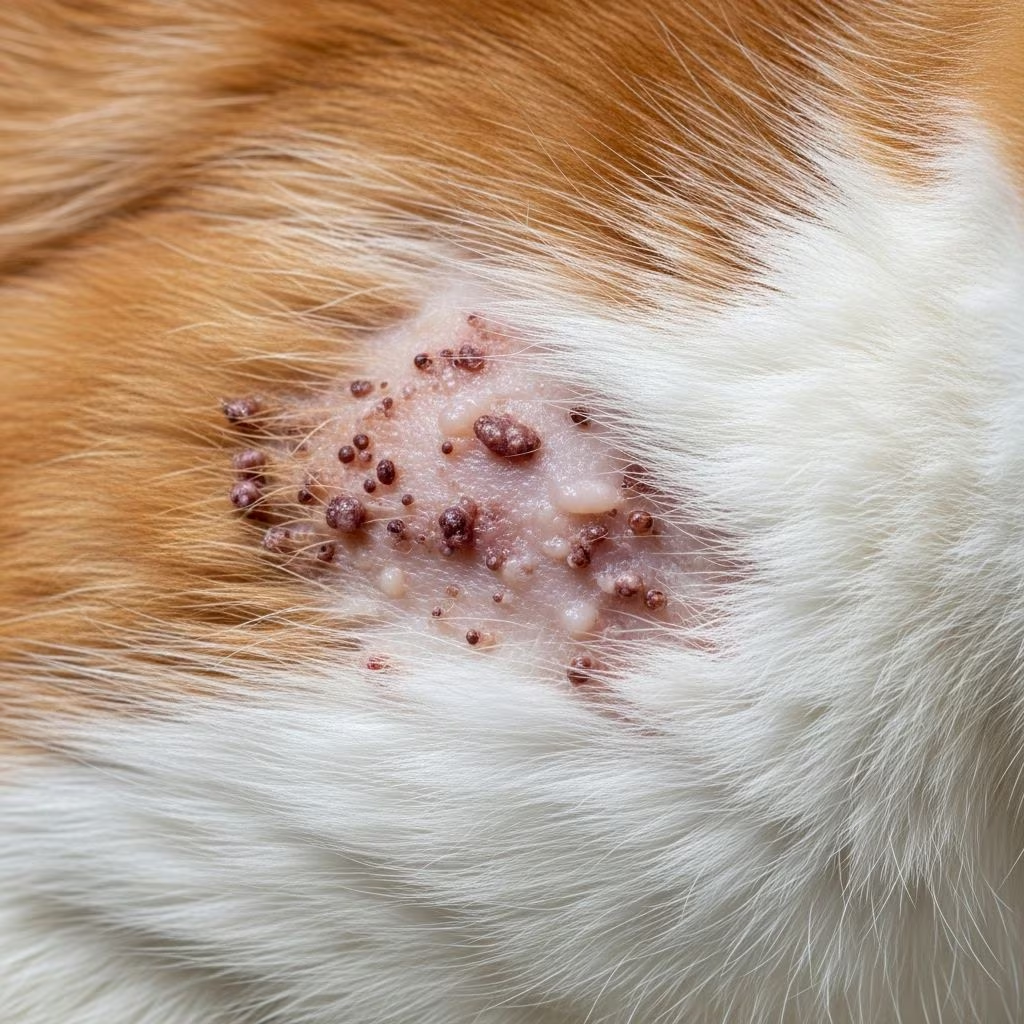
Feline miliary dermatitis, often called scabby cat disease, manifests as itchy, crusty skin lesions primarily triggered by flea allergies, though other factors contribute. Early recognition and targeted interventions can alleviate discomfort and prevent complications.
Recognizing the Signs of Scabby Skin in Cats
Cats with this condition typically exhibit intense itching, leading to excessive grooming, scratching, or biting at affected areas. The rash evolves into small, millet seed-like scabs, most noticeable along the lower back, base of the tail, face, ears, neck, flanks, and belly.
- Primary symptoms: Tiny red bumps topped with crusts, hair thinning or loss in patches.
- Behavioral changes: Restlessness, over-grooming, or twitching when touched.
- Advanced signs: Secondary infections causing pustules, thickened dark skin, or open sores.
In severe instances, the skin becomes hypersensitive, where mere contact provokes a reaction, exacerbating hair loss and potential bacterial overgrowth.
Common Triggers Behind Scabby Cat Skin
While fleas top the list, multiple culprits can provoke this allergic response. A single flea bite suffices for hypersensitive cats due to saliva proteins.
| Trigger | Description | Prevalence |
|---|---|---|
| Fleas | Allergic reaction to bite saliva; even one flea triggers severe response. | Most common |
| Mites (ear, skin, chiggers) | Parasites burrowing or irritating skin follicles. | Common |
| Allergies (food, pollen) | Reactions to proteins in diet or environmental pollen/dust. | Frequent |
| Infections (ringworm, bacteria) | Fungal or bacterial invasions worsening lesions. | Occasional |
| Other (lice, ticks, nutrition) | Parasites or dietary shortfalls. | Rare |
Food allergies often target head and neck, while environmental ones mimic flea patterns. Contact allergies remain uncommon in felines.
Why Fleas Remain the Leading Culprit
Flea bite hypersensitivity affects genetically predisposed cats profoundly. The flea’s saliva introduces allergens, sparking an immune overreaction that inflames skin within hours. Indoor cats aren’t immune; a flea can hitch a ride via owners or visitors.
Even without visible fleas, “flea dirt” (dark specks turning red with water) confirms infestation. Vigilant prevention proves essential year-round.
Diagnostic Approaches for Accurate Identification
Veterinarians start with a thorough exam, parting fur to reveal scabs. Key tests include:
- Skin scrapings/cytology: Detect mites, bacteria, or fungi.
- Flea combing: Collects parasites or dirt for confirmation.
- Allergy trials: Food elimination diets (8-12 weeks) or intradermal testing for environmental allergens.
- Biopsies: Rule out immune or hormonal issues in persistent cases.
Differential diagnoses encompass psychogenic alopecia from stress or pain-related licking, emphasizing holistic evaluation.
Treatment Strategies: From Home Remedies to Vet Interventions
Treatment hinges on the root cause, combining parasite control, symptom relief, and allergy management. Never use dog products, as they can toxify cats.
Parasite Eradication
Topical or oral flea preventives (e.g., selamectin, fluralaner) target all life stages. Treat the environment: vacuum daily, wash bedding in hot water.
For mites, prescription dips, injections, or meds like ivermectin (dose carefully).
Symptom Relief and Skin Healing
- Topicals: Medicated shampoos, steroid sprays, or antihistamine creams reduce itch.
- Oral meds: Short-term steroids or cyclosporine for inflammation; antibiotics for infections.
- Humidifiers/omega-3 supplements: Support skin barrier.
Home care: Oatmeal baths soothe; avoid essential oils.
Allergy-Specific Therapies
Hypoallergenic diets with novel proteins (e.g., duck) or hydrolyzed formulas identify food triggers. Immunotherapy shots desensitize to environmental allergens.
Prevention: Keeping Scabs at Bay
Proactive measures minimize recurrence:
- Monthly flea preventives for all pets.
- Regular vet check-ups and hypoallergenic food trials if allergies suspected.
- Stress reduction via enrichment toys, pheromone diffusers.
- Nutrient-rich diet supporting skin health.
Monitor for early signs; prompt action averts chronic issues.
When to Seek Immediate Veterinary Help
Rush to the vet if scabs spread rapidly, pus appears, appetite drops, or lethargy sets in—signaling infection or systemic involvement.
Frequently Asked Questions (FAQs)
Can scabby skin resolve without treatment?
Rarely; untreated cases worsen, risking infections. Address the cause promptly.
Is miliary dermatitis contagious?
No, but fleas/ringworm are. Isolate if parasites suspected.
How long until improvement post-treatment?
1-2 weeks for parasites; allergies may take months. Consistency key.
Are over-the-counter flea treatments safe?
Not always; consult vet to avoid toxicity.
Does diet change help all cases?
Only food allergy-related; test via elimination.
Long-Term Management for Chronic Cases
Cats with atopic dermatitis benefit from ongoing antihistamines, fatty acid supplements, and allergen avoidance. Regular grooming prevents dirt buildup.
Track progress with photos; adjust plans with vet input for optimal outcomes.
References
- Miliary Dermatitis — Scabby Cat Disease | Tucson Vets — VSCOT. 2023-12-15. https://www.vscot.com/site/blog/2023/12/15/scabby-cat
- Miliary Dermatitis in Cats | VCA Animal Hospitals — VCA Hospitals. n.d. https://vcahospitals.com/know-your-pet/feline-miliary-dermatitis
- Scabby Cat Disease: How to Treat Feline Miliary Dermatitis — Vet Referral Center. 2023-04-15. https://www.vetreferralcenter.com/site/blog/2023/04/15/scabby-cat-disease-treat-feline-miliary-dermatitis
- Remedies for Cat Scabs — WebMD. n.d. https://www.webmd.com/pets/cats/remedies-cat-scabs
- Feline Miliary Dermatitis – Cat Conditions — WagWalking. n.d. https://wagwalking.com/cat/condition/feline-miliary-dermatitis
- Cat Skin Allergies: Types, Symptoms, and How Vets Treat Them — PetMD. n.d. https://www.petmd.com/cat/conditions/skin/cat-skin-allergies-types-symptoms-and-how-vets-treat-them



