

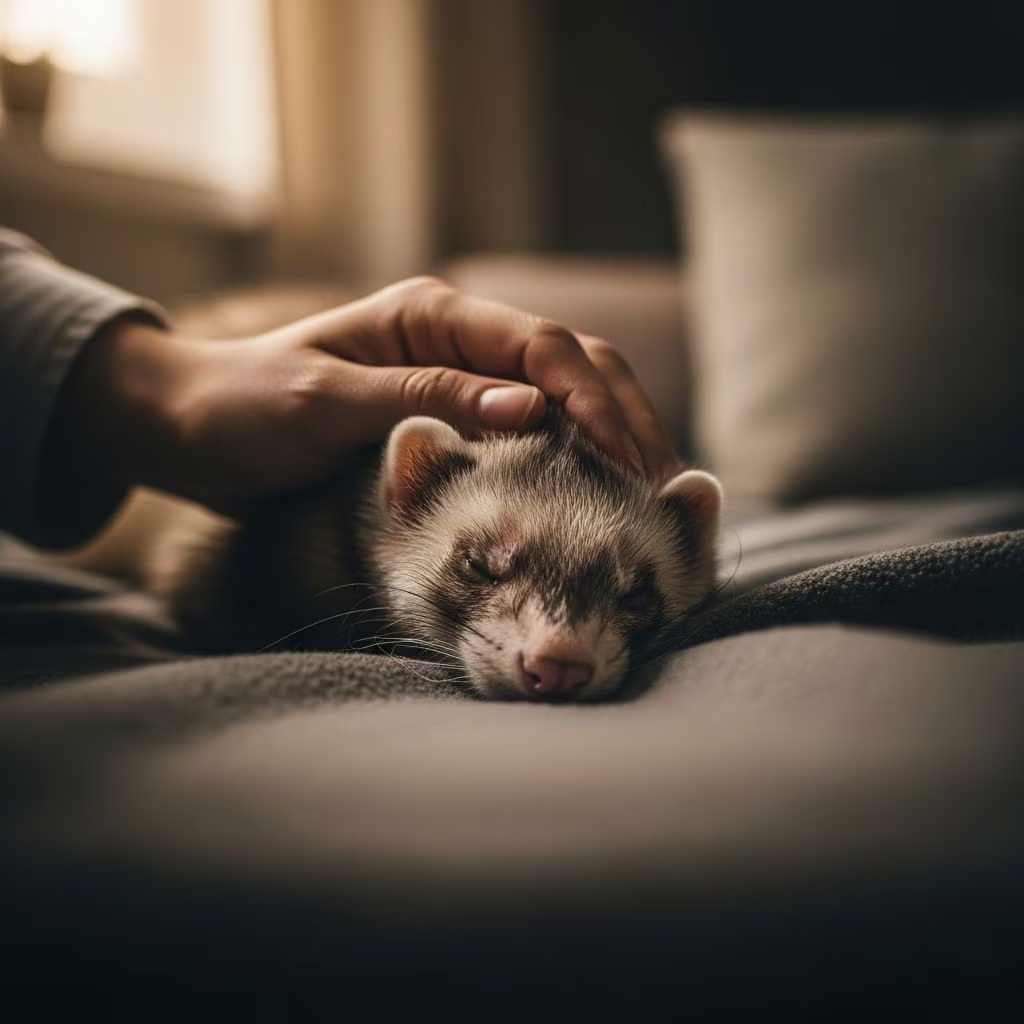
Saying Goodbye to an Ailing Ferret: A Comprehensive Guide to End-of-Life Care
As ferret owners, we cherish the playful antics and affectionate companionship our furry friends provide. However, like all beloved pets, ferrets eventually reach the twilight of their lives. A pet ferret’s average lifespan is 4-10 years in captivity with good health care, nutrition and protection. Understanding the signs of decline and knowing how to provide comfort during this difficult time can help you make informed decisions and ensure your ferret’s final days are as peaceful as possible.
Recognizing That a Ferret Will Soon Pass
Our first responsibility as ferret owners is to preserve life whenever possible. Anytime a ferret shows signs of illness, consulting a veterinarian should be your immediate priority. Many health problems can be resolved, and quality of life can be restored through proper medical intervention. Effective pain management has provided many ferrets with additional enjoyable months of life, and medication adjustments can keep your ferret comfortable during their senior years.
However, there will eventually come a time when nothing more can be done medically, and we must prepare to say goodbye. Learning to recognize the subtle signs that indicate your ferret is nearing the end of life is crucial for making informed end-of-life decisions.
Changes in Eating and Drinking Habits
One of the most significant indicators that a ferret is declining is a change in appetite and hydration patterns. Aside from traumatic or crisis situations, a ferret may simply decline to the point that it no longer eats or drinks. Lack of interest in food or water may be the first indication that a ferret’s need for nutrients has declined or stopped altogether.
If your ferret clamps its jaws and declines food and water, it is often best not to force-feed it. Instead, consult your ferret’s veterinarian to ask whether your pet should receive emergency care or if allowing natural decline is appropriate given the circumstances. Forcing food and water can cause distress and discomfort during this sensitive time.
Behavioral Changes and Activity Levels
As ferrets age, observable changes occur in their daily behavior and activity levels. Slowed movement, decreased playfulness, and increased sleeping are common signs of aging. However, when a ferret reaches the final stages of life, these changes become more pronounced and significant.
Your ferret may be sleeping much more than usual or appear lethargic and unresponsive while being handled. A dying ferret will usually allow itself to be wrapped in a blanket and held while most ferrets would only briefly tolerate this imposition. This dramatic shift in tolerance for human contact is a significant indicator of decline. A ferret usually does not resist being held at this point in its life unless being handled is painful to it.
Signs of Pain and Distress
If your ferret appears to be in pain or is lethargic and avoids being touched, it needs to be seen by its veterinarian immediately. Pain management becomes increasingly important during end-of-life care. Your veterinarian can assess your ferret’s condition and recommend appropriate pain relief options to ensure maximum comfort during the final stages.
Understanding the Dying Process
Once the process of death has begun and the organs begin to shut down, little can be done to change the course of events. When this happens, consult with your veterinarian for approval; you may then choose to allow your ferret to pass away with you at home. Understanding what to expect during this process can help reduce anxiety and allow you to be fully present with your beloved companion.
Physical Changes During the Final Hours
As your ferret approaches the end, several physical changes may occur. Your ferret’s breathing may become irregular and shallow. Fluids may begin to accumulate in the lungs causing what is known as a “death rattle.” This sound, while disturbing to witness, is a natural part of the dying process and does not cause discomfort to the animal.
As the heart and lung functions continue to diminish, your ferret’s body temperature will drop significantly. A dusky blue coloration may become noticeable around its mouth and nose area, paw pads, and possibly its tongue. These changes indicate that circulation is slowing and the body is shutting down.
Nervous System Changes
As the process continues, your ferret’s nervous system will be impacted. It will be less and less aware of its surroundings. Its eyes may appear pinched and the ability to blink or close its eyes will cease, as will its ability to swallow. Your ferret will become increasingly weaker as muscular function diminishes.
Brief Energy Surges
Some ferrets at the late stages of passing may encounter a brief burst of energy, wanting to walk or possibly just becoming a bit restless. This is a normal part of the dying process and is not an indication that a ferret’s condition is improving. Pet owners often find this confusing, but understanding that these bursts are typical can help you interpret your ferret’s final hours accurately.
The Final Moment
Once the heart stops, all muscles initially relax. A ferret’s bladder and bowel will empty and passing has occurred. There is no standard timeline for this process, and things may happen in different orders. The course of events may transpire within an hour or last what will seem like forever. This is an understandably difficult time for any pet owner.
Providing Comfort for a Ferret’s Final Hours
At this point in your ferret’s life, keeping your ferret comfortable is the best you can do for it. Creating a calm, peaceful environment and providing gentle care can ease your ferret’s transition and give you meaningful moments together.
Hydration and Nutrition
Offering water from your fingertip occasionally allows your ferret the option to lick a few drops if its mouth is dry without forcing it to drink if it doesn’t wish to drink. This gentle approach respects your ferret’s autonomy while ensuring its mouth doesn’t become uncomfortably dry. Never force fluids or food during this stage, as it can cause additional distress.
Temperature Regulation and Comfort
Keep your ferret wrapped in a blanket to conserve its body heat and keep it comfortable. This may also provide your ferret with a feeling of security and coziness during its final hours. Soft, familiar blankets that smell like home can be particularly soothing. Maintain a quiet, dim environment to minimize stress and external stimulation.
Emotional Connection
Make the most of these final moments together by taking this opportunity to enjoy cuddling your ferret. Remembering all your ferret’s funny antics and unique personality may help ease the pain of your loss. Speaking softly to your ferret, sharing favorite memories, and simply being present can provide comfort to both you and your pet during this tender time.
Special Circumstances and Difficult Situations
Not all ferrets peacefully and quietly pass in your arms. Certain illnesses can bring about seizures or other disturbing behaviors. It may become necessary to prevent needless pain and suffering by taking your ferret to its veterinarian for assistance in passing. This is never an easy decision and is always a very personal choice between a ferret owner and the veterinarian.
Considering Euthanasia as an Option
For some ferret owners, allowing a natural death at home is not feasible or may not be the most compassionate choice. Euthanasia is an option that can provide a peaceful, painless end to suffering when quality of life has deteriorated beyond recovery.
Planning Ahead
Consider the possibility that your ferret may one day need euthanasia before the need arises. It can be very traumatic to witness a beloved ferret suffer as it is passing away. Research available options beforehand, because several methods of euthanasia are available. Ask your veterinarian which method he or she prefers and what the process entails.
Making the Decision
The decision to pursue euthanasia is deeply personal and depends on factors including your ferret’s quality of life, level of pain, prognosis, and your own emotional capacity. Working closely with your veterinarian to assess your ferret’s condition and quality of life can help guide this difficult decision. Many veterinarians offer in-home euthanasia services, allowing your ferret to pass peacefully in familiar surroundings surrounded by loved ones.
Frequently Asked Questions About End-of-Life Care for Ferrets
Q: How can I tell if my ferret is suffering?
A: Signs of suffering include reluctance to eat or drink, excessive lethargy, visible pain responses, difficulty breathing, or avoidance of being touched. If you suspect your ferret is suffering, contact your veterinarian immediately for an assessment and pain management options.
Q: Is it better to let my ferret die naturally at home or pursue euthanasia?
A: This is a deeply personal decision that depends on your ferret’s condition, your comfort level, and your veterinarian’s recommendations. Both natural death and euthanasia can be compassionate options when handled with care and veterinary guidance.
Q: What should I do if my ferret has a seizure while passing?
A: Contact your veterinarian immediately if your ferret experiences seizures during the dying process. Your vet can provide medication to manage seizures and prevent unnecessary suffering.
Q: How long does the dying process typically last?
A: There is no standard timeline. The process may occur within an hour or span many hours. Each ferret’s experience is unique, and the duration depends on various factors including the underlying health condition and individual physiology.
Q: Should I be present when my ferret passes away?
A: This is your personal choice. Many owners find comfort in being present during their pet’s final moments, as it allows them to provide comfort and say goodbye. However, some owners may find this too emotionally difficult and choose to have their veterinarian handle the process.
Q: What should I do with my ferret’s body after it passes?
A: Options include home burial (if local regulations allow), cremation services, or veterinary aftercare services. Discuss these options with your veterinarian beforehand to determine what feels right for you and your family.
Q: How can I help my family cope with the loss of our ferret?
A: Allow everyone to process grief in their own way. Consider creating a memorial, sharing favorite memories, or consulting pet loss support resources. It’s normal to feel deep sorrow, confusion, and even anger when losing a beloved pet.
Preparing for the Inevitable
Understanding what to expect during your ferret’s final hours may help reduce the stress of the event when it becomes necessary to say goodbye. By educating yourself about the signs of decline, comfort care measures, and available options, you can approach this challenging time with greater confidence and compassion.
Your role as a caregiver extends through your ferret’s entire life, including its final days. The love and attention you provide during end-of-life care honors the bond you’ve shared and allows your ferret to pass with dignity and peace. Remember that seeking guidance from your veterinarian throughout this process ensures that your ferret receives the best possible care and that you make informed decisions aligned with your ferret’s best interests and your own values.
References
- Saying Goodbye To An Ailing Ferret — Chewy. 2025. https://www.chewy.com/education/small-pet/ferret/saying-goodbye-to-an-ailing-ferret
- How Long Do Ferrets Live? — Chewy. 2025. https://www.chewy.com/education/small-pet/ferret/how-long-do-ferrets-live
- In-Home Euthanasia: Putting a Dog or Cat Down at Home — Chewy. 2025. https://www.chewy.com/education/dog/health-and-wellness/in-home-euthanasia-putting-a-pet-down-at-home
- How To Cope With the Loss of a Pet — Chewy. 2025. https://www.chewy.com/education/dog/general/how-to-cope-with-the-loss-of-a-pet
- Quality of Life Scale: When to Put a Dog Down — Chewy. 2025. https://www.chewy.com/education/dog/health-and-wellness/quality-of-life-scale-when-to-put-a-dog-down



