

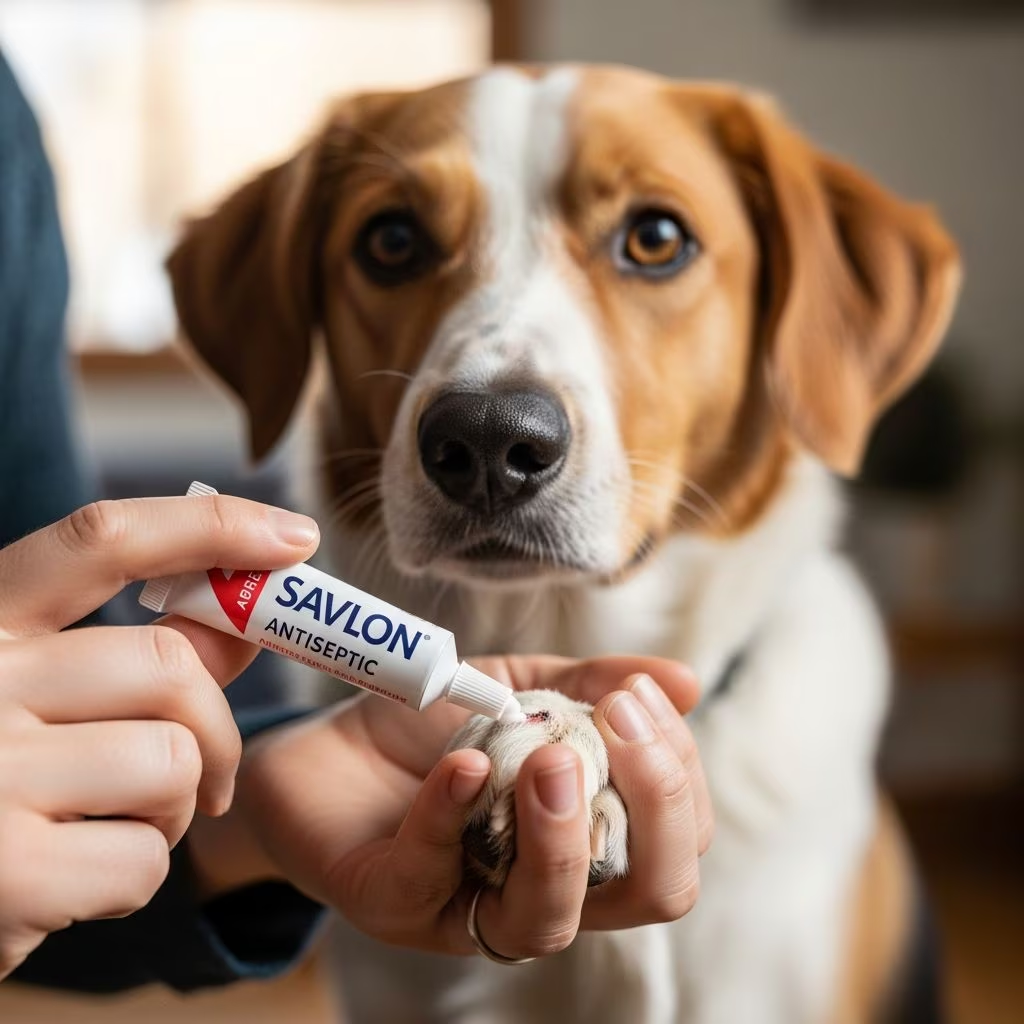
Can You Use Savlon on Dogs? A Comprehensive Safety Guide
When your dog gets a minor cut, scrape, or shows signs of skin irritation, it’s natural to reach for the first aid products in your bathroom cabinet. Savlon, a popular household antiseptic cream, is a go-to solution for treating minor human wounds. But can you use it on your furry friend? The answer is more nuanced than a simple yes or no, and understanding the risks and proper usage is essential for your dog’s safety.
What Is Savlon and How Does It Work?
Savlon is a topical antiseptic cream commonly used to treat minor cuts, grazes, and skin irritations in humans. The cream works by creating an environment hostile to bacterial growth, helping to disinfect wounds and prevent infections. It contains active ingredients such as cetrimide and chlorhexidine, which are designed to kill bacteria at the wound site and promote healing.
The primary function of antiseptic creams like Savlon is to shield wounds from harmful microorganisms while supporting the body’s natural healing process. However, products formulated for human use may not be ideal for dogs due to differences in their physiology and behavior.
Can You Use Savlon on Dogs?
According to the manufacturer’s official guidance, Savlon Antiseptic Cream is not meant to be used on animals such as dogs, cats, or rabbits. However, some sources indicate that Savlon can be used on dogs with extreme caution and only for one-off treatments of small cuts or abrasions.
The key distinction is between occasional use and regular application. While Savlon’s active ingredients (cetrimide and chlorhexidine) are generally considered safe for dogs when applied topically in small amounts, the risks associated with ingestion and the availability of safer alternatives make dog-specific products the preferred choice.
Why Savlon Poses Risks for Dogs
Dogs present unique challenges when it comes to topical treatments. Unlike humans, who understand the importance of keeping wounds clean and uncontaminated, dogs instinctively lick their injuries. This natural behavior creates significant risks when human antiseptic creams are applied.
The Licking Problem
The primary concern with using Savlon on dogs is accidental ingestion through licking. When a dog licks a wound treated with Savlon, they ingest the cream, which can lead to gastrointestinal upset and other health complications. This risk is particularly elevated with puppies and young dogs, who are more prone to licking their wounds out of curiosity or discomfort.
Potential Toxic Ingredients
While Savlon itself contains ingredients that are relatively safe when used topically, prolonged or excessive ingestion can cause problems. The formulation may include preservatives and other compounds that are not intended for internal consumption by animals.
Comparison with Other Human Antiseptic Products
Several household antiseptic products are commonly considered for pet use, and each carries different risk profiles:
| Product | Safe for Dogs? | Key Risks | Recommendation |
|---|---|---|---|
| Savlon | Not Recommended | Risk of ingestion through licking | Use dog-specific alternatives only |
| Sudocrem | Minimal Quantities Only | Zinc oxide toxicity if ingested | Avoid; use pet-safe products |
| Dettol | Not Safe | Contains toxic ingredients (chloroxylenol, terpineol) | Never use on dogs |
| Dog-Specific Antiseptics | Safe When Used Correctly | Minimal if formulated for pets | Preferred choice for pet wounds |
When Minor Wounds Require Professional Care
Not all wounds are suitable for home treatment with antiseptic creams. Understanding when to seek veterinary attention is crucial for your dog’s health. You should contact your veterinarian immediately if your dog has:
- Deep wounds that penetrate beyond the surface skin
- Signs of infection, including swelling, pus, or unusual odors
- Persistent skin irritations that do not improve with basic care
- Wounds caused by bites or punctures from other animals
- Areas of skin that appear inflamed or unusually warm
- Any doubt about the severity or nature of the injury
Your veterinarian can properly assess the wound, prescribe appropriate treatment, and prevent complications that might arise from improper home care.
Safer Alternatives to Savlon for Dogs
Rather than risking your dog’s health with human antiseptic creams, several safer alternatives are specifically formulated for canine use.
Leucillin Natural Antiseptic Spray
Leucillin is a highly effective, dog-safe antiseptic spray that uses Hypochlorous acid, a naturally occurring chemical found in the mammalian immune system. This natural component kills harmful bacteria, viruses, and fungi with exceptional efficiency. One of the key advantages of Leucillin is its extra-strength formula, which achieves a 99.99999% pathogen kill rate—far superior to standard antiseptics. It is safe for dogs and can be easily applied to minor wounds and skin irritations without the risk of toxicity from ingestion.
Dog-Specific Antiseptic Creams
Many veterinary pharmaceutical companies produce antiseptic creams and ointments specifically designed for dogs. These products take into account the unique physiology of canines and are formulated to minimize risks of irritation, allergic reactions, or toxicity. Look for products labeled as hypoallergenic or made from natural ingredients to further reduce potential adverse reactions.
Veterinary-Prescribed Options
Your veterinarian can recommend or prescribe antiseptic products that are appropriate for your dog’s specific needs and health history. Sometimes, for minor cuts that don’t require professional treatment, vets may supply suitable antiseptic creams or ointments formulated for animal use.
How to Properly Apply Antiseptic Products to Your Dog
If you do use any antiseptic product on your dog, proper application technique is essential to maximize effectiveness and minimize risks.
- Clean the area: Wash the affected area with warm water and mild soap to remove dirt and debris.
- Dry thoroughly: Use a clean towel to dry the wound completely, as moisture can harbor bacteria.
- Apply sparingly: Use only a small amount of antiseptic cream, ensuring even coverage across the affected area.
- Rub in gently: Apply the product with gentle, circular motions to avoid causing additional irritation.
- Monitor closely: Watch your dog carefully after application to prevent licking or scratching at the treated area.
- Consider protective measures: If your dog continues to lick the area despite your efforts, use an Elizabethan collar (cone) to prevent access to the wound.
Understanding Your Dog’s Skin Health
A dog’s skin serves as a critical barrier against infection and environmental stressors. Unlike human skin, canine skin is more sensitive and has a different pH balance. This difference means that products safe for human skin may not be equally safe or effective for dogs.
Dogs’ skin can be a breeding ground for bacteria, which can lead to anything from minor skin irritation to major infections. Using the right antiseptic product—one specifically formulated for dogs—helps kill bacteria effectively while respecting the delicate balance of your dog’s skin microbiome.
Special Considerations for Puppies and Senior Dogs
Certain age groups require extra caution when treating wounds:
- Puppies: Young dogs are more curious and prone to licking everything, including treated wounds. They are also more susceptible to toxicity from ingested substances, making dog-specific products essential.
- Senior dogs: Older dogs may have compromised immune systems or existing health conditions that complicate wound healing. Consult your veterinarian before using any topical treatment.
- Dogs with chronic conditions: If your dog has a chronic skin condition, antiseptic creams should be used sparingly and only under veterinary guidance.
What Expert Sources Say
Veterinary experts emphasize caution when it comes to human antiseptic products on dogs. One veterinary perspective states that antiseptics such as Savlon and Dettol are far too harsh and should never be used on dogs. Additionally, dogs should never be given human medications unless under specific veterinary advice.
The consensus among veterinary professionals is clear: when in doubt about any product’s safety for your dog, consult your veterinarian immediately rather than risk your pet’s health.
Frequently Asked Questions
Q: Is Savlon toxic to dogs if ingested?
A: While Savlon is not highly toxic in small amounts, ingestion can cause gastrointestinal upset and other health issues. It is not formulated for internal use in animals and should be prevented from being licked whenever possible.
Q: Can I use Savlon on my dog’s paws?
A: It is not recommended. Dogs frequently lick their paws, making accidental ingestion almost certain. Use a dog-safe antiseptic spray or cream instead, or consider protective footwear or bandaging.
Q: What should I do if my dog licks Savlon?
A: If your dog ingests a small amount of Savlon, monitor them for signs of gastrointestinal distress such as vomiting or diarrhea. If symptoms develop or you are concerned, contact your veterinarian promptly.
Q: How long should I wait before letting my dog lick a treated area?
A: It is best to prevent your dog from licking any treated area entirely. Use an Elizabethan collar if necessary until the wound has healed sufficiently.
Q: Are there any Savlon products safe for dogs?
A: Savlon as a brand does not recommend any of its products for use on dogs, cats, or other pets. Always choose products specifically formulated and labeled for animal use.
Q: What is the best antiseptic for minor dog wounds?
A: Dog-specific antiseptic sprays like Leucillin, or antiseptic creams formulated for pets, are the best options. These are designed with your dog’s safety in mind and minimize risks associated with ingestion.
Q: Should I always see a vet for my dog’s minor cuts?
A: Not always. Small grazes and minor cuts can often be treated at home with appropriate dog-safe antiseptics. However, if you are uncertain about the severity or the wound shows signs of infection, consult your veterinarian.
Conclusion
While the temptation to use household products like Savlon on your dog’s minor wounds is understandable, the risks outweigh the convenience. Savlon is not formulated for use on dogs, and the manufacturer explicitly advises against it. The primary concern—accidental ingestion through licking—makes this product unsuitable for pets who cannot understand the importance of keeping wounds undisturbed.
By choosing dog-specific antiseptic products like Leucillin or veterinarian-recommended alternatives, you ensure that your pet receives safe, effective wound care tailored to their unique needs. When in doubt, always consult your veterinarian. Your commitment to using the right products demonstrates genuine care for your dog’s health and wellbeing, ensuring they heal safely and swiftly from minor injuries.
References
- Antiseptic Cream for Dogs: Can You Use Sudocrem or Savlon? — The Dog News. Accessed January 2026. https://thedo.gs/health/antiseptic-cream-for-dogs-can-you-use-sudocrem-or-savlon
- Antiseptic Cream for Dogs – Can I Use Antiseptic Cream? — Waggel. Accessed January 2026. https://www.waggel.co.uk/blog/post/antiseptic-cream-for-dogs
- Antiseptics Guide: Overview, Uses & FAQs — Savlon Official. Accessed January 2026. https://www.savlon.co.uk/savlon-guides/posts/2020/november/antiseptics-guide
- 13 Human Topical Creams on Dogs, Safe or Unsafe — Pet Chef. Accessed January 2026. https://petchef.my/using-human-topical-creams-dogs/
- Dog First Aid — Dogs Life Magazine. Accessed January 2026. https://www.dogslife.com.au/dog-news/dog-health/dog-first-aid



