

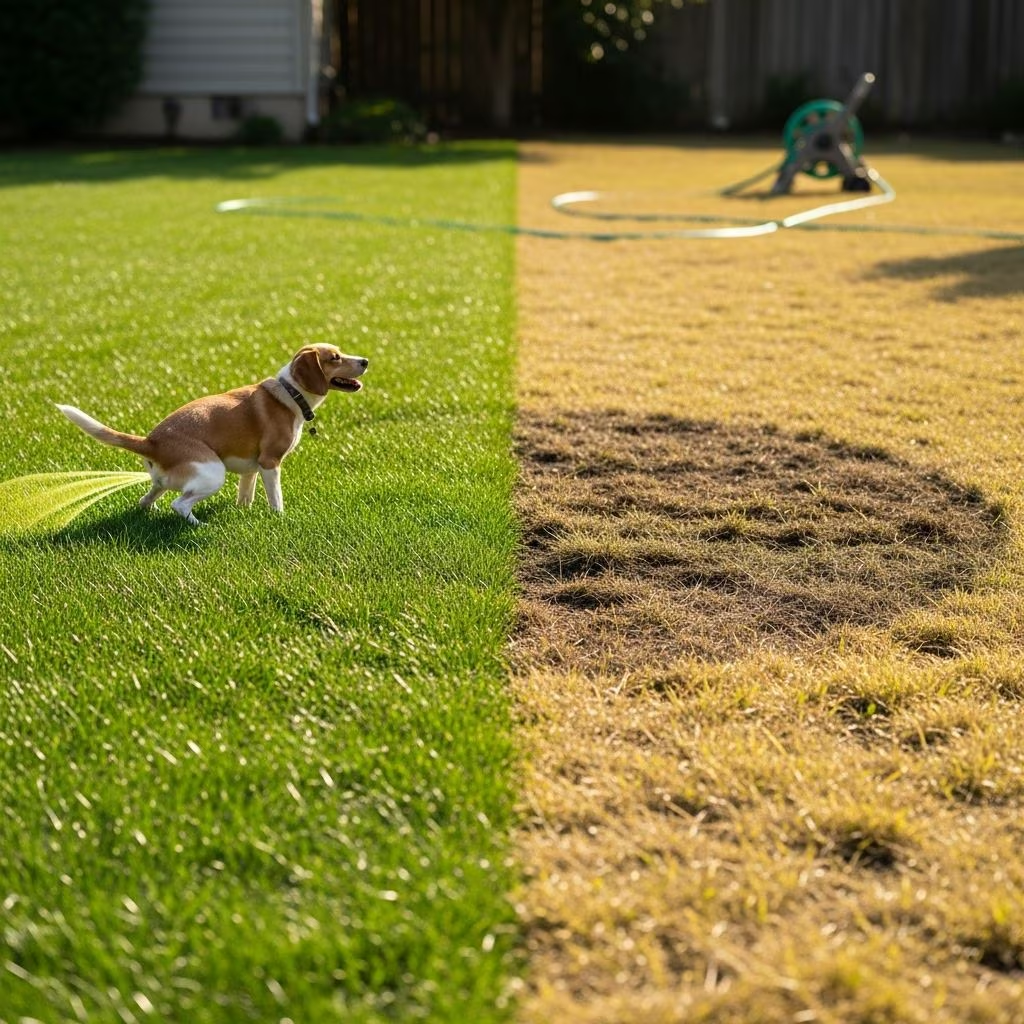
Dog urine creates unsightly brown patches on lawns due to high nitrogen and salt concentrations that overwhelm grass roots. Effective management combines pet care adjustments, lawn maintenance, and strategic landscaping to minimize harm and promote recovery.
Understanding the Science Behind Lawn Damage
Dog urine contains elevated levels of nitrogen, a key nutrient for plant growth, but in excess, it acts as a burn agent. When concentrated in one spot, this nitrogen overloads the grass, causing rapid cell death and yellowing followed by browning. Salts in the urine further dehydrate the soil, exacerbating the issue. Dogs on high-protein diets produce more nitrogen-rich urine, intensifying the problem, while dehydration concentrates it further.
Alkaline pH in dog urine, typically above 7.0, disrupts soil balance, making grass more susceptible. Female dogs often cause larger spots due to squatting, which deposits urine in a single area, unlike males who lift legs and spread it out.
Boosting Your Dog’s Hydration for Diluted Urine
Encouraging more water intake dilutes nitrogen and salts in urine, reducing lawn impact. Provide fresh water in multiple indoor and outdoor bowls, consider pet fountains for appeal, or add water to meals. Diets with added sodium can prompt thirst, but consult a vet first.
- Place water stations near play areas.
- Use interactive fountains to entice drinking.
- Avoid restricting water, as it worsens concentration.
Studies show hydrated dogs produce less damaging urine, benefiting their health too, including better skin and urinary function.
Training Dogs to Use Designated Potty Areas
Directing urination to specific zones confines damage, preserving most of the lawn. Use positive reinforcement: reward with treats or praise when your dog uses the spot. Install pheromone-treated posts or hydrants to attract them naturally. Fencing off a section simplifies this.
Start young or be patient with adults; consistency over weeks yields results. Mulch, gravel, or pea gravel beds work well as non-grass surfaces that absorb urine without harm. Ensure the area is comfortable and paw-friendly.
Selecting Durable, Urine-Tolerant Grasses and Plants
Switch to resilient varieties that withstand nitrogen better. Tall fescue develops deep roots and resists drought and urine, thriving in various climates. Perennial ryegrass and fescues recover quickly from spots. For alternatives, clover, moss, or ornamental grasses require less water and tolerate pee.
| Grass Type | Urine Resistance | Climate Suitability | Maintenance Level |
|---|---|---|---|
| Tall Fescue | High | Most regions | Low |
| Perennial Ryegrass | Medium-High | Cool seasons | Medium |
| Kentucky Bluegrass | Low-Medium | Cool climates | Medium |
| Clover | High | Varied | Very Low |
Verify plants are non-toxic to dogs before planting.
Daily Lawn Care Practices to Minimize Spots
Proactive maintenance builds grass resilience. Mow at 3-4 inches tall, following the one-third rule—never remove more than a third of the blade at once—to shade soil and hide minor damage. Water deeply once weekly (1 inch total) to encourage strong roots.
Rinse spots immediately with a hose to dilute nitrogen before absorption. Aerate annually to improve soil penetration for air, water, and nutrients. Use low-nitrogen fertilizers to avoid compounding the issue.
Repairing Existing Damage Step-by-Step
Revive dead patches systematically. Remove dead grass gently, avoiding deep soil scraping unless aerated first. Apply gypsum or baking soda to neutralize pH, then seed with urine-hardy mixes like tall fescue or ryegrass. Overseed thin areas and keep moist until germination.
- Clear debris from spot.
- Aerate if compacted.
- Neutralize with gypsum.
- Seed and top-dress with compost.
- Water consistently for 2-3 weeks.
Commercial patch kits with resilient seeds speed recovery and deter re-soiling.
Dietary Adjustments and Supplements
High-protein foods increase nitrogen; consider vet-approved lower-protein or raw diets to reduce output. Urine-acidifying supplements lower pH, making it less harmful, but effects vary. Avoid unproven remedies like garlic or tomato juice, which may harm health.
Walk dogs before lawn access, especially mornings, to encourage elimination elsewhere.
Long-Term Landscaping Solutions
Reduce turf area with gravel paths, mulch beds, or pavers where dogs frequent. Integrate ground covers like sedges that mimic grass but resist damage. Professional services handle aeration, seeding, and fertilization for optimal results.
Common Myths and Proven Realities
Myth: Dog rocks or additives fully neutralize urine. Reality: They offer limited dilution; focus on prevention. Myth: Shorter mowing hides spots. Reality: Taller grass protects better. Prioritize evidence-based methods from extension services.
FAQ
Why does only female dog urine kill grass more?
Females deposit larger volumes in one spot while squatting, concentrating damage unlike spread-out male sprays.
Can I use vinegar on spots?
Vinegar may burn grass further; stick to water rinses or gypsum for pH adjustment.
How long until reseeded areas grow?
With proper care, 7-14 days for germination, full coverage in 4-6 weeks.
Is tall fescue safe for all dogs?
Yes, it’s durable and non-toxic, ideal for active pets.
What if damage persists?
Consult pros for soil tests; underlying compaction or pH issues may need addressing.
References
- How to Stop and Repair Dog Urinating Damage on Your Lawn — Lawn Pride. 2023. https://lawnpride.com/pet-damage/
- Dog Urine Damage on Lawns: Causes, Cures and Prevention — Colorado State University Extension. 2022. https://cmg.extension.colostate.edu/Gardennotes/553.pdf
- Why Is Dog Pee Killing Your Grass — And How to Stop It — American Kennel Club. 2024-01-15. https://www.akc.org/expert-advice/home-living/dog-pee-killing-grass/
- How To Keep Dog Pee From Ruining Your Lawn — PetMD. 2023-05-20. https://www.petmd.com/dog/general-health/how-to-keep-dog-pee-from-ruining-lawn
- How to Protect Your Lawn from Dog Urine and Other Damage — NG Turf. 2023. https://ngturf.com/protect-your-lawn-from-dog-urine-and-other-damage/



