

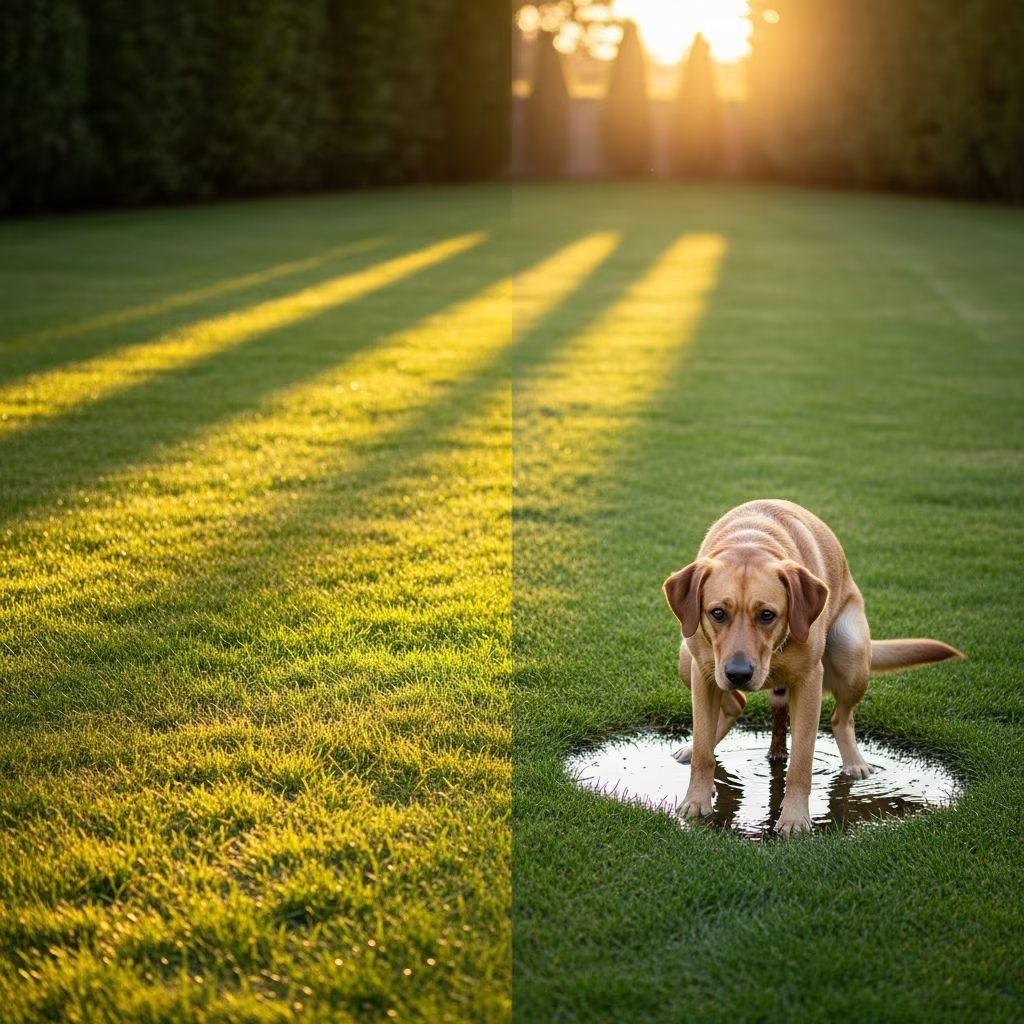
Dog urine often leaves unsightly brown patches on lawns due to high nitrogen and salt levels that overwhelm grass roots. Implementing simple habits like immediate dilution and selecting resilient grass varieties can restore and protect your yard effectively.
Why Dog Urine Harms Your Grass
Dog urine contains urea, a nitrogen-rich compound that acts like concentrated fertilizer when it hits the soil. In small doses, nitrogen promotes growth, but excess leads to rapid blade scorching and root burn, creating dead spots. Salts in the urine further dehydrate grass, exacerbating damage on sensitive varieties like Kentucky bluegrass or Bermuda grass. Female dogs, who squat and release a focused stream, tend to cause more concentrated spots compared to males who lift a leg. Well-fertilized lawns suffer more because added nitrogen compounds the overload.
Understanding these mechanics helps target solutions. Nitrogen initially greens grass before burning it out, and recovery depends on grass type—spreading varieties like bermudagrass fill in faster than clumping ones.
Immediate Actions to Minimize Spot Formation
Act quickly after your dog urinates to prevent lasting harm. Diluting urine with water is the most reliable first step, reducing nitrogen concentration by up to 50% if done promptly. Use a hose or watering can to flush the area with 2-3 times the urine volume within minutes. This not only leaches salts but also hydrates the soil, aiding overall lawn health.
- Hose rinse: Gentle spray for 30-60 seconds per spot.
- Timing tip: Train yourself to follow your dog immediately outdoors.
- Frequency: Essential for multiple dogs or high-traffic yards.
Avoid myths like baking soda or gypsum, which fail to neutralize salts and may harm soil pH. Instead, integrate dilution into daily routines for visible improvements within weeks.
Selecting Tough Grass for Pet-Heavy Yards
Not all grasses react equally to urine stress. Opt for resilient types during reseeding or repairs to build long-term resistance.
| Grass Type | Urine Tolerance | Best For | Notes |
|---|---|---|---|
| Fescue | High | Cool climates | Tolerates nitrogen well; quick recovery. |
| Ryegrass (Perennial) | High | Overseeding | Blends with many lawns; spot-treat effective. |
| Bermudagrass | Medium | Warm climates | Spreads to fill spots naturally. |
| Kentucky Bluegrass | Low | Avoid if possible | Burns easily; slow recovery. |
For spot repairs, remove dead sod (0.5-1 inch deep), loosen soil, and seed matching varieties. Aerate first to improve root penetration, then water consistently. In tall fescue lawns, stick to compatible seeds to avoid texture mismatches. Warm-season grasses like zoysiagrass self-repair via rhizomes, reducing maintenance.
Training Your Dog for a Spot-Free Yard
Redirecting urination habits offers the surest prevention. Designate a mulch bed, gravel patch, or yard periphery as the toilet zone—non-turf surfaces hide damage.
- Choose location: Sunny, accessible spot with privacy post.
- Positive reinforcement: Reward with treats/praise for using it.
- Consistency: Escort dog there after meals or play; patience yields results in 1-2 weeks.
Morning walks empty bladders before yard access, minimizing home damage. For males, install stakes or posts to encourage leg-lifting away from prime grass. Multi-dog homes benefit from shared zones to concentrate impact.
Diet and Hydration Adjustments for Diluted Urine
Hydrated dogs produce less potent urine. Ensure constant fresh water access, and consider wet food or water-added kibble to boost intake naturally. This dilutes urea without increasing pee volume excessively, unlike risky additives.
Steer clear of unproven supplements claiming to alter pH—urine damage stems from nitrogen/salts, not acidity, and changes can upset health. Products like mineral rocks in water bowls aim to absorb nitrates but lack robust evidence; vet consultation advised. Balanced diets prevent over-concentration without side effects.
Lawn Care Practices to Build Resilience
A robust lawn withstands urine better. Reduce high-nitrogen fertilizers to avoid compounding damage—opt for low-N blends or potassium-focused ones.
- Irrigation: Deep, infrequent watering leaches salts; aim for 1 inch weekly.
- Mowing: Keep at 3-4 inches to shade soil and strengthen roots.
- Fertilization: Balance N-P-K; test soil annually for deficiencies.
For green-but-stimulated spots, ramp up nitrogen evenly across the lawn to blend colors. Drought-stressed turf amplifies injury, so monitor moisture.
Repairing Existing Damage Step-by-Step
Revive dead patches systematically. First, rake out debris and dethatch. Aerate with a core tool for better seed-soil contact.
- Prep soil: Remove dead grass/soil; add compost.
- Seed: Use urine-tolerant varieties; cover lightly.
- Top-dress: Sand or topsoil mix for protection.
- Water: Keep moist 2-3 weeks; avoid foot traffic.
Expect fill-in within 4-6 weeks for cool-season grasses. Sod patches match mature lawns instantly but cost more.
Products and Tools Worth Considering
Support efforts with targeted aids. Seed-patch products with fescue/ryegrass simplify repairs. Aeration tools break urea crusts. Avoid detergents or soaps, which risk phytotoxicity.
Designated pee posts save grass while satisfying instincts. Mulch zones with cedar chips deter grass targeting.
Long-Term Strategies for Multi-Pet Homes
High-urine loads demand zoning: Divide yard into play, potty, and pristine areas with fences. Rotate usage to allow recovery. Combine all methods—dilution + training + tough grass—for 90% spot reduction.
Monitor via photos monthly; adjust based on patterns. Community lawns benefit from shared protocols.
Frequently Asked Questions
Does dog gender affect lawn damage?
Yes, squatting females create focused streams, worsening spots vs. spreading male sprays.
Can I use vinegar to neutralize urine?
No, it alters pH harmfully without addressing salts/nitrogen. Stick to water dilution.
How long do spots take to heal?
Weeks to months; spreading grasses recover faster without intervention.
Are there safe urine additives?
Few; prioritize hydration over unproven rocks/supplements—consult vets.
Best grass for dog owners?
Fescue or perennial ryegrass for tolerance across climates.
References
- How To Keep Dog Pee From Ruining Your Lawn — PetMD. 2023. https://www.petmd.com/dog/general-health/how-to-keep-dog-pee-from-ruining-lawn
- Dogs and Turfgrass Interactions — NC State Extension Publications. 2018-10-24. https://content.ces.ncsu.edu/dogs-and-turfgrass-interactions
- Dog Urine Damage on Lawns: Causes, Cures and Prevention — Colorado State University Extension. 2014. https://cmg.extension.colostate.edu/Gardennotes/553.pdf
- Vet Q&A: How can I stop dog pee killing grass? — PDSA. 2022. https://www.pdsa.org.uk/what-we-do/blog/vet-qa-how-can-i-stop-dog-pee-killing-grass
- STOP your dogs pee damaging your lawn — YouTube (Lawn Pride). 2020. https://www.youtube.com/watch?v=Zf8nHd3cW9I



