

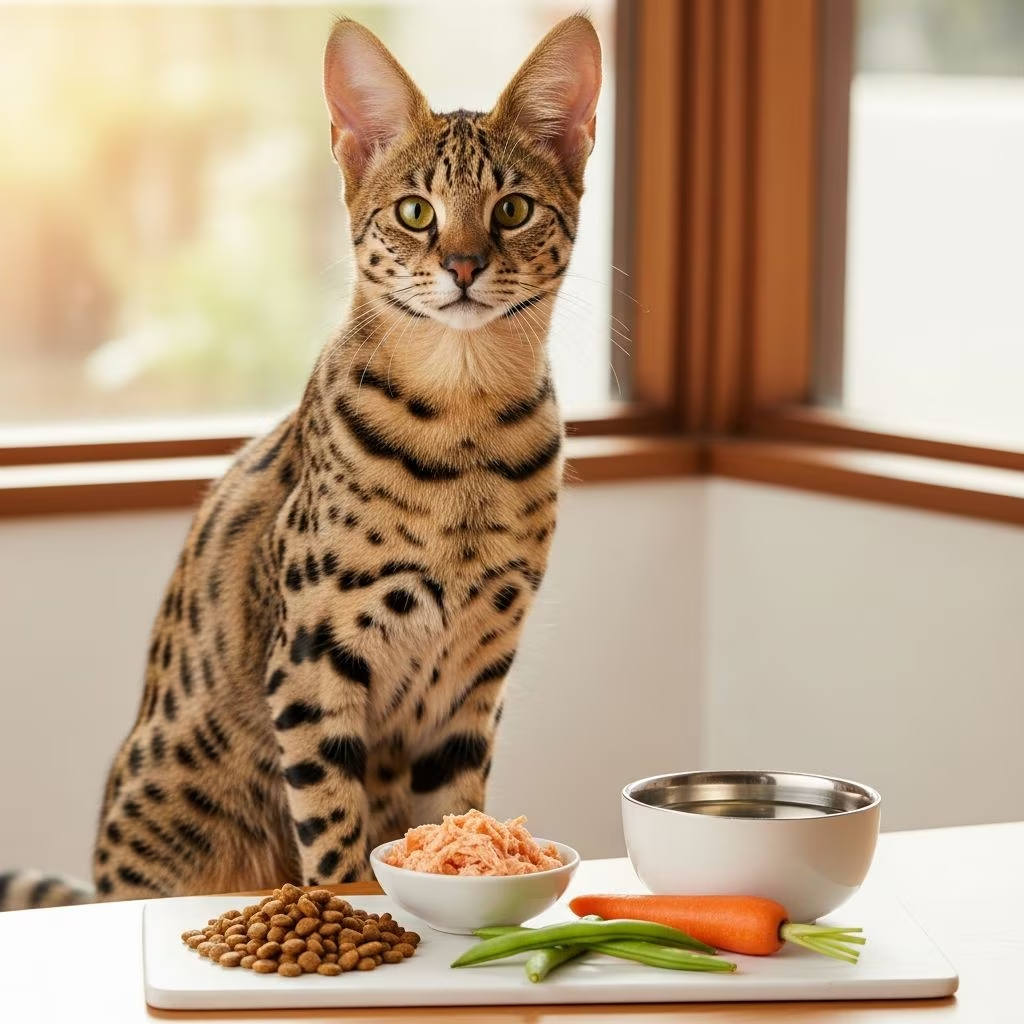
Savannah cats, known for their striking appearance and boundless energy, thrive on diets that mirror their wild ancestry with high levels of animal-based proteins. These hybrid felines demand more calories than typical domestic cats due to their size and activity, making nutrition a cornerstone of their well-being.
Understanding the Unique Dietary Needs of Savannah Cats
Savannahs descend from servals, African wildcats that hunt small prey in the wild, so their metabolism favors nutrient-dense foods over carb-heavy fillers. A proper diet supports lean muscle maintenance, sharp vision, and robust heart function, all critical for their playful, athletic nature. Unlike standard housecats, they often require elevated protein intake—aiming for at least 26% on a dry matter basis—to fuel daily escapades without excess weight gain.
Key nutritional pillars include taurine for cardiac and ocular health, ample fats for energy, and minimal grains to avoid digestive upset. Active Savannahs may need up to 65 grams of protein per 1,000 calories consumed, surpassing average feline requirements. Fresh water is non-negotiable, as their high activity levels demand constant hydration, often supplemented by moisture-rich wet foods.
Core Components of an Optimal Savannah Cat Diet
Building a meal plan revolves around animal proteins as the foundation. Muscle meats like chicken, turkey, beef, rabbit, or venison form 80% of raw diets, providing essential amino acids. Incorporate 10% raw bones—such as chicken necks or wings—for natural calcium, and 10% organ meats like liver, kidney, and heart for vitamins A, D, and taurine.
- Muscle Meats: Dark and white varieties for complete protein profiles; hearts add taurine naturally.
- Bones and Calcium Sources: Edible options prevent deficiencies; eggshell powder as an alternative.
- Organs: Liver for vitamin A, kidneys for antioxidants; limit to avoid vitamin A toxicity.
- Fats and Omegas: Fish oils or raw eggs for joint support and shiny coats.
Commercial options must meet AAFCO standards, prioritizing grain-free kibble or wet foods with named meat sources over by-products.
Raw Feeding: Pros, Recipes, and Safety Protocols
Raw diets closely emulate wild prey, promoting dental health through chewing and superior nutrient absorption. Start with an 80/10/10 ratio: 80% meat, 10% bone, 10% organs. A sample adult recipe yields about 1-2% of body weight daily—for a 20-pound Savannah, that’s 6-12 ounces.
| Ingredient | Percentage | Example (1 lb Batch) | Benefits |
|---|---|---|---|
| Muscle Meat (chicken thighs) | 80% | 12.8 oz | High-quality protein, low fat |
| Raw Bone (ground chicken necks) | 10% | 1.6 oz | Calcium, phosphorus balance |
| Organ Meat (beef liver/heart) | 10% | 1.6 oz | Taurine, vitamins A/E |
Balance batches weekly to prevent imbalances; freeze portions for safety. Risks include bacterial contamination, so source human-grade meats and consult vets for taurine testing. Transition gradually over 7-10 days to avoid tummy troubles.
Commercial Foods: Selecting Top-Tier Kibble and Wet Options
High-quality commercial foods simplify feeding while delivering completeness. Opt for formulas exceeding minimums: 32%+ protein, 12%+ fat, grain-free. Wet foods like chicken pâté provide hydration—ideal since raw-fed cats drink less.
Breeders often wean kittens on Wellness Chicken Pâté mixed with raw, transitioning to Royal Canin Kitten dry for dental benefits. Adults benefit from mixing wet and dry: 70% dry for calories, 30% wet for moisture. Avoid corn or fillers that dilute nutrition.
Age-Specific Feeding Strategies for Growth and Maintenance
Kittens (0-6 Months)
Frequent, small meals support rapid growth: 3-4 times daily, emphasizing soft bones and whole prey mimics. Raw ground chicken with vitamins ensures taurine; supplement if indoors for vitamin D.
Juveniles (6-12 Months)
Reduce to 2-3 meals; introduce varied proteins to build immunity. Monitor weight to prevent overnutrition.
Adults (1+ Years)
Once or twice daily mimics hunting; 2-3% body weight total, adjusted for activity. Spay/neuter may lower needs by 20-25%.
Table for daily portions (approximate, per lb body weight):
| Life Stage | Meals/Day | Ounces Food (% Body Wt) |
|---|---|---|
| Kitten | 3-4 | 4-6% (raw/wet) |
| Juvenile | 2-3 | 3-4% |
| Adult | 1-2 | 2-3% |
Hydration, Treats, and Portion Control Essentials
Wet or raw diets boost moisture intake, crucial for kidney health in active cats. Offer running fountains to encourage drinking. Treats—plain cooked chicken or fish—should not exceed 10% calories.
Portion based on ideal weight: weigh weekly, adjust for playfulness. Overfeeding risks obesity, joint strain.
Supplements: When and What to Add
Complete commercial diets rarely need extras, but raw feeders benefit from:
- Taurine Powder: If organs are low.
- Omega-3s: Fish/krill oil for inflammation.
- Multivitamins: Feline-specific like Mazuri for captives.
- Probiotics: Digestive support during transitions.
Vet bloodwork guides additions; excess vitamins harm.
Potential Hazards: Foods to Strictly Avoid
Toxicities lurk in human scraps: onions, garlic, chocolate, dairy trigger issues. Grains, by-products fill without nourishing. Raw fish in excess depletes thiamine.
Monitoring Health Through Diet and Vet Check-Ins
Glossy coat, firm stools, steady energy signal success. Annual vet exams, including taurine levels, catch issues early. Active Savannahs may need 20-30% more calories than sedate cats.
Frequently Asked Questions (FAQs)
Can Savannah cats thrive on regular cat food?
Yes, if high-protein (32%+) and grain-free, but premium formulas better match their needs.
Is a raw diet essential for Savannahs?
Not essential, but beneficial for mimicking wild intake; vet approval required.
How much to feed a Savannah kitten daily?
4-6 small meals totaling 4-6% body weight in raw/wet food.
Do they require extra supplements?
Only if diet lacks balance, like raw without organs—taurine is key.
Why do Savannahs need more protein?
Their size and energy demand 65g per 1,000 calories for maintenance.
Can they eat dry food exclusively?
Yes, high-quality grain-free, but mix with wet for hydration.
References
- What Do Savannah Cats Eat? – Petworks — Petworks. 2023. https://www.petworks.com/articles/savannah-cat-care/
- What Do Savannah Cats Eat? Vet-Approved Nutritional Science — Catster. 2023. https://www.catster.com/lifestyle/what-do-savannah-cats-eat/
- What Do Savannah Cats Eat and Diet — Savannah Cat Breed. 2023. https://savannahcatbreed.com/feeding/
- Savannah Cat Diet — F1 Savannah Kittens. 2023. https://www.f1savannahkittens.com/savannah-cat-diet
- Savannah Cat Diet — Savvy Paws. 2023. https://www.savvy-paws.com/savannah-cat-diet
- Savannah Cat Diet — F1 Hybrids Savannah Cats. 2023. https://www.f1hybridssavannahcats.com/diet



