

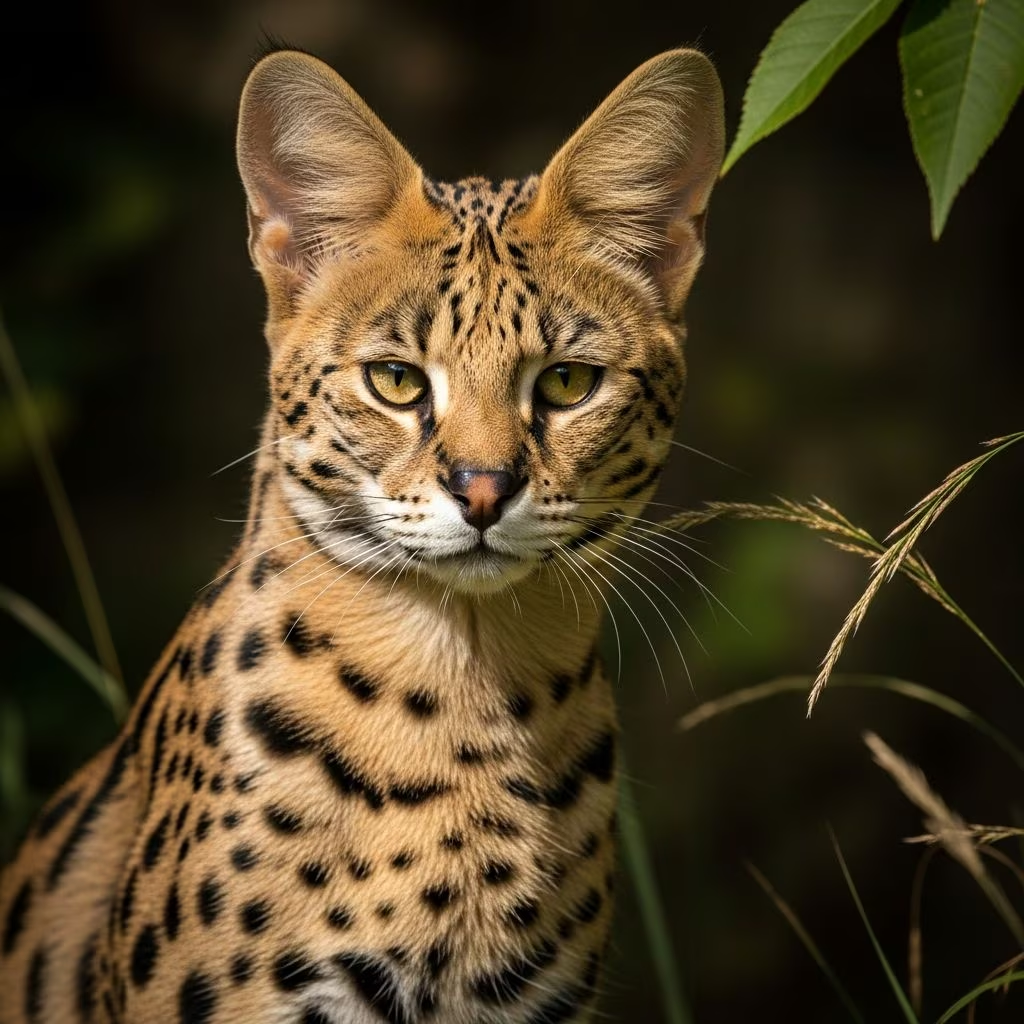
Savannah cats, known for their striking wild appearance and energetic personalities, blend domestic feline traits with serval ancestry. While generally robust, this hybrid breed faces specific health vulnerabilities due to genetics and lifestyle factors. Understanding these risks empowers owners to provide targeted care, potentially extending lifespan and improving quality of life.
Genetic Vulnerabilities in Savannah Cats
Hybrid breeds like Savannahs inherit unique genetic profiles that can predispose them to certain inherited conditions. These issues often stem from limited gene pools in early generations and require genetic screening for breeding stock.
Pyruvate Kinase Deficiency (PKD)
This enzyme disorder impairs red blood cell function, leading to shortened cell lifespan and hemolytic anemia. Affected cats may show pale gums, fatigue, and weakness across all ages. Severity varies; mild cases manage with monitoring, while severe ones demand blood transfusions or supportive therapy. Genetic testing identifies carriers, aiding responsible breeding.
Progressive Retinal Atrophy (PRA)
PRA causes gradual photoreceptor degeneration in the retina, first manifesting as night blindness and progressing to total vision loss. Early detection via ophthalmic exams allows adaptation strategies, though no cure exists. Annual eye screenings are crucial for at-risk Savannahs.
Cardiovascular Concerns
Heart conditions represent a leading threat to Savannah cats, exacerbated by hybrid genetics and potential hypertrophic changes.
Hypertrophic Cardiomyopathy (HCM)
HCM involves abnormal thickening of heart walls, impairing pumping efficiency and risking clots or sudden failure. Common in middle-aged males, symptoms include lethargy, rapid breathing, and fainting. Echocardiograms detect it early; treatments like beta-blockers manage progression. Routine cardiac ultrasounds every 6-12 months are recommended.
| Cardiomyopathy Type | Key Features | Prevalence in Savannahs |
|---|---|---|
| Hypertrophic (HCM) | Wall thickening, arrhythmias | High due to genetics |
| Restrictive | Stiff ventricles, diastolic dysfunction | Moderate |
| Dilated | Chamber enlargement, systolic failure | Lower |
Weight control and stress minimization reduce HCM onset risks.
Oral Health Challenges
Dental problems plague many cats, but Savannahs’ active lifestyles can accelerate plaque buildup if hygiene lapses.
- Gingivitis and Periodontitis: Inflammation leads to bleeding gums, halitosis, and loose teeth; starts as early as age 3.
- Tooth Resorption: Painful erosion of tooth roots, causing drooling and pawing at mouth.
- Prevention Tactics: Daily brushing with enzymatic toothpaste, dental chews, and professional cleanings under anesthesia.
Owners report fewer issues with consistent routines begun in kittenhood.
Urinary System Disorders
Savannahs’ high energy and water needs make urinary health pivotal; blockages pose life-threatening emergencies.
Feline Lower Urinary Tract Disease (FLUTD)
Encompassing infections, crystals, and idiopathic cystitis, FLUTD causes straining, hematuria, and frequent attempts. Stress, obesity, and dehydration trigger flares. Management includes prescription diets, fountains for hydration, multiple litter boxes, and environmental enrichment.
Urinary Tract Infections (UTIs)
Bacteria proliferation leads to discomfort; females are less prone than males due to anatomy. Prompt antibiotics cure most cases, but recurrence signals underlying issues.
Clean litter maintenance and fresh water access cut risks significantly.
Endocrine and Metabolic Issues
Aging Savannahs mirror domestic cats in hormonal imbalances but may show earlier onset due to hybrid vigor paradoxes.
Hyperthyroidism
Thyroid adenomas overproduce hormones, yielding weight loss despite ravenous hunger, polyuria, and hyperactivity. Seniors dominate cases; radioiodine therapy offers cure, alternatives include surgery or meds.
Diabetes Mellitus
Insulin dysregulation spikes blood glucose, mimicking hyperthyroidism symptoms plus plantigrade stance. Obese, inactive males predominate. Diet, insulin injections, and monitoring stabilize most.
Chronic Kidney Disease (CKD)
Progressive nephron loss causes polyuria, azotemia, and uremia. Acute forms from toxins resolve with intervention; chronic demands renal diets and fluids. Dental links highlight holistic care needs.
Infectious and Environmental Risks
Beyond genetics, Savannahs face standard feline pathogens plus ingestion hazards from playful curiosity.
- Obstructions: Swallowing toys, feathers, or plastics blocks intestines; surgery often required.
- Infections: URIs, giardia, ringworm demand isolation and vet-prescribed antimicrobials.
- Parasites: Fleas, worms necessitate monthly preventives.
Vaccination sensitivity in hybrids warrants tailored protocols.
Proactive Wellness Strategies
Preventive care forms the cornerstone of Savannah longevity.
- Annual Exams: Bloodwork, urinalysis, imaging catch subclinical issues.
- Nutrition: High-protein, low-carb diets matching activity levels; avoid obesity.
- Exercise: Leash walks, puzzle feeders burn energy, reducing stress-related ills.
- Screening: Genetic tests for PKD/PRA, cardiac echos biannually post-age 2.
Breeders should provide health clearances; second opinions validate concerns.
Lifespan and Prognosis Factors
With vigilant care, Savannahs reach 12-20 years. Early interventions for HCM or PKD markedly improve outcomes. Lifestyle profoundly influences resilience against age-related declines like CKD or diabetes.
Frequently Asked Questions (FAQs)
Are Savannah cats prone to more health problems than purebreds?
Hybrids carry breed-specific genetic risks like PKD and HCM, but proper breeding mitigates many. Routine vetting equals or betters general feline health.
How do I prevent dental disease in my Savannah?
Brush teeth 3x weekly, offer dental treats, schedule cleanings yearly, and monitor for early halitosis.
What diet suits Savannah cats best?
Grain-free, moisture-rich foods emulate wild diets; wet food boosts hydration against FLUTD.
Can Savannahs get heart disease young?
Yes, though peak incidence hits middle age; screen from year 2.
Is PKD curable?
No, but manageable; test kittens and avoid breeding carriers.
References
- Savannah Cat Health Problems: 8 Vet-Reviewed Issues — Catster. 2023. https://www.catster.com/cat-health-care/savannah-cat-health-problems/
- Savannah Cat Health — F1 Hybrids Savannah Cats. 2024. https://www.f1hybridssavannahcats.com/breed/health
- Common Health Issues in Savannah Cats: Prevention and Treatment — A1 Savannahs. 2025-01-02. https://www.a1savannahs.com/blog/2025/1/2/common-health-issues-in-savannah-cats-prevention-and-treatment
- Savannah Cats: Breed Characteristics, Care Guide, and Health Management — Orea Teai. 2024. https://www.oreateai.com/blog/savannah-cats-breed-characteristics-care-guide-and-health-management-study/25b2c8c10934cafc4151d0c5eb265274
- Savannah Cat F1: Unique Feline Characteristics — Bailey’s CBD. 2024. https://baileyscbd.com/blogs/cat-breeds/savannah-cat-f1-unique-feline-characteristics
- Savannah Cat Breed Health and Care — PetMD. 2025. https://www.petmd.com/cat/breeds/savannah



