
SARS-CoV-2 in Animals: Veterinary Insights
Exploring how SARS-CoV-2 impacts pets, wildlife, and livestock with key facts on transmission, symptoms, and prevention strategies.
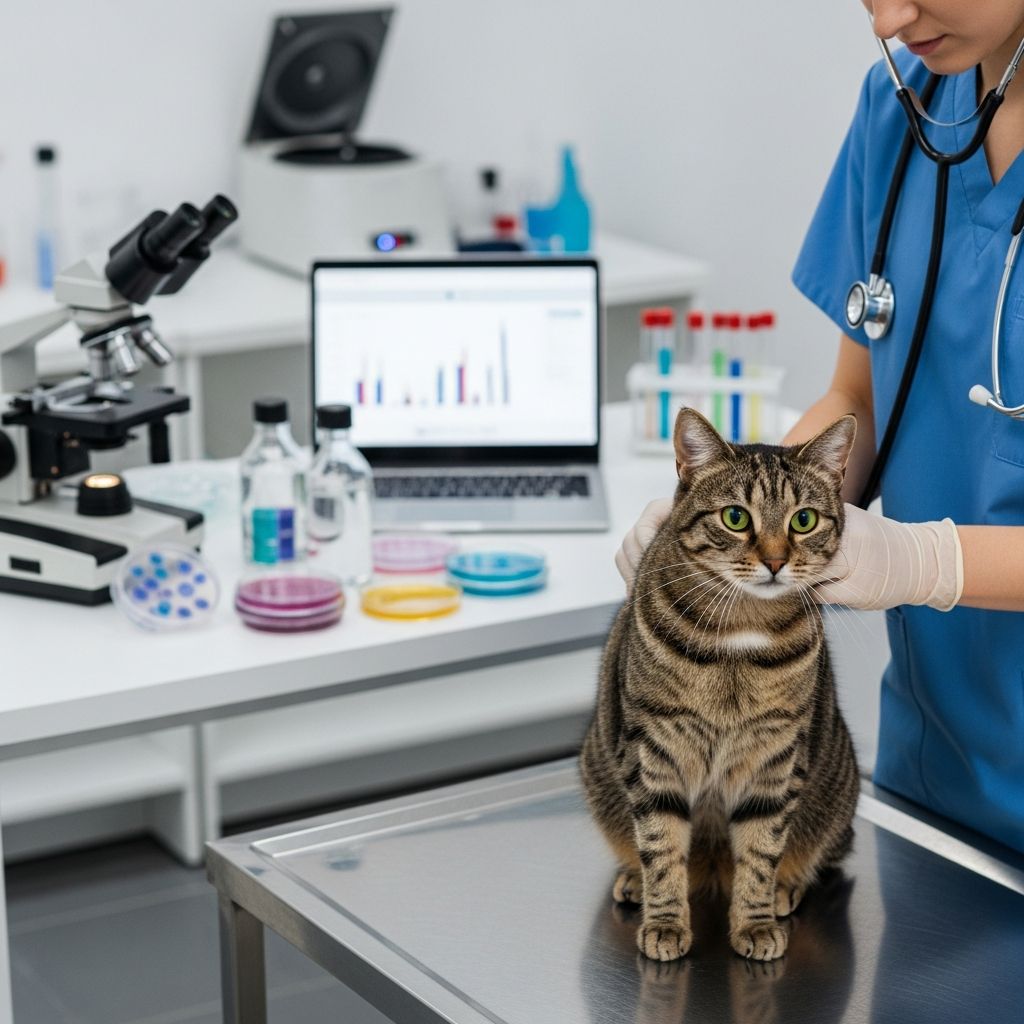
The emergence of SARS-CoV-2, the virus behind COVID-19, has reshaped our understanding of zoonotic diseases. While humans bear the brunt of the pandemic, evidence shows the virus can infect numerous animal species, sparking concerns about reverse zoonosis and potential reservoirs. This comprehensive guide delves into how SARS-CoV-2 affects companion animals, livestock, wildlife, and exotic species, drawing from experimental studies, field surveillance, and veterinary reports.
Animal Susceptibility to SARS-CoV-2
SARS-CoV-2 binds to the angiotensin-converting enzyme 2 (ACE2) receptor, present across many mammals, determining host range. Cats and ferrets show high susceptibility, replicating the virus efficiently in respiratory tissues. Dogs exhibit lower replication, often without shedding infectious particles. Hamsters and mink also support robust infection, with minks notably amplifying outbreaks in farms.
Wildlife like deer mice, raccoon dogs, and white-tailed deer have tested positive, suggesting broader ecological risks. Experimental data confirm variable outcomes: cats shed virus orally and nasally for days, transmitting via direct contact or aerosols, while dogs rarely do.
| Species | Susceptibility Level | Viral Shedding Duration | Transmission Potential |
|---|---|---|---|
| Cats | High | Up to 25 days (RNA) | High (contact, aerosol) |
| Dogs | Low | Minimal | Low |
| Ferrets | High | 2-4 days peak | High (aerosol, contact) |
| Hamsters | High | 2-3 days peak | Moderate |
| Mink | High | Prolonged | High (farm outbreaks) |
Transmission Pathways Among Animals and Humans
Primary transmission to animals occurs from infected humans, often owners sneezing or coughing near pets. A notable case involved a Thai veterinarian infected by a symptomatic cat owned by COVID-19 patients. Animal-to-animal spread happens via respiratory droplets, direct contact, or fomites. Ferrets transmit pre-symptomatically, mirroring human dynamics.[13 from 1]
- Human-to-Animal: Most common; 94% of U.S. companion cases linked to owners.
- Animal-to-Animal: Observed in co-housed cats and ferrets; aerosol in ferrets across cages.
- Animal-to-Human: Rare but documented (e.g., cat to vet); low public health risk.
In farms, mink-to-mink spread led to culls in Denmark and the Netherlands. Wildlife transmission remains under study, with potential for silent reservoirs in deer or raccoon dogs.
Clinical Manifestations in Infected Animals
Most infections are subclinical, especially in pets. When signs appear, they include respiratory issues like sneezing, coughing, lethargy, and anorexia. Cats may develop mild rhinitis or tracheitis; gross lesions are rare.
In active surveillance, 82% of positive Texas pets showed no signs; others had mild symptoms persisting briefly. Ferrets experience fever, weight loss, and nasal discharge. Hamsters develop lung pathology. Aged animals shed longer with higher viral loads.
In necropsies, raccoon dogs displayed mild rhinitis in nasal regions, confirming upper respiratory tropism.
Diagnostic Approaches for Veterinary Use
Diagnosis combines RT-qPCR for viral RNA, virus neutralization (VN) for antibodies, and sequencing for confirmation. Optimal RT-PCR window: 3-17 days post-exposure in cats, 3-10 days in dogs.
U.S. labs report positives to USDA APHIS. Serology detects antibodies from day 5, peaking later. Persistence of RNA up to 25+ days complicates interpretation; culture confirms infectivity.
- Collect nasal/oral swabs early post-exposure.
- Use RT-qPCR with cycle threshold monitoring.
- Confirm with sequencing or VN for reportable cases.
Pathology and Immune Responses
Histopathology reveals lymphoplasmacytic inflammation in nasal turbinates and trachea of cats. Ferrets show multi-system involvement. Dogs seroconvert without replication, gaining immunity.
Cats mount robust neutralizing antibodies, resisting reinfection. Viral peaks at 2-4 days post-infection precede symptoms, aiding stealth spread.
Global Surveillance and Reporting
SARS-CoV-2 in animals is WOAH-notifiable. U.S. criteria: RT-qPCR + sequencing or neutralizing antibodies. AVMA notes cats, dogs, ferrets, hamsters as key domestic risks. APHIS tracks wildlife and livestock.
By 2023, infections spanned 29 species.
Management and Prevention Strategies
Minimize human-animal contact during outbreaks: isolate infected owners, use PPE. No vaccines approved for pets, but research advances. Quarantine exposed animals; monitor via testing.
Farm biosecurity prevents mink-like spills. Wildlife monitoring curbs reservoirs.
Frequently Asked Questions (FAQs)
Can my dog get COVID-19 from me?
Dogs can be infected but rarely show signs or transmit. Risk is low.
Should I test my cat if I’m positive?
Test if symptomatic; otherwise, isolate to prevent spread.
Are zoos at risk?
Susceptible primates and big cats require precautions.
Does infection make animals immune?
Cats and dogs develop antibodies, likely protecting against reinfection.
What if my pet tests positive?
Supportive care; report per local rules. Most recover fully.
Future Implications for One Health
SARS-CoV-2 exemplifies One Health integration: human, animal, environmental health interlink. Ongoing surveillance prevents spillovers. Mutations in animals warrant genomic tracking.
Research gaps include long-term effects and novel hosts. Veterinary vigilance safeguards public health.
References
- SARS-CoV-2 Infection in Animals — Merck Veterinary Manual. 2023. https://www.merckvetmanual.com/generalized-conditions/sars-cov-2/sars-cov-2-infection-in-animals
- An Overview of SARS-CoV-2 and Animal Infection — Frontiers in Veterinary Science. 2020-12-04. https://www.frontiersin.org/journals/veterinary-science/articles/10.3389/fvets.2020.596391/full
- Clinical and epidemiologic features of SARS-CoV-2 in dogs and cats — PMC/NCBI. 2023. https://pmc.ncbi.nlm.nih.gov/articles/PMC10038921/
- Experimental infection of domestic dogs and cats with SARS-CoV-2 — PNAS. 2020. https://www.pnas.org/doi/10.1073/pnas.2013102117
- SARS-CoV-2 in animals including pets — American Veterinary Medical Association (AVMA). 2023. https://www.avma.org/resources-tools/animal-health-and-welfare/animal-health/sars-cov-2-animals-including-pets
- SARS-CoV-2 in Animals — USDA APHIS. 2023. https://www.aphis.usda.gov/sars-cov-2
Similar Articles








Read full bio of medha deb


