

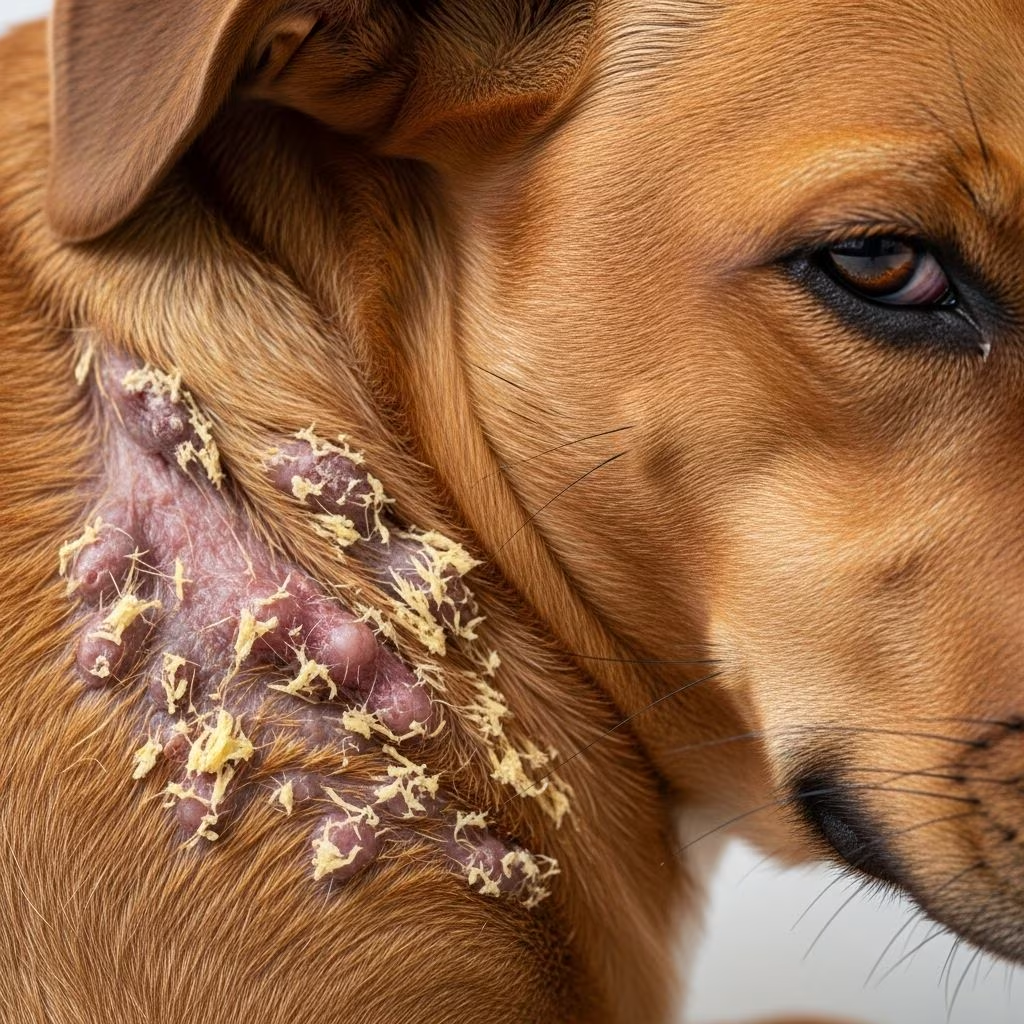
Understanding Sarcoptic Mange in Dogs
Sarcoptic mange, commonly referred to as scabies, is a highly contagious skin condition affecting dogs of all ages and breeds. This parasitic infection causes intense discomfort and requires prompt veterinary attention. Unlike other forms of mange, sarcoptic mange presents unique challenges due to its zoonotic nature—meaning it can be transmitted from pets to humans. Understanding this condition is essential for pet owners to ensure timely diagnosis and appropriate treatment for their beloved companions.
What Causes Sarcoptic Mange?
Sarcoptic mange is caused by a parasitic mite known as Sarcoptes scabiei, which burrows just beneath the surface of the skin. These microscopic mites tunnel into the skin of healthy adult dogs and puppies, feeding on materials found within and on the skin layers. This burrowing behavior is what distinguishes sarcoptic mange from other mange types, such as demodectic mange, which is caused by a different parasitic mite species.
The mites themselves are not visible to the naked eye, and a single dog can be affected by only a few mites while experiencing severe symptoms. This characteristic makes diagnosis challenging but is important to understand when seeking veterinary care. Any dog at any age can contract sarcoptic mange, making it a concern for all dog owners regardless of their pet’s age or breed.
Symptoms and Clinical Signs
The presence of sarcoptic mites triggers an intense allergic reaction in dogs, resulting in severe itching that is often the most noticeable symptom. Affected dogs will constantly chew, scratch, and bite at their skin in an attempt to relieve the discomfort. This compulsive behavior leads to significant consequences for the dog’s health and appearance.
Primary Symptoms Include:
– Intense itching and scratching
– Excessive hair loss, particularly on the legs and belly
– Red, inflamed skin with crusts
– Thickening and darkening of the skin
– Skin lesions and sores from self-trauma
– Depression and lethargy
– Loss of appetite and weight loss
– Secondary skin infections from bacteria or yeast
The areas most commonly affected include the margins of the ears, elbows, hocks (ankles), and belly. As the condition progresses, the skin becomes thickened and may develop a darker appearance. In severe cases, untreated sarcoptic mange can lead to systemic complications, including enlarged lymph nodes and significant weight loss due to decreased appetite and secondary infections.
Contagiousness and Transmission
Sarcoptic mange is highly contagious to other dogs and can be transmitted to humans. The mites spread through direct contact with infected animals or contaminated environments where infected dogs or foxes have frequented. Pet owners should take precautions to prevent their dogs from contact with potentially infected animals and contaminated areas.
While the mite cannot complete its full life cycle on humans, exposure to sarcoptic mites will cause intense itching and skin irritation in people until the mites naturally die. Any family member who develops itching or a skin rash following exposure to an infected dog should contact their family doctor immediately and inform them of potential sarcoptic mange exposure. Medical treatment is often recommended for affected individuals.
Diagnosis of Sarcoptic Mange
Veterinary diagnosis typically involves a skin scraping procedure examined under a microscope. However, it is important to note that negative findings on a skin scraping do not rule out sarcoptic mange. Because mites burrow deep into the skin and only a few are needed to cause significant symptoms, they may not appear in the scraped sample despite the dog having the condition.
Veterinarians often make a presumptive diagnosis based on clinical signs, medical history, and the dog’s response to treatment rather than relying solely on mite identification. This approach ensures that affected dogs receive necessary treatment even when mites cannot be visualized microscopically. If your veterinarian suspects sarcoptic mange, treatment typically begins based on clinical presentation rather than waiting for definitive microscopic confirmation.
Treatment Options for Sarcoptic Mange
Several medications are highly effective against Sarcoptes mites. Your veterinarian will discuss the most appropriate treatment based on your pet’s specific condition, age, health status, and lifestyle. Treatment approaches vary significantly and may include medicated baths, dips, topical applications, injections, and oral medications. Many pets require a combination of treatments to completely resolve the infection.
Topical Treatments
Dips: Traditional dips including amitraz and lime-sulfur dip were historically common treatments for sarcoptic mange. However, given the advent of newer and more effective medications, these dips are no longer commonly recommended by veterinarians. When used, lime-sulfur dips are typically administered weekly.
Topical Medications: Modern topical treatments are applied directly to the dog’s skin while dry. These medications are typically applied every 14 to 30 days or as recommended by your veterinarian. Common topical options include selamectin (Revolution®), fipronil (available under several brand names), and the combination of imidacloprid + moxidectin (Advantage Multi®, Imoxi™). These medications have become the preferred choice for many veterinarians due to their effectiveness and ease of application.
Oral Medications
A wide variety of oral medications are available to treat sarcoptic mange, offering convenient alternatives to topical applications. Depending on the specific medication prescribed, these oral treatments may be dispensed as liquids, pills, or flavored chews. Common oral medications include milbemycin (the active ingredient in Interceptor® and Sentinel®), afoxolaner (NexGard®), fluralaner (Bravecto®), and sarolaner (Simparica®).
Depending on the medication and your country’s regulations, some oral medications are used off-label for treating sarcoptic mange. Off-label use refers to prescribing a drug for conditions other than those it was originally approved for. Many of these medications require multiple treatments administered over several weeks for complete effectiveness.
Additional Treatment Considerations
Dogs with sarcoptic mange may also require treatment for secondary bacterial or yeast infections that develop as a result of constant scratching and self-trauma. Antibiotics such as cephalexin may be prescribed to address these secondary infections. Your veterinarian may also recommend medicated baths or anti-itch medications to prevent further self-inflicted damage.
In some cases, an Elizabethan collar (e-collar) may be recommended to prevent the dog from continuing to bite, scratch, and chew at affected areas. Corticosteroids such as prednisone may be administered for a short course to reduce inflammation and itchiness caused by dying mites and the immune response to treatment.
Treatment Timeline and Expectations
Most dogs show noticeable improvement within two weeks of beginning appropriate treatment. However, complete resolution of sarcoptic mange typically takes four to eight weeks, depending on the severity of the infection and the treatment approach used. Some dogs may show improvement every two weeks at their follow-up examinations.
It is important to contact your veterinarian if your dog is still scratching four to five days after treatment begins. Continuing symptoms may indicate the need for treatment adjustment or evaluation for other underlying conditions. Owners should also be prepared that hair loss and skin thickening may persist for some time even after mites have been eliminated, as the skin requires time to heal and regenerate.
Prevention and Home Care
To prevent re-infection with sarcoptic mange, thoroughly discard any bedding where your dog sleeps or wash it frequently in a diluted bleach solution. A recommended dilution is one ounce of bleach in one gallon of water. This helps eliminate any mites that may be present in the environment.
All other dogs in the household should be treated for sarcoptic mange as well, even if they are not currently showing clinical signs. Some dogs may be asymptomatic carriers of the mites but can still transmit the infection to other pets or people. This comprehensive household approach significantly reduces the risk of recurrence and continued transmission.
Is Sarcoptic Mange Curable?
Fortunately, sarcoptic mange is curable with appropriate medication therapy and proper management. With correct treatment implementation, all affected dogs can recover from this condition. Hair loss should resolve with time as the skin heals. Treatment success depends on owner compliance with medication schedules, continuation of recommended follow-up examinations, and treatment of all dogs in the household.
Human Health Considerations
Family members exposed to a dog with sarcoptic mange should contact their family doctor immediately if they develop itching or skin rashes. It is important to inform the physician that exposure to sarcoptic mange or scabies has occurred. Although the mite cannot complete its life cycle on humans and will die naturally within a few days, it causes intense itching during this period. Medical treatment is often recommended for symptomatic individuals to manage discomfort and prevent secondary skin infections.
Frequently Asked Questions
Q: Can my dog catch sarcoptic mange from other dogs?
A: Yes, sarcoptic mange is highly contagious between dogs. Direct contact with infected dogs or exposure to contaminated environments where infected dogs frequent can result in transmission. It is important to keep your dog away from areas known to have infected animals.
Q: How long does treatment for sarcoptic mange take?
A: Most dogs show improvement within two weeks, but complete resolution typically takes four to eight weeks depending on severity and treatment approach. Consistency with veterinary-prescribed treatment and follow-up appointments is essential.
Q: Will my dog’s hair grow back after sarcoptic mange?
A: Yes, hair loss should resolve with time as the skin heals following successful mite elimination. The regeneration of hair and complete skin recovery may take several weeks to months.
Q: Do I need to treat all my dogs if only one has sarcoptic mange?
A: Yes, all dogs in the household should be treated even if they do not show clinical signs, as they may be asymptomatic carriers and can transmit the infection to others.
Q: Can humans get sarcoptic mange from dogs?
A: The mites can cause itching and skin irritation in humans, though they cannot complete their life cycle on human skin. Any family member developing symptoms should contact their doctor immediately.
Q: What should I do with my dog’s bedding?
A: Discard all bedding or wash it thoroughly in a diluted bleach solution (one ounce bleach per gallon of water) to eliminate any mites present in the environment.
References
- Sarcoptic Mange in Dogs — VCA Animal Hospitals. 2025. https://vcahospitals.com/know-your-pet/mange-sarcoptic-in-dogs
- Sarcoptic Mange (Scabies) — Cornell University College of Veterinary Medicine, Riney Canine Health Center. 2025. https://www.vet.cornell.edu/departments-centers-and-institutes/riney-canine-health-center/canine-health-topics/sarcoptic-mange-scabies
- Mange in Dogs and Cats – Integumentary System — Merck Veterinary Manual. 2025. https://www.msdvetmanual.com/integumentary-system/mange/mange-in-dogs-and-cats
- Sarcoptic Mange in Dogs — Small Door Veterinary. 2025. https://www.smalldoorvet.com/learning-center/medical/sarcoptic-mange-in-dogs
- Sarcoptic Mange in Dogs — Veterinary Practice. 2025. https://www.veterinary-practice.com/article/sarcoptic-mange-in-dogs



