

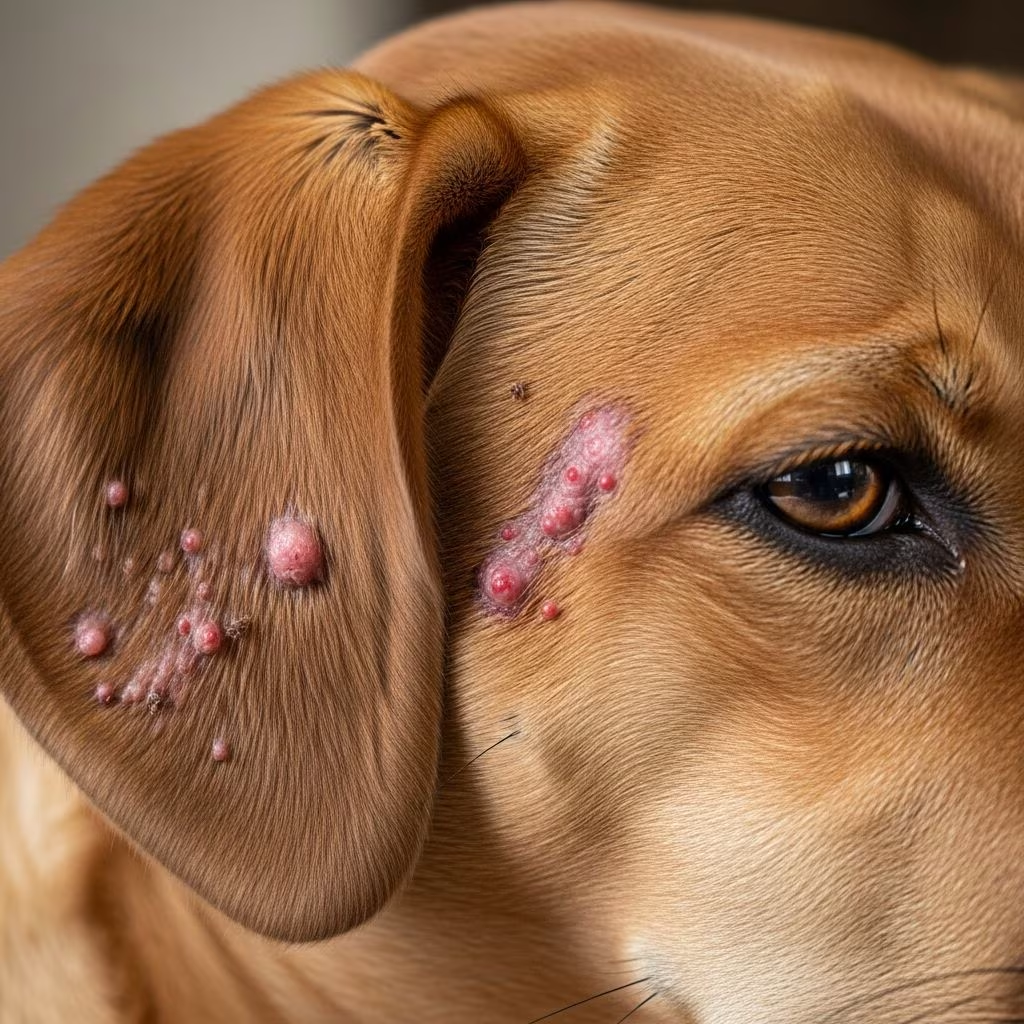
Understanding Sarcoptic Mange in Dogs
Sarcoptic mange, commonly known as scabies, is a highly contagious skin condition affecting dogs caused by the Sarcoptes scabiei mite. This parasitic infection causes intense itching and discomfort for affected canines. The condition is transmissible to other dogs through direct contact with infested animals or contaminated environments. Understanding this condition is essential for pet owners to recognize symptoms early and seek appropriate veterinary care.
The sarcoptic mite is microscopic and burrows into the dog’s skin, triggering an intense allergic reaction. Dogs develop severe hypersensitivity to both the mite itself and its feces, resulting in characteristic excessive scratching and skin damage. Symptoms typically develop within 10 days to 8 weeks after exposure to an infested animal.
What Causes Sarcoptic Mange?
Sarcoptic mange is caused by the microscopic mite Sarcoptes scabiei, which burrows into the dog’s skin layers. These mites reproduce rapidly, creating tunnels in the epidermis. The primary cause of infection is direct contact with an infested dog or exposure to contaminated bedding, grooming tools, or environments where infected animals have been present.
Certain risk factors increase susceptibility to sarcoptic mange:
– Dogs with weakened immune systems- Puppies and senior dogs- Dogs with poor nutrition- Animals living in crowded conditions such as kennels or shelters- Dogs with existing skin conditions- Animals exposed to infected strays or wildlife
Some dogs may become asymptomatic carriers, harboring the mites without showing clinical signs but still capable of transmitting the infection to other animals.
Recognizing the Symptoms
Identifying sarcoptic mange early is crucial for prompt treatment. The condition presents with distinctive clinical signs that progressively worsen without intervention.
Primary Symptoms
The defining symptom of sarcoptic mange in dogs is severe itching, often described as intense and relentless. This extreme pruritus is the dog’s allergic response to the mites and their byproducts. Affected dogs will constantly scratch, chew, and bite at their skin, creating self-inflicted wounds.
Common clinical signs include:
– Severe itching and scratching- Hair loss (alopecia), particularly on legs, belly, and chest- Red, inflamed skin with visible irritation- Thick, yellow crusts and scales on the skin- Self-inflicted wounds and excoriations- Raised bumps called papules- Thickened, darkened skin in advanced cases
Affected Areas
Sarcoptic mites have a preference for areas with less hair coverage. The condition typically begins on the ventral abdomen, chest, and ear margins. As the infection progresses, lesions commonly appear on the elbows, hocks (ankles), and armpits. Without treatment, the mites spread to affect the entire body, causing generalized skin involvement.
Secondary Complications
Continuous scratching and skin damage can lead to secondary bacterial and yeast infections. These infections may present as crusted lesions with characteristic ring-like patterns (collarettes) or draining wounds that weep fluid. In severe cases, dogs may develop suppurative otitis externa (infected ear canals) with possible tympanic membrane perforation.
Systemic Symptoms
Beyond skin-related signs, severely affected dogs may experience systemic symptoms including depression, lethargy, decreased appetite, and weight loss. The constant discomfort and energy expenditure from persistent scratching exhausts the dog’s physical resources. In chronic, untreated cases, dogs may develop severe seborrhea, substantial skin thickening with fold formation, peripheral lymphadenopathy, and emaciation.
Diagnosis of Sarcoptic Mange
Veterinarians diagnose sarcoptic mange through clinical examination combined with diagnostic testing. The veterinarian will evaluate the dog’s skin condition, noting the distribution and appearance of lesions. Skin scrapings are collected to identify sarcoptic mites under microscopic examination, though mites can be difficult to visualize in well-groomed dogs or those recently bathed.
In cases where mites aren’t identified but clinical signs strongly suggest sarcoptic mange, veterinarians may recommend empirical treatment based on symptom presentation. This approach, combined with treatment response monitoring, often confirms the diagnosis. A condition called “scabies incognito” occurs in well-maintained dogs where mites are present but difficult to demonstrate on skin scrapings due to regular grooming and bathing removing crusts and scales.
Treatment Options for Sarcoptic Mange
Fortunately, sarcoptic mange is highly treatable when owners follow their veterinarian’s recommendations. Several effective medications eliminate the mites and resolve symptoms. Treatment approaches vary based on the dog’s condition, age, health status, and owner preferences. Many pets require combination therapy for optimal results.
Topical Treatments
Topical medications are applied directly to the skin and come in two primary forms:
Dips: Traditional dips including amitraz and lime-sulfur solutions were historically the most common treatments. These are administered as full-body soaks, typically weekly. However, newer and more effective treatments have largely replaced dips due to their inconvenience, potential skin irritation, and the superior efficacy of modern alternatives.
Spot-On Applications: Modern topical medications applied to dry skin offer improved convenience and efficacy. These products are applied every 14 to 30 days as recommended by the veterinarian. Examples include selamectin (Revolution®), fipronil (Frontline®), and imidacloprid + moxidectin combination (Advantage Multi®, Imoxi™). These medications penetrate the skin or distribute through body oils, killing mites throughout the body.
Oral Medications
Systemic oral treatments offer convenient administration, particularly for dogs resistant to topical applications or those with extensive skin involvement. Available oral medications include milbemycin (Interceptor®, Sentinel®), afoxolaner (NexGard®), fluralaner (Bravecto®), and sarolaner (Simparica®). These medications may be prescribed as liquids, pills, or flavored chews depending on the specific product and dog’s age.
Veterinarians may also recommend off-label use of ivermectin, administered orally or subcutaneously at 200 mcg/kg, typically requiring 2-4 treatments spaced 2 weeks apart. Ivermectin is highly effective but contraindicated in avermectin-sensitive breeds such as Collies, Australian Shepherds, and related herding breeds.
Combination Therapy Approach
Many dogs require combination treatments addressing multiple aspects of the infection simultaneously. This might include miticidal therapy to kill mites, antibiotics to treat secondary bacterial infections, anti-itch medications for comfort, and medicated baths to cleanse affected skin. Some dogs benefit from a short course of corticosteroids such as prednisone to reduce inflammation and itchiness caused by dying mites.
Supportive Care
Beyond parasite-killing medications, supportive treatments enhance recovery and prevent self-inflicted damage. Medicated baths with antimicrobial or antiparasitic shampoos provide skin cleansing and additional therapeutic benefit. Anti-itch medications offer relief during treatment, reducing the dog’s urge to scratch and chew. In severe cases, veterinarians may recommend an Elizabethan collar (e-collar) to prevent self-trauma during the healing process.
Treatment Timeline and Outcomes
The duration of treatment depends on the selected medication and severity of infection. Most dogs show improvement within two weeks of starting appropriate treatment, with full clinical resolution typically occurring within 6-8 weeks. Parasitologic cure—complete eradication of all mites—may take slightly longer than resolution of clinical signs.
Treatment success depends on several factors including consistent medication administration, completion of the full treatment course, and adherence to follow-up veterinary examinations. Dogs must continue treatment for several weeks beyond clinical cure to ensure all mites are eliminated and prevent recurrence.
Household Management and Prevention
All dogs in the household must receive treatment for sarcoptic mange, even those showing no clinical signs, to prevent recurrence and break the transmission cycle. Asymptomatic carriers can harbor and transmit mites to treated dogs, causing reinfection.
Environmental management includes thorough cleaning and disinfection of:
– Dog bedding and blankets- Grooming tools- Collars and harnesses- Furniture where the dog rests- Carpeted areas the dog frequents
Washing items in hot water and using appropriate disinfectants kills mites in the environment. Regular vacuuming and cleaning reduce environmental mite contamination.
Is There a Cure for Sarcoptic Mange?
Yes, sarcoptic mange is highly curable with appropriate treatment. When owners implement a comprehensive approach combining proper medication administration, supportive care, household treatment of all dogs, and recommended follow-up examinations, dogs recover completely. Hair loss resolves with time as new hair growth replaces damaged coat. Skin thickening gradually normalizes as inflammation decreases.
Treatment success rates are excellent when owners comply with veterinary recommendations and complete the full treatment course without premature discontinuation.
Prevention Strategies
While sarcoptic mange can affect any dog, several prevention strategies reduce infection risk:
– Minimize contact with stray or unknown dogs- Avoid contaminated environments where infected animals have been present- Maintain regular parasite prevention with veterinarian-approved products- Ensure proper nutrition to support immune function- Practice good hygiene with grooming tools and equipment- Seek immediate veterinary care for itching dogs to prevent spread
Frequently Asked Questions (FAQs)
Q: Is sarcoptic mange contagious to humans?
A: While sarcoptic mites can cause temporary irritation on human skin (sarcoptic mange is zoonotic), they cannot establish permanent infection in humans as they are species-specific. If you suspect exposure, wash affected skin with soap and water. Contact a healthcare provider if irritation persists.
Q: How long does treatment take?
A: Most dogs show improvement within two weeks, with full resolution typically occurring within 6-8 weeks of appropriate treatment. Treatment duration depends on the medication used and infection severity.
Q: Can sarcoptic mange recur after treatment?
A: Recurrence is unlikely with proper treatment completion and household management. However, reinfection can occur if the dog encounters infected animals or contaminated environments. Continuing preventive parasite treatments helps reduce recurrence risk.
Q: What if my dog is not responding to treatment?
A: If a dog doesn’t respond adequately to the initial treatment, veterinarians can switch to alternative medications that may provide better results. Different dogs respond differently to various treatments, and changing medications often speeds resolution.
Q: Do I need to treat my other pets?
A: Yes, all dogs in the household should receive treatment, even those without symptoms, to prevent recurrence and break the transmission cycle. Cats are rarely affected but should be monitored.
Q: Which treatment option is best for my dog?
A: Your veterinarian will recommend the best treatment based on your dog’s age, health status, lifestyle, and specific needs. Discuss preferences regarding topical versus oral medications to find the best fit for your family.
References
- Sarcoptic Mange in Dogs — VCA Animal Hospitals. https://vcahospitals.com/know-your-pet/mange-sarcoptic-in-dogs
- Sarcoptic Mange in Dogs: Symptoms, Diagnosis, and Treatment — PetMD. https://www.petmd.com/dog/conditions/skin/c_dg_sarcoptic_mange
- Mange in Dogs and Cats – Integumentary System — MSD Veterinary Manual. https://www.msdvetmanual.com/integumentary-system/mange/mange-in-dogs-and-cats
- Sarcoptic Mange (Scabies) — Cornell University College of Veterinary Medicine, Riney Canine Health Center. https://www.vet.cornell.edu/departments-centers-and-institutes/riney-canine-health-center/canine-health-topics/sarcoptic-mange-scabies
- Sarcoptic Mange in Dogs — Small Door Veterinary. https://www.smalldoorvet.com/learning-center/medical/sarcoptic-mange-in-dogs



