

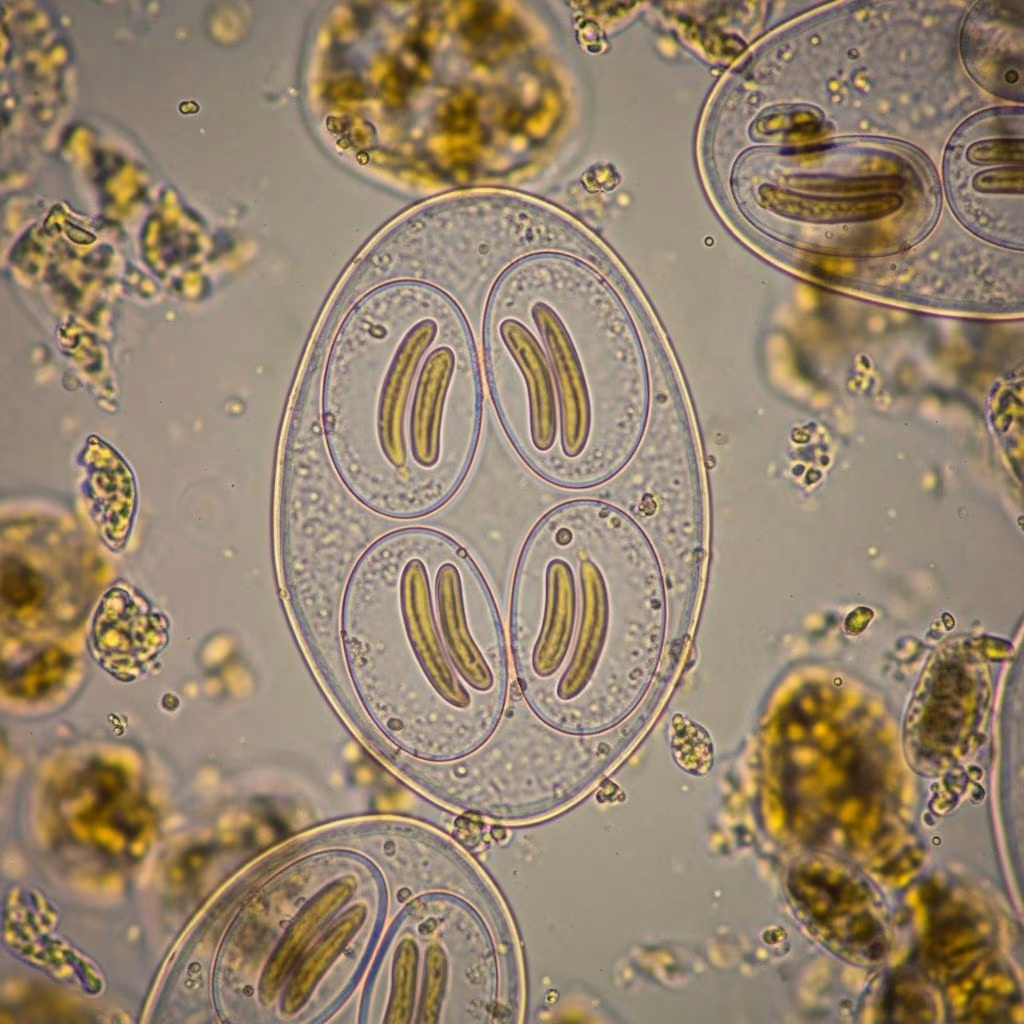
Canine sarcocystosis represents a parasitic condition triggered by protozoans from the Sarcocystis genus, which dogs can encounter through contaminated food sources or environmental exposure. While many infections remain subclinical, certain strains like S. caninum and S. svanai have been linked to serious health complications including muscle inflammation and liver involvement. This guide delves into the biology of the parasite, how it impacts dogs, recognition of issues, veterinary approaches, and practical safeguards to protect your pet.
The Nature of Sarcocystis Parasites
Sarcocystis species are intracellular protozoans that follow a two-host life cycle: carnivores or omnivores like dogs act as definitive hosts, shedding infectious forms in feces, while herbivores or other animals serve as intermediate hosts harboring cysts in their tissues. In dogs, ingestion of raw or undercooked meat containing these cysts—often from cattle, pigs, or wildlife—sparks the intestinal phase, leading to oocyst release over weeks to months.
Though typically harmless in definitive hosts, heavy exposure or specific species can provoke mild digestive upset such as loose stools. Far more concerning is when dogs become intermediate hosts, developing cysts in muscles or organs, potentially resulting in debilitating myositis or hepatitis. Factors like immune competence and parasite load dictate disease severity; low-dose exposures often yield chronic, unnoticed infections, whereas overwhelming doses trigger acute pathology.
How Dogs Contract the Infection
Dogs primarily acquire sarcocystosis by consuming infected intermediate host tissues. Common routes include:
- Raw meat diets featuring undercooked beef, pork, or game harboring sarcocysts.
- Scavenging carcasses of wildlife or livestock contaminated with cysts.
- Ingestion of food or water tainted by sporocysts from infected carnivore feces.
In regions with free-roaming dogs or access to raw feeding, prevalence rises. Experimental data show cysts form in dog muscles roughly 1-2 weeks post-infection, persisting long-term without symptoms in most cases. Zoonotic risks exist globally, though Canadian strains appear non-transmissible to humans; worldwide, undercooked meats pose human hazards.
Recognizing Symptoms in Affected Dogs
Most canine infections pass without notice, but clinical manifestations emerge in vulnerable or heavily burdened animals. Intestinal sarcocystosis may cause transient nausea, belly discomfort, and diarrhea lasting up to two days. When cysts proliferate in somatic tissues, severe syndromes appear:
| Symptom Category | Common Signs | Associated Complications |
|---|---|---|
| Gastrointestinal | Diarrhea, vomiting, appetite loss | Mild, self-resolving in healthy dogs |
| Musculoskeletal | Muscle pain, weakness, reluctance to move, atrophy (often hindlimbs) | Myositis, elevated creatine kinase |
| Systemic | Fever, lethargy, depression, aggression | Lymphopenia, thrombocytopenia, liver enzyme spikes |
| Neurological (rare) | Head tilt, paresis, nystagmus | Brainstem or multifocal involvement |
Case studies highlight acute presentations: two dogs exhibited fever, blood abnormalities, hyperbilirubinemia, and profound myopathy with sarcocyst proliferation confirmed via biopsy and PCR. Muscle histopathology revealed necrotizing inflammation riddled with parasites, underscoring the diagnostic challenge in mimicking other myopathies.
Veterinary Diagnosis Strategies
Pinpointing sarcocystosis demands a blend of clinical acumen and lab confirmation, as signs overlap with viral, bacterial, or immune-mediated disorders. Initial assessments include:
- Bloodwork: Detecting anemia, low platelets/white cells, high ALT/CK levels.
- Fecal analysis: Flotation to spot oocysts/sporocysts in definitive host phase.
- Imaging: Ultrasound or MRI for muscle/organ changes.
- Biopsy: Muscle samples for histopathology, electron microscopy, immunostaining, and PCR targeting 18S rRNA genes to speciate Sarcocystis.
PCR proves invaluable for distinguishing pathogenic strains like those beyond S. neurona, absent in these canine cases. Early intervention hinges on suspecting the parasite in dogs with raw meat histories or multisystemic decline.
Treatment Approaches and Outcomes
No universal cure eradicates tissue cysts, but targeted therapies manage acute phases and intestinal shedding. For definitive host diarrhea, potentiated sulfonamides clear gut stages. Intermediate host myositis responds variably:
- Decoquinate: One survivor dog improved after clindamycin failure; dosed per veterinary guidance.
- Supportive care: Anti-inflammatories, fluids, pain relief for fever, weakness.
- Anticoccidials: Amprolium or salinomycin prophylactically in ruminants, potentially adaptable.
Pyrimethamine-sulfadiazine combinations treat related equine cases but lack canine validation. Prognosis varies: fatal in severe myositis without prompt decoquinate, yet many recover with intervention. Chronic cysts persist untreated.
Prevention: Key Steps for Dog Owners
Disrupting the predator-prey cycle prevents infection:
- Avoid raw meat; cook to 70°C (158°F) for 15 minutes or freeze at -20°C (-4°F) for 1 day.
- Prevent scavenging; secure trash, supervise outdoors.
- Maintain hygiene: Prompt feces removal reduces sporocyst spread.
- Balanced commercial diets minimize risks over homemade raw.
Farmers curb ruminant losses via similar meat handling and carnivore exclusion. No vaccines exist, but low-dose exposure may confer partial immunity.
Broader Implications and Zoonotic Concerns
Though rare in dogs, sarcocystosis underscores raw feeding perils, with subclinical impacts on growth mirroring swine/ruminant losses. Humans risk intestinal or muscular forms from global contaminated meats. Michigan advises against feeding infected wild game to pets. Vigilance ensures canine vitality.
Frequently Asked Questions (FAQs)
Is sarcocystosis fatal in dogs?
Rarely, but severe myositis can be lethal without treatment like decoquinate.
Can my dog get sarcocystosis from commercial kibble?
Unlikely, as processing destroys cysts; raw diets pose higher risk.
How do I know if my dog’s muscle pain is sarcocystosis?
Vet evaluation with bloodwork, biopsy, PCR needed for confirmation.
Is there a vaccine for canine sarcocystosis?
No, prevention relies on diet and hygiene.
Can sarcocystosis spread dog-to-dog?
Indirectly via fecal contamination, not direct contact.
References
- Sarcocystosis in Animals – Musculoskeletal System — Merck Veterinary Manual. 2023. https://www.merckvetmanual.com/musculoskeletal-system/sarcocystosis/sarcocystosis-in-animals
- Severe myositis associated with Sarcocystis spp. infection in 2 dogs — PubMed (American College of Veterinary Internal Medicine). 2011-11-29. https://pubmed.ncbi.nlm.nih.gov/22092617/
- Sarcocystis species – Learn About Parasites — Western College of Veterinary Medicine, University of Saskatchewan. 2023. https://wcvm.usask.ca/learnaboutparasites/parasites/sarcocystis-species.php
- Vet’s 2025 Guide to Canine Sarcocystosis Causes, Diagnosis & Care — Ask A Vet. 2025. https://askavet.com/blogs/news/vet-s-2025-guide-to-canine-sarcocystosis-causes-diagnosis-care
- Sarcocystosis in Dogs – Dog Owners — MSD Veterinary Manual. 2023. https://www.msdvetmanual.com/dog-owners/bone-joint-and-muscle-disorders-of-dogs/sarcocystosis-in-dogs



