

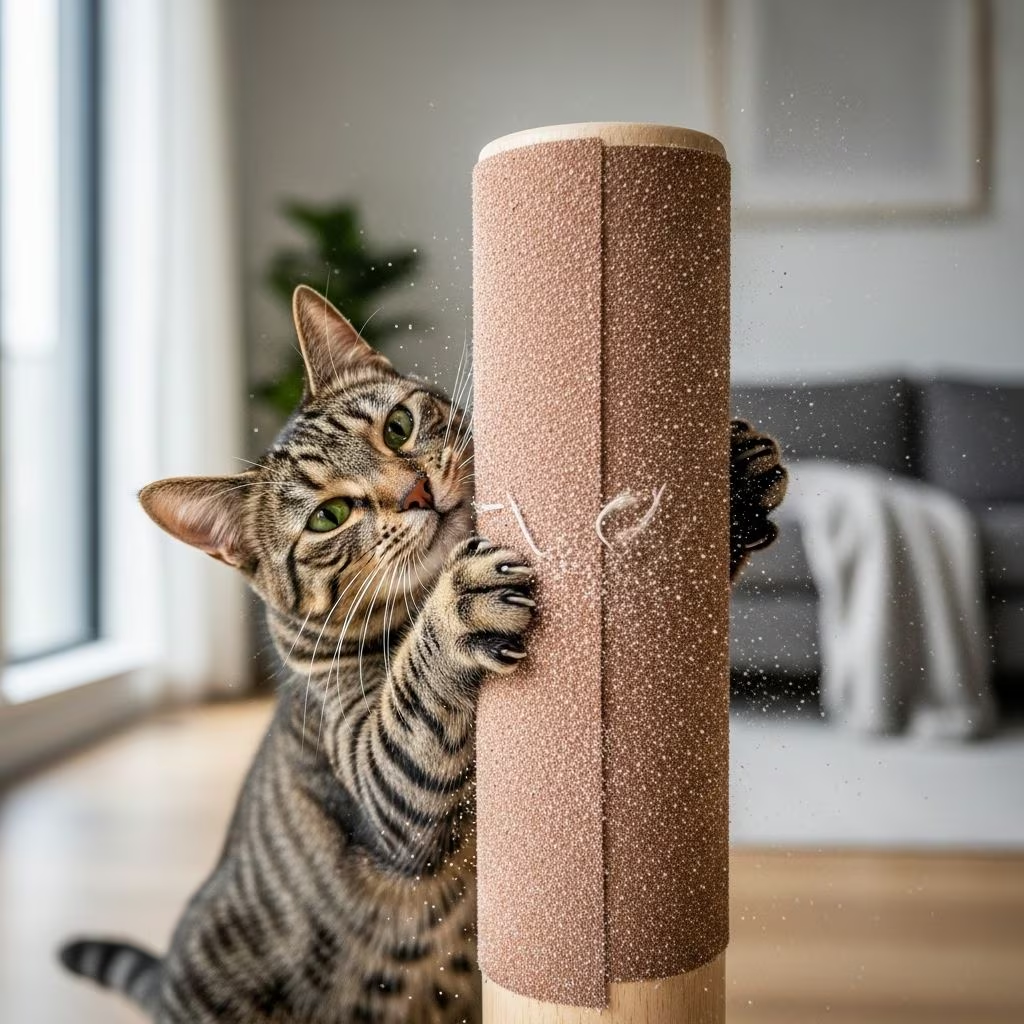
Cats scratch for essential reasons like claw maintenance, stretching, and territory marking, making sandpaper scratchers a smart, durable alternative to traditional posts that align with these instincts while protecting household items.
The Natural World of Cat Scratching
Scratching ranks among a cat’s most instinctive behaviors, serving multiple vital functions beyond mere destruction of furniture. Cats use their claws to shed old nail sheaths, sharpen tips for hunting precision, and stretch muscles in the shoulders and back, promoting physical health and flexibility. This action also deposits pheromones from paw glands, visually and olfactorily claiming spaces as their own, which provides a sense of security even in single-pet homes.
Recent behavioral research challenges the long-standing view that excessive scratching signals distress, suggesting it often correlates with positive states like relaxation or social comfort. In a 2025 study surveying nearly 1,800 cat owners, scratching frequently occurred near resting spots and play areas rather than boundaries, indicating contentment rather than anxiety. Organizations like the San Diego Humane Society emphasize that attempting to eliminate scratching entirely ignores these natural needs, potentially leading to frustration or health issues.
Why Sandpaper Scratchers Stand Out
Sandpaper scratchers mimic the rough, abrasive textures cats seek in nature, such as tree bark, offering superior claw filing compared to sisal or carpet alternatives. Their gritty surface effectively removes outer claw layers without fraying, providing a satisfying resistance that encourages repeated use. Unlike fabric posts that wear out quickly, sandpaper materials endure heavy scratching sessions, making them cost-effective for multi-cat households.
These scratchers excel in versatility, available as mats, wall mounts, or adhesive sheets that blend seamlessly into homes. They target high-traffic zones where cats naturally scratch—near beds, sofas, and doorways—redirecting behavior proactively. By fulfilling physical and emotional needs, sandpaper options reduce unwanted scratching by up to 80% in observant owners’ reports, fostering harmonious living.
Key Advantages Over Traditional Options
Sandpaper scratchers provide distinct edges in durability, ease of maintenance, and feline appeal. Here’s a comparison:
| Feature | Sandpaper Scratcher | Sisal Post | Cardboard Mat |
|---|---|---|---|
| Durability | High; resists shredding for months | Medium; frays over time | Low; needs frequent replacement |
| Claw Maintenance | Excellent abrasion for sheath removal | Good texture but less precise | Moderate; can dull claws |
| Space Efficiency | Wall or flat options save floor space | Bulky upright designs | Compact but piles up when used |
| Cost per Year | Low after initial buy | Medium with replacements | High due to disposability |
| Cat Attraction | Strong; gritty feel draws instinctive use | Popular but wears unevenly | Initially appealing, loses novelty |
This table highlights why sandpaper variants often become long-term favorites, balancing efficacy with practicality.
Selecting the Perfect Sandpaper Scratcher
- Size and Shape: Opt for large mats (at least 24×16 inches) for full-body stretches or vertical panels for standing scratches, matching your cat’s preferred style.
- Grit Level: Medium-coarse grit (120-180) suits most adults; finer for kittens to avoid discomfort.
- Mounting Style: Self-adhesive sheets for furniture edges or freestanding boards for open areas.
- Material Quality: Look for non-toxic, odorless sandpaper backed by sturdy cardboard or wood, ensuring stability.
- Multi-Piece Sets: Ideal for covering multiple zones like entryways and lounging spots.
Consider your cat’s age and vigor—energetic young cats thrive on rugged surfaces, while seniors appreciate gentler textures. Testing samples via pet stores helps gauge appeal before committing.
Installation and Training Strategies
Proper setup maximizes adoption. Place scratchers in prime locations: beside food bowls, near sleeping areas, or at human interaction hubs where cats already show interest. For wall-mounted types, clean surfaces with alcohol wipes for secure adhesion, then press firmly for 24 hours.
Training involves positive reinforcement:
- Gently guide your cat’s paws to the surface during calm moments, rewarding with treats or praise.
- Cover unwanted areas temporarily with double-sided tape or plastic guards.
- Sprinkle catnip or silvervine on the new scratcher to boost allure.
- Observe patterns—if scratching spikes near playtime, position one nearby for energy release.
Consistency pays off within 1-2 weeks, as cats associate the tool with satisfaction. Avoid punishment, which heightens stress and counterproductive behaviors.
Real-World Success Stories and Tips
Owners report transformative results. One multi-cat home eliminated couch damage by installing adhesive sandpaper strips along seams, noting increased use during relaxed evenings. Another tip: rotate positions monthly to maintain novelty, preventing boredom.
For finicky cats, combine with toys—post-play scratching surges due to excitement, so a nearby scratcher captures that impulse. Regular vacuuming keeps surfaces clean, preserving the abrasive quality.
Addressing Common Concerns
Safety first: High-quality sandpaper won’t ingest if small pieces flake, but monitor kittens and vacuum routinely. Dust is minimal compared to sisal shedding. If allergies arise, hypoallergenic backing options exist.
Not all cats adapt immediately—about 10-20% prefer varied textures, so hybrid setups with sisal backups work best. Persistent furniture targeting may signal underlying issues like anxiety from household changes; consult vets if paired with hiding or appetite loss.
Maintenance for Longevity
These scratchers demand little upkeep. Shake off debris weekly, and replace when grit smooths (typically 4-12 months). Adhesive types peel off cleanly, leaving no residue. Store spares in dry areas to prevent warping.
Frequently Asked Questions
Will a sandpaper scratcher stop my cat from scratching furniture entirely?
Not guaranteed, but proper placement and training redirect 70-90% of behaviors effectively.
Are they safe for all cat ages?
Yes, with age-appropriate grit; start fine for kittens under 6 months.
How do I know when to replace it?
When the surface feels slick or your cat ignores it—test by scratching yourself.
Can I make my own DIY version?
Absolutely: Attach sandpaper sheets to plywood with staples or glue for custom sizes.
What if my cat still scratches people?
This signals play or overstimulation; provide outlets and respect boundaries, not furniture-related.
Enhancing Your Cat’s Scratching Routine
Integrate sandpaper scratchers into a holistic enrichment plan. Pair with climbing trees, puzzle feeders, and daily play to channel energies fully. Track progress via a simple journal: note locations, frequency, and triggers for tailored adjustments.
Ultimately, embracing scratching as healthy normalcy strengthens the cat-human bond. Sandpaper innovations make this effortless, turning potential conflicts into cooperative routines.
References
- What Humans Need to Understand About Cat Scratching — Psychology Today. 2025-06. https://www.psychologytoday.com/us/blog/all-dogs-go-to-heaven/202506/rethinking-cat-scratching
- Why Do Cats Scratch? — San Diego Humane Society. 2023. https://sdhumane.org/resources/why-do-cats-scratch/
- Why is My Cat Scratching the Furniture? Understanding Feline Behavior — Cornerstone Veterinary Clinic. 2024. https://cornerstonevetclinic.com/?p=2100
- Why Do Cats Scratch? — Chewy. 2024. https://www.chewy.com/education/cat/training-and-behavior/why-do-cats-scratch
- Cat Behavior Problems – Scratching Behavior — VCA Animal Hospitals. 2025. https://vcahospitals.com/know-your-pet/cat-behavior-problems—scratching-behavior



