

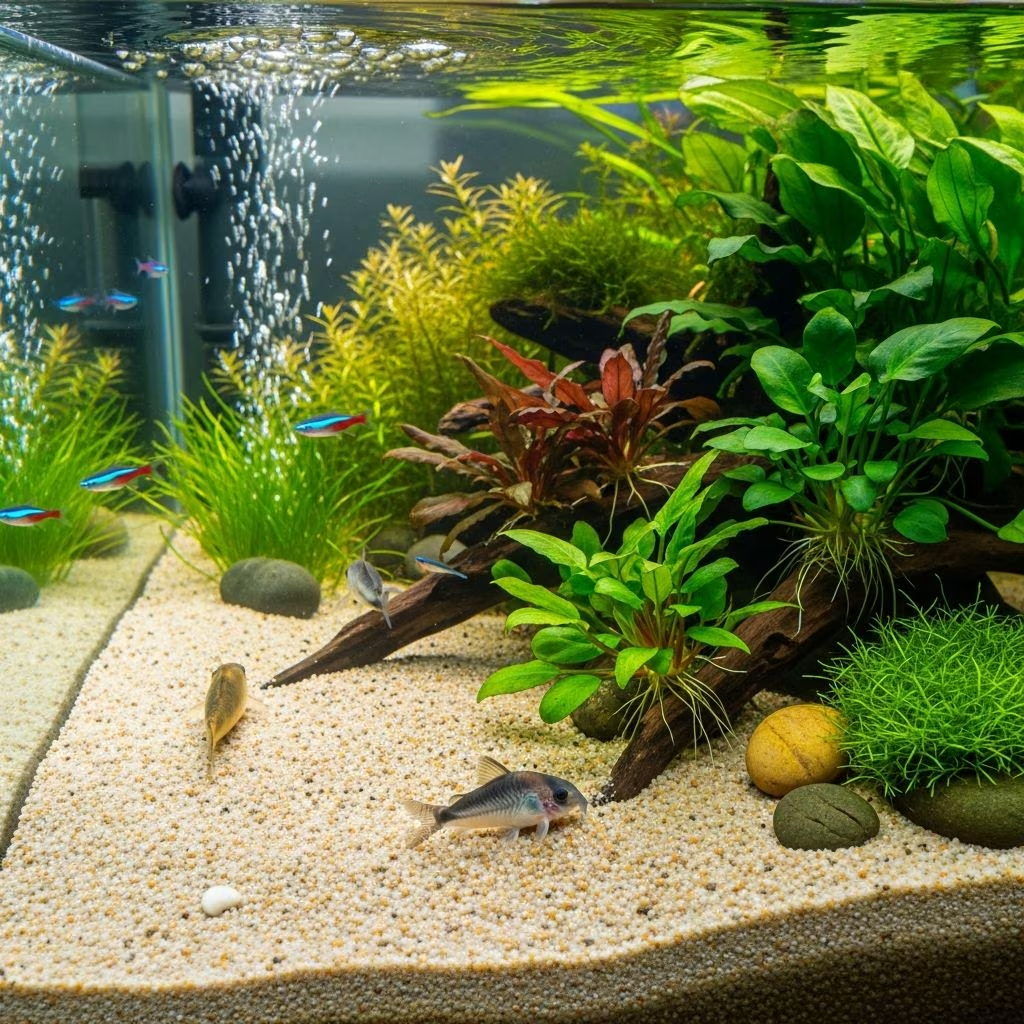
Sand has become an increasingly popular substrate choice for aquarium enthusiasts due to its aesthetic appeal and suitability for specific fish species and aquatic plants. However, maintaining a sand substrate requires a different approach compared to traditional gravel. Understanding the unique challenges and solutions for sand maintenance is essential for keeping your aquarium environment clean, stable, and conducive to thriving aquatic life. This comprehensive guide explores effective strategies for preparing, cleaning, and maintaining sand substrates throughout the life of your aquarium.
Understanding Sand as an Aquarium Substrate
Sand provides several advantages over conventional gravel substrates. Its fine particle structure creates a natural environment that mimics the seafloor or riverbed, benefiting bottom-dwelling fish species that prefer to sift and burrow through soft materials. Additionally, sand’s smooth surface and appearance create a more naturalistic aesthetic that many aquarists find appealing. However, sand’s finer composition also presents unique maintenance challenges that require specific cleaning techniques and equipment.
The critical factor distinguishing sand from gravel is how organic matter and waste accumulate within it. Sand particles pack more densely than larger gravel substrates, which can trap detritus and food particles more effectively. This characteristic demands more attentive maintenance practices to prevent the buildup of harmful substances that could compromise water quality and create anaerobic conditions detrimental to your aquatic ecosystem.
Pre-Installation Preparation: Rinsing New Sand
Before introducing sand to your aquarium, thorough rinsing is absolutely critical. New sand often contains dust, manufacturing residues, and fine particles that, if not removed, will create persistent cloudiness and potentially clog your filtration system. The rinsing process should never be rushed, as inadequate preparation will result in weeks of turbid water that compromises visibility and stresses tank inhabitants.
Faucet and Sink Method
The most accessible rinsing approach utilizes standard household fixtures. Begin by filling a bucket approximately one-third full with dry sand, then position it in a large sink or basin. Direct a strong water stream directly into the sand while simultaneously stirring the substrate with your hands or a tool. This combination of water force and agitation helps suspend and flush away fine particles. Once the bucket is full, stop the water flow and continue stirring vigorously, then carefully pour off the cloudy water without losing substrate down the drain.
This process requires patience and repetition. Most sand requires 10 or more complete rinsing cycles before the water remains clear. Monitor the water clarity closely after each rinse—when the water runs clear without visible turbidity, you can be confident that most sediment has been removed.
Outdoor Garden Hose Method
For larger quantities of sand, the garden hose approach offers efficiency and control. Fill a bucket one-third full and take it outside, then insert a garden hose to the bottom of the bucket and turn on the water. Adjust the flow rate to create sufficient agitation while allowing water to overflow naturally. As cloudiness decreases, reposition the hose and continue the process until water runs clear. This method reduces the physical labor required and allows gravity and natural overflow to remove suspended particles.
After rinsing is complete, drain excess water carefully and allow the sand to air-dry for at least 24 hours before introducing it to the aquarium. If using treated tap water with chlorine or chloramine, add a water conditioner to neutralize these chemicals before adding the sand to your tank.
Strategic Layering for Optimal Performance
How you arrange sand within your aquarium significantly impacts both maintenance requirements and functionality. A thoughtful layering approach prevents compaction, promotes beneficial bacterial growth, and facilitates root development for planted tanks.
| Layer Type | Composition | Depth | Primary Function |
|---|---|---|---|
| Foundation Layer | Nutrient-rich soil or aquasoil | 1-2 cm | Plant nutrition and root support |
| Middle Layer | Fine lava granules or porous sand | 1-2 cm | Drainage and bacteria colonization |
| Surface Layer | Decorative sand | 2-4 cm | Aesthetics and fish comfort |
The total substrate depth should typically remain between 2 and 4 centimeters. Exceeding this depth creates risks of anaerobic pockets forming deep within the sand, where oxygen depletion leads to harmful bacterial processes and potential release of toxic gases. Conversely, extremely thin layers may not provide adequate stability for plants or sufficient surface area for beneficial bacteria to establish.
Active Cleaning During Regular Maintenance
Maintaining a clean sand substrate requires a more delicate approach than cleaning gravel. The gentler cleaning techniques preserve the beneficial microbial communities within the sand while removing accumulated organic waste.
Gravel Vacuum and Siphon Techniques
Standard gravel vacuums can be used on sand substrates, but technique is essential. Unlike with gravel, a gentle touch prevents pulling sand from the aquarium. Begin by adjusting the suction rate to a low setting—the goal is extracting water and detritus without lifting substrate. Hover the vacuum head slightly above the sand surface rather than pushing it deeply into the substrate. Use slow, deliberate movements across the tank bottom, pausing frequently to allow debris to be drawn into the siphon without excessive sand removal.
Expect that complete substrate cleaning may require multiple water change sessions spread across a week. Remove no more than 50 percent of the water volume per cleaning session to avoid shocking the inhabitants and disrupting the biological balance. If you notice excessive sand exiting through the vacuum, reduce the suction strength further and proceed more slowly.
Manual Stirring and Aeration
Between vacuum sessions, gently stirring small areas of the substrate with your hand or a long-handled tool serves an important maintenance function. This stirring resuspends settled detritus, allowing the aquarium filter to capture particles before they decompose and degrade water quality. Work in small sections during each maintenance session to avoid overwhelming the filtration system with excessive organic material simultaneously.
Some aquarists introduce Malaysian trumpet snails to their sand substrate, as these organisms naturally burrow and aerate sand through their movement. This biological approach to substrate maintenance reduces the need for manual stirring while providing additional biological filtration benefits.
Critical Maintenance Practices for Long-Term Success
Beyond the basic cleaning and rinsing procedures, several practices directly influence how effectively you maintain a sand substrate over extended periods.
Substrate Depth Considerations
The depth of your sand layer remains one of the most significant factors affecting maintenance difficulty. Thinner substrates—approximately 1 to 2 inches—trap considerably less organic debris and remain far easier to maintain. Deeper substrates, while offering benefits for heavily planted tanks or specific fish species, demand more frequent and thorough maintenance to prevent anaerobic zone development. Select your depth based on your specific tank requirements and willingness to commit to more intensive maintenance schedules.
Overfeeding Prevention
One of the most common errors leading to sand substrate problems is overfeeding tank inhabitants. Excess food particles that settle into the sand decompose rapidly, consuming oxygen and creating anaerobic conditions. Establishing a strict feeding discipline where you provide only the amount of food your fish will consume within a few minutes dramatically reduces the organic load on your substrate. Visual inspection of your sand surface will indicate whether you’re feeding appropriately—minimal uneaten food particles suggest good feeding practices.
Water Flow Optimization
Maintaining adequate water circulation throughout your tank helps keep detritus suspended in the water column rather than allowing it to settle permanently into the sand. Powerheads positioned to create gentle but consistent current patterns enable your filtration system to capture suspended particles before they accumulate on the substrate. This preventive approach reduces the frequency and intensity of manual cleaning required.
Specialized Sand Types and Their Maintenance Needs
Different sand varieties present varying maintenance considerations. Inert sands composed of quartz or silica are chemically stable and don’t require special rinsing beyond standard dust removal. However, live sand—sand containing beneficial bacteria and microorganisms—should never be rinsed with fresh water before use, as this kills the beneficial biological community it contains. Some initial cloudiness is expected with live sand, typically clearing within 24 to 48 hours once filtration is activated.
Dyed decorative sands require verification that dyes are aquarium-safe and won’t leach into the water column. Avoid common play sand or construction-grade sand, as these often contain harmful additives and heavy metals unsuitable for aquatic environments. Specialist aquarium sands undergo testing and quality control to ensure safety for your inhabitants.
Preventing Common Sand Substrate Problems
Understanding the most frequent issues helps you avoid them entirely through proactive management strategies.
- Cloudiness and turbidity: Results from inadequate initial rinsing or disturbance of settled particles; prevent through thorough pre-installation preparation and gentle handling during maintenance
- Compaction and anaerobic zones: Develop when sand becomes too densely packed; address through regular stirring and strategic layering with porous materials
- Detritus accumulation: Occurs from overfeeding and insufficient water circulation; manage through feeding discipline and optimized water flow patterns
- Filter clogging: Results from excessive sand dust entering filtration; prevent through meticulous rinsing and careful vacuum technique
- Gas pocket formation: Develops in overly thick, undisturbed substrate; eliminate through adequate depth management and regular aeration
Maintenance Schedule for Year-Round Substrate Health
Establishing a consistent maintenance routine ensures your sand substrate remains in optimal condition throughout the year. Weekly light stirring of small substrate areas during regular water changes helps prevent compaction and anaerobic conditions. Biweekly or monthly more thorough vacuuming removes accumulated detritus while maintaining the substrate’s biological integrity. Annually, assess your sand’s overall condition and consider whether complete replacement or supplementation with fresh material is necessary, particularly if you notice persistent odors or discoloration indicating anaerobic degradation.
Frequently Asked Questions
How often should I vacuum my sand substrate?
Most tanks benefit from weekly light maintenance combined with more thorough vacuuming every two to four weeks, depending on bioload and feeding practices. Heavily stocked tanks may require more frequent attention.
Can I use a regular gravel vacuum on sand?
Yes, standard gravel vacuums work on sand with proper technique. The key difference is using minimal suction and keeping the vacuum head slightly above the substrate surface rather than pressing it into the sand.
What causes sand to become cloudy after setup?
Inadequate rinsing before installation is the primary cause. Additionally, disturbance of the substrate during initial setup can suspend fine particles. Most cloudiness clears within 24 to 48 hours with active filtration.
Is deeper sand always better?
Deeper substrates benefit planted tanks and certain fish species, but increase maintenance requirements. Choose depth based on your specific tank needs and maintenance capacity.
Can sand substrates develop harmful bacteria?
Sand supports beneficial bacteria essential for the nitrogen cycle. However, anaerobic bacteria can develop in neglected, compacted sand lacking oxygen, producing toxic hydrogen sulfide. Regular maintenance prevents this problem.
References
- Aquarium Sand Guide: Best Practices for Safe, Clean & Beautiful Substrates — Aquarium Lesson. 2024. https://aquariumlesson.com/lessons/aquarium-sand-guide/
- How To Clean Sand And Gravel In An Aquarium — Bulk Reef Supply. 2020. https://www.bulkreefsupply.com/content/post/md-2020-09-how-to-clean-sand-or-gravel-for-the-aquarium



