
Sand Impaction in Dogs: Risks and Solutions
Discover how sand ingestion turns beach fun into a veterinary emergency for dogs, with vital info on symptoms, treatments, and prevention strategies.
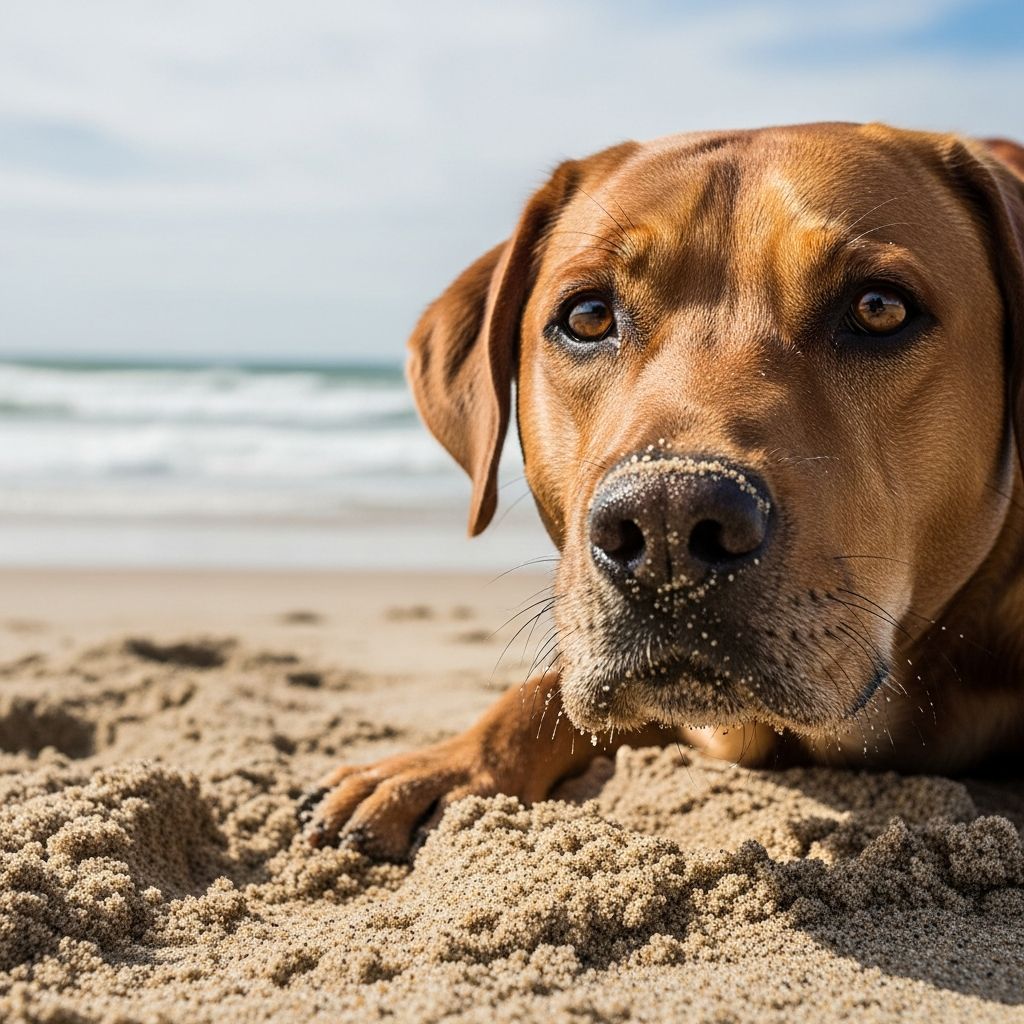
Sand impaction develops when dogs ingest excessive sand, forming a dense mass in the gastrointestinal tract that obstructs normal digestion. This condition poses significant risks, particularly during summer beach visits, and demands prompt veterinary intervention to prevent life-threatening complications.
Understanding the Mechanism of Sand Buildup
Dogs often consume sand unintentionally while playing on beaches, digging in sandy soil, or retrieving toys coated in grit. Unlike digestible food, sand particles do not break down; instead, they absorb moisture from the gut, becoming heavy and compacting into a cement-like blockage primarily in the stomach or intestines.
This accumulation irritates the intestinal lining, disrupts nutrient absorption, and halts the passage of food and waste. Small quantities may pass naturally, but larger volumes create partial or complete obstructions, leading to severe distress.
Common Causes Linked to Playtime Activities
- Retrieving sandy tennis balls or sticks during energetic beach games.
- Digging holes or burrowing in sand, followed by licking paws clean.
- Drinking seawater mixed with sand particles.
- Chewing on sandy toys or directly mouthing beach sand out of curiosity.
Puppies and breeds prone to pica—eating non-food items—are at higher risk, as are dogs in sandy regions like coastal areas.
Recognizing Early Warning Signs
Symptoms can emerge hours to days after exposure, starting subtly but escalating rapidly. Key indicators include:
- Persistent vomiting, often containing sand or foam.
- Lethargy and reluctance to move or play.
- Loss of appetite and abdominal bloating or tenderness.
- Diarrhea with visible sand grains, followed by straining without results.
- Restlessness, panting, or signs of pain like whining when touched.
Dehydration manifests as dry gums, sunken eyes, and reduced skin elasticity, compounding the issue through electrolyte imbalances.
Diagnostic Approaches in Veterinary Clinics
Veterinarians begin with a physical exam, palpating the abdomen for masses or discomfort and performing a rectal check for sand in feces. Blood tests assess dehydration, organ function, and infection markers.
Radiographs are crucial, revealing radio-opaque sand accumulations as distinct patterns in the gut. Repeat X-rays after fluid therapy help track progress, with follow-ups every 4-6 hours in severe cases.
| Diagnostic Tool | Purpose | Typical Findings |
|---|---|---|
| Abdominal X-rays | Visualize blockages | Sand-filled stomach/intestines, gas patterns |
| Bloodwork | Check electrolytes, hydration | Elevated white cells, imbalances |
| Ultrasound | Assess soft tissues | Thickened walls, fluid pockets |
Treatment Strategies by Severity Level
Treatment escalates with impaction severity. Mild cases respond to outpatient care, while critical ones require hospitalization.
Mild Impactions
Supportive therapy includes anti-nausea drugs, a bland diet, and laxatives to encourage sand passage. Monitoring ensures resolution within 24-48 hours.
Moderate Cases
Intravenous fluids rehydrate and soften the mass, paired with motility enhancers. Hospital stays last 1-3 days, with serial imaging.
Severe Blockages
Surgery becomes necessary for unrelieved obstructions, involving exploratory laparotomy to manually extract sand. Post-op care includes antibiotics and pain management, with good prognosis if addressed early.
Studies show early intervention yields high success rates; one review noted only one fatality among eight surgical cases when treated promptly.
Preventive Measures for Safe Beach Outings
Avoiding sand ingestion preserves fun without emergencies:
- Rinse toys frequently in seawater or fresh water during play.
- Discourage digging by redirecting to fetch or designated dig zones.
- Provide fresh water to deter salty seawater consumption.
- Supervise closely and limit playtime on heavily sandy beaches.
- Brush paws and mouth post-visit to remove grit.
Long-Term Monitoring After Recovery
Post-treatment, feed high-fiber diets to aid gut motility and schedule follow-up X-rays. Watch for recurrence in sandy environments, and consider breed-specific risks for pica-prone dogs.
FAQs on Sand Impaction
How quickly do symptoms appear after sand ingestion?
Signs may start within hours but often develop over 1-3 days as the mass forms.
Can small amounts of sand harm my dog?
Minimal ingestion usually passes harmlessly, but monitor for any distress.
Is surgery always required?
No, many cases resolve medically; surgery is for non-responsive severe impactions.
Which dogs are most vulnerable?
Active beach-goers, diggers, and pica-prone breeds like Labs or young puppies.
What’s the prognosis with timely care?
Excellent—most dogs recover fully with early veterinary attention.
Regional Considerations and Statistics
Coastal and sandy-soil areas report higher incidences, emphasizing vigilance in places like Florida or California beaches. Veterinary data underscores summer peaks tied to increased outdoor play.
References
- Sand Impaction — Iowa Veterinary Specialties. 2024-06-18. https://www.iowaveterinaryspecialties.com/student-scholars/sand-impaction
- Understanding Sand Impaction In Dogs: Risks, Symptoms, And Prevention — Gulf Coast Vet Springhill. N/A. https://gulfcoastvetspringhill.com/blog/understanding-sand-impaction-in-dogs-risks-symptoms-and-prevention/
- Sand Colic & Impaction in Horses: Signs, Treatment & Prevention — Mad Barn. N/A. https://madbarn.com/sand-colic-in-horses/
- Sand Ingestion and Impaction in Dogs — Animal Friends. N/A. https://www.animalfriends.co.uk/dog/dog-advice/dog-maintenance-and-safety/sand-ingestion-and-impaction-in-dogs/
- Dog Ate Sand? Signs & Treatment of Sand Impaction — EVCC. N/A. https://evcc.com/blog/dog-ate-sand/
- Dog Suffers A ‘Sand Impaction’ After Beach Trip — Vets Now. 2019-03. https://www.vets-now.com/2019/03/dog-eating-sand/
Similar Articles








Read full bio of Sneha Tete




