

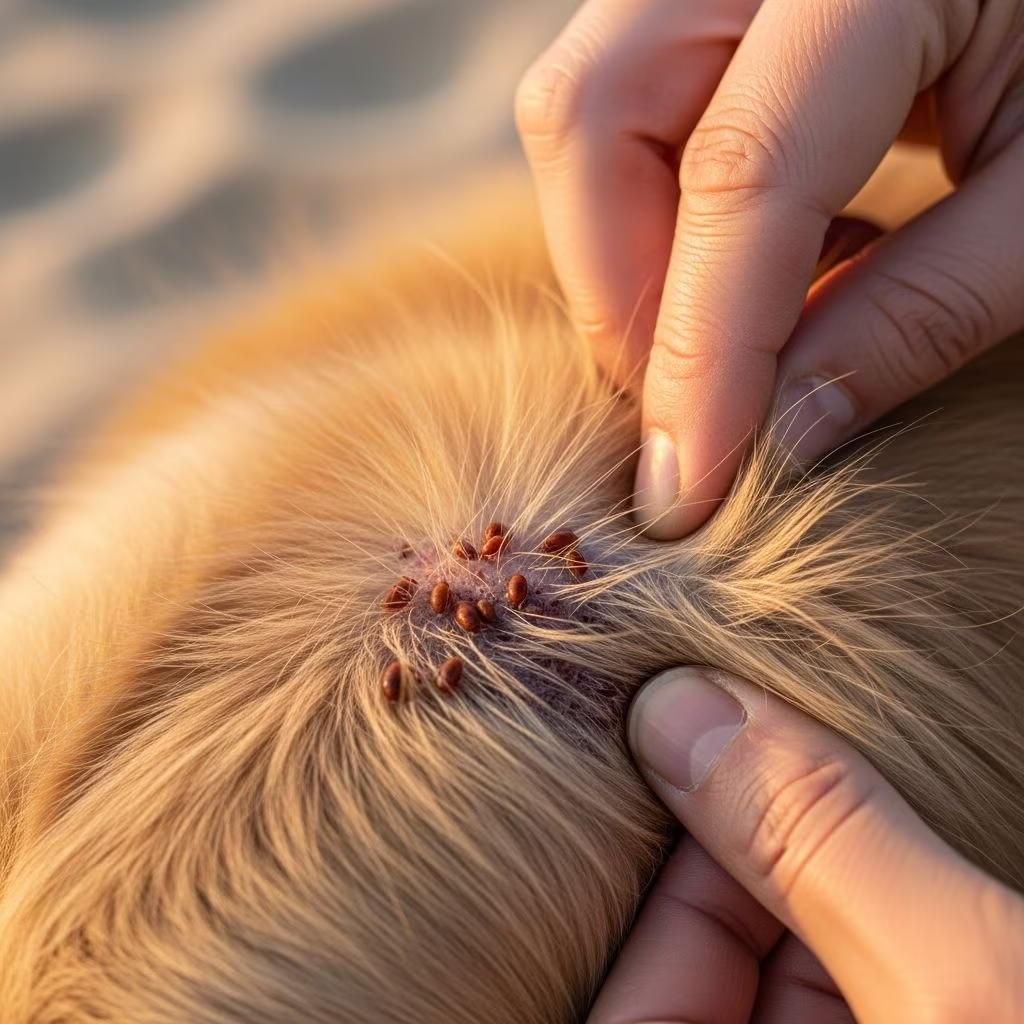
Sand fleas pose a unique challenge for dogs enjoying beach outings, as these tiny crustaceans can cause irritating bites and potential health issues. Unlike common fleas, standard preventatives often fail, requiring targeted strategies for protection and relief.
Understanding Sand Fleas and Their Impact on Canines
Sand fleas, also known as sandflies or beach fleas, are small crustaceans rather than insects, thriving in coastal sands, marshes, and damp areas. They burrow into skin, particularly on paws, bellies, and legs, leading to red, inflamed bites that itch intensely. Dogs may scratch excessively, risking secondary infections or anemia in severe cases. In regions with aggressive species, burrowing can cause tungiasis, though rare in North America.
These pests activate during cooler times like dawn, dusk, or post-rain, targeting exposed skin. Bites appear as small red bumps, often clustered on lower body parts, causing discomfort that prompts constant licking or chewing.
Recognizing Signs of Sand Flea Infestations in Dogs
Early detection prevents complications. Watch for:
- Red, swollen spots on paws, underbelly, or between toes.
- Intense itching, leading to hair loss or scabs.
- Limping or reluctance to walk on sand.
- Restlessness at night due to irritation.
- In advanced cases, lethargy from blood loss or infection.
A flea comb dipped in soapy water can reveal the tiny invaders or their eggs during inspection. Differentiate from regular fleas by location—sand fleas stick to beach exposures.
Proactive Prevention Strategies for Beach Days
Minimize exposure with these practical steps:
- Avoid beaches post-rain or during overcast dawn/dusk when fleas peak.
- Visit midday when sun deters them, checking sand temperature for paw safety.
- Use barriers like towels, mats, or chairs to keep dogs off direct sand.
- Discourage digging, a common bite trigger on legs and feet.
| Prevention Method | Benefits | Tips for Use |
|---|---|---|
| Pet-safe repellents | Repels via scent | Spray minty oils (peppermint, eucalyptus) diluted in water on paws/belly; patch test first. |
| Protective gear | Physical barrier | Short-term booties, but remove promptly to avoid trapping fleas. |
| Post-visit rinse | Removes fleas/eggs | Hose off feet and underside immediately. |
Maintain year-round flea/tick products like Credelio Quattro for broader protection, though not fully effective against crustacean sand fleas. Consult locals or tourism offices for high-risk beaches.
Immediate Home Treatments for Bite Relief
Act quickly to soothe irritation:
- Clean the area: Rinse with cool water or chlorhexidine solution to remove debris.
- Cool it down: Apply ice packs wrapped in cloth for 10-15 minutes to reduce swelling.
- Natural soothers: Aloe vera gel, cooled tea bags, or 50/50 apple cider vinegar-water wipe for itch relief. Avoid ingestion.
- Bathe effectively: Warm bath with white vinegar (1 quart per tub) or oatmeal shampoo; follow with flea comb.
For persistent itching, vet-prescribed Benadryl (no xylitol) or topical steroids provide fast relief. Severe burrowing requires professional extraction.
Advanced Veterinary Interventions
If home care fails, seek professional help. Vets may:
- Manually remove embedded fleas.
- Prescribe medicated dips or shampoos.
- Recommend antibiotics for infections.
- Administer anti-inflammatories or tetanus shots if needed.
Products like Advantix target sand flies alongside fleas/ticks. Whole-home cleaning—vacuuming carpets, washing bedding—is crucial to eliminate eggs.
Long-Term Management for Frequent Beach-Goers
Dogs in coastal areas need ongoing vigilance:
- Monthly preventatives covering multiple parasites.
- Salt sprinkling on fabrics (24 hours, then vacuum) to dehydrate fleas.
- Regular flea comb checks post-outings.
- Environmental sprays in high-traffic home zones.
Monitor for tungiasis risks, especially abroad, and update vaccines.
FAQs: Common Questions on Sand Fleas and Dogs
Do regular flea collars work on sand fleas?
No, as sand fleas are crustaceans, not insects; opt for physical barriers and rinses.
Can sand fleas burrow under dog skin?
Yes, potentially causing tungiasis, but uncommon in the US; vet removal is essential.
How soon after a beach trip should I bathe my dog?
Immediately—rinse first, full bath within hours to prevent egg hatching.
Are essential oils safe for dogs?
Diluted minty oils yes, but test small areas; avoid undiluted or sensitive breeds.
What if bites lead to infection?
Signs include pus, fever—see vet for antibiotics promptly.
Seasonal Beach Safety Calendar
| Season | Risk Level | Key Actions |
|---|---|---|
| Summer | High | Midday visits, repellents, daily checks. |
| Post-Rain | Very High | Skip beach; if going, full barriers. |
| Winter | Low | Basic preventatives suffice. |
By integrating these habits, beach fun remains enjoyable without flea woes.
References
- How To Treat Sand Flea Bites In Dogs — YouTube. 2023. https://www.youtube.com/watch?v=f2Wnl9wM74M
- How To Get Rid of Fleas on Dogs — PetMD. 2024-02-15. https://www.petmd.com/dog/general-health/how-to-handle-fleas-on-dogs
- Can my dog get fleas from the beach? — Django Brand. 2023-06-10. https://djangobrand.com/blogs/news/can-my-dog-get-fleas-from-the-beach
- Can Dogs Get Sand Fleas? — Wag! 2024. https://wagwalking.com/wellness/can-dogs-get-sand-fleas
- Sand Flea Bites on Dogs — Whole Dog Journal. 2023-08-20. https://www.whole-dog-journal.com/care/sand-flea-bites/
- Sand Flea Bites: What They Look Like, Treatment & Prevention — Cleveland Clinic. 2024-01-12. https://my.clevelandclinic.org/health/diseases/24458-sand-flea-bites
- Advantix for Dogs — Vetscriptions. 2024. https://www.vetscriptions.co.uk/products/advantix



