
Sand Enteropathy in Horses: Causes, Symptoms, and Treatment
Understanding intestinal sand accumulation and effective management strategies for equine health
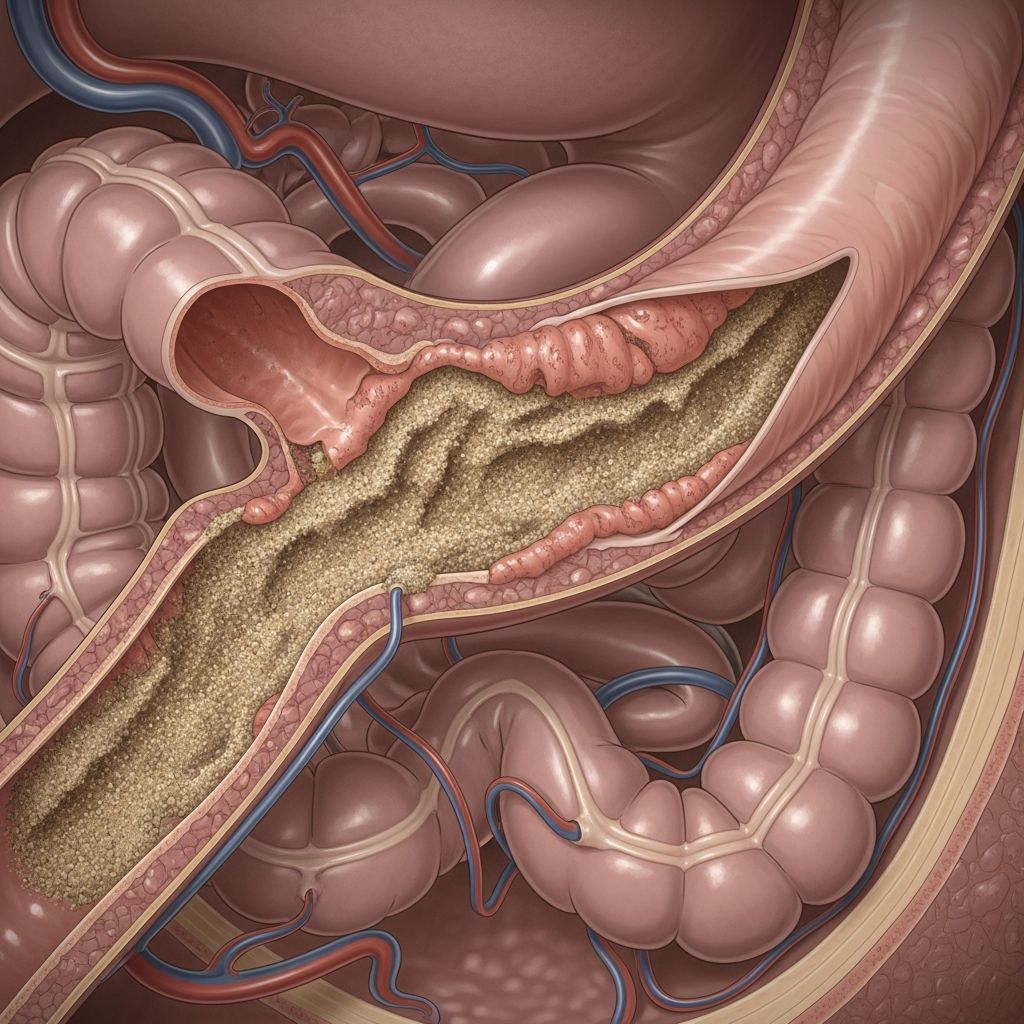
Understanding Sand Enteropathy: An Overview
Sand enteropathy represents a significant health concern for horses, particularly those exposed to sandy pastures or environments. This condition develops when horses inadvertently ingest sand particles while grazing or consuming feed contaminated with soil and mineral debris. The accumulation of sand within the gastrointestinal tract can trigger various clinical complications ranging from mild digestive disturbances to severe, life-threatening colic episodes. Understanding the mechanisms, recognition, and management of this condition is essential for equine owners and veterinary professionals responsible for horse health and welfare.
The intestinal tract’s natural motility and function become compromised when excessive sand accumulates, particularly in the large colon where particles tend to settle due to gravity. Unlike fibrous materials that move through the digestive system relatively easily, sand particles resist normal peristaltic movement and can compact, creating mechanical blockages that impair nutrient absorption and fluid transit.
Mechanisms of Sand Ingestion and Accumulation
Horses typically ingest sand through several common pathways during their daily activities. Grazing on sandy pastures exposes horses to direct sand ingestion as they consume grass close to the soil surface. Horses may also consume sand when foraging in areas where vegetation coverage is sparse or degraded, creating bare patches of exposed soil. Feeding practices contribute significantly to the risk when hay is placed directly on sandy ground without protective barriers or when grain stored in unsanitary conditions contains mineral contaminants.
Environmental factors influence the likelihood of sand accumulation developing into a clinical problem. Horses with limited access to quality forage may increase their grazing intensity and duration, inadvertently consuming greater quantities of sand. Nutritional deficiencies and mineral imbalances can drive horses to consume excessive amounts of dirt and sand in an attempt to fulfill their micronutrient requirements, a behavior known as pica. Water availability and quality affect digestive tract hydration, with dehydrated horses experiencing reduced intestinal motility that allows sand particles to settle and compact more readily.
Clinical Manifestations and Disease Presentation
The clinical presentation of sand enteropathy varies considerably depending on the volume of accumulated sand and the individual horse’s gastrointestinal response. Chronic, low-level sand accumulation may produce subtle signs that develop gradually over weeks or months, while acute sand impaction can precipitate severe colic requiring emergency intervention.
Chronic Sand Accumulation Signs
Horses with chronic sand enteropathy frequently exhibit progressive weight loss despite maintaining adequate appetite and consuming appropriate feed quantities. The accumulated sand irritates intestinal mucosa and physically interferes with nutrient absorption, resulting in poor body condition despite seemingly adequate nutrition. Affected horses often display a dull, rough haircoat that fails to improve with standard grooming and supplementation. Loose or inconsistent manure consistency represents another hallmark sign, with some horses passing soft feces or mild diarrhea as sand irritates the intestinal lining and disrupts normal fluid absorption.
Acute Sand Colic Presentation
When sand accumulation reaches critical levels or when sudden mobilization of sand occurs, horses exhibit acute colic symptoms requiring immediate veterinary attention. These clinical signs include:
- Restlessness and anxious behavior, with horses frequently shifting weight between limbs
- Decreased appetite or complete feed refusal
- Pawing at the ground and repetitive, purposeful movement patterns
- Abdominal pain behaviors including biting or nipping at the flanks and sides
- Recumbency episodes with frequent lying down and standing, sometimes accompanied by rolling
- Elevated heart rate exceeding normal resting rates of 36-40 beats per minute
- Altered respiratory patterns and sweating related to pain and stress
The severity and intensity of colic signs correlate with the degree of intestinal obstruction and inflammation. Some horses display mild, intermittent discomfort while others exhibit violent, persistent pain requiring strong analgesic intervention.
Diagnostic Approaches and Identification Methods
Accurate diagnosis of sand enteropathy requires a combination of clinical assessment, physical examination findings, and diagnostic imaging. Veterinarians utilize multiple diagnostic modalities to confirm sand accumulation and assess its severity.
Physical Examination and Clinical Assessment
The veterinary examination begins with comprehensive evaluation of vital signs including heart rate, respiratory rate, temperature, and mucous membrane color and capillary refill time. Abdominal palpation and thoracic auscultation provide information about intestinal motility and pain response. A carefully obtained history regarding the horse’s environment, feeding practices, grazing areas, and recent behavioral or appetite changes helps establish the likelihood of sand ingestion.
Fecal Sand Testing
Fecal analysis involves collecting fresh manure samples and performing a sediment test to detect the presence of sand particles. However, research indicates that fecal sand testing demonstrates variable reliability in identifying affected horses. Some horses with substantial sand burdens may not consistently shed detectable sand in their feces, while others with minimal intestinal sand may occasionally show positive results. Therefore, fecal testing serves as a screening tool but cannot definitively rule out or confirm sand enteropathy as a definitive diagnostic method.
Abdominal Radiography
Radiographic imaging represents the most reliable diagnostic technique for visualizing sand accumulation within the intestinal tract. Abdominal radiographs clearly demonstrate sand deposits as radiopaque material, typically concentrated in the large colon and cecum. Serial radiographs taken during treatment allow veterinarians to monitor sand clearance progression and adjust therapeutic protocols as needed. The radiographic area of sand accumulation quantifies the disease burden and helps predict treatment duration and prognosis.
Medical Management and Treatment Protocols
Effective treatment of sand enteropathy requires a systematic approach combining multiple therapeutic agents that work synergistically to mobilize sand, enhance intestinal motility, and provide symptomatic relief.
Foundational Treatment Components
The primary medical treatment strategy for acute sand impaction involves stabilizing the horse and reducing gastrointestinal sand burden through combination therapy. Psyllium husk functions as the cornerstone therapeutic agent, working through mechanical action rather than chemical effects. When ingested, psyllium absorbs water in the intestinal lumen and expands significantly, creating bulk that stimulates normal bowel contractions and helps dislodge accumulated sand particles. Typical psyllium dosing reaches approximately 1 gram per kilogram of body weight daily, administered via nasogastric intubation or incorporated into feed in palatable formulations.
Magnesium sulfate, commonly known as Epsom salt, provides osmotic laxative effects that hydrate the impacted intestinal contents and promote fluid movement through the bowel. The osmotic gradient created by magnesium sulfate draws water into the intestinal lumen, softening sand accumulation and facilitating passage. Standard treatment protocols employ approximately 1 gram per kilogram daily, administered through nasogastric tubes to ensure therapeutic dosing.
Paraffin oil (mineral oil) serves multiple functions in sand enteropathy treatment. The oil lubricates intestinal contents and reduces friction between sand particles and intestinal mucosa, facilitating smoother passage. Typical dosing ranges from 6 to 8 milliliters per kilogram of body weight daily. This combination therapy has demonstrated remarkable effectiveness, with research indicating successful sand clearance exceeding 75% of the accumulated burden in approximately 81% of treated equids within a median treatment duration of 4 days.
Symptomatic and Supportive Care
Pain management forms an essential component of sand enteropathy treatment, particularly in acute presentations. Nonsteroidal anti-inflammatory drugs such as phenylbutazone and firocoxib control pain and reduce intestinal inflammation caused by sand irritation. These medications provide analgesia while also addressing the inflammatory component of intestinal damage. In severe cases requiring intense pain relief beyond NSAID efficacy, veterinarians may administer opioid analgesics through intramuscular or intravenous routes to provide adequate comfort while avoiding complications associated with prolonged narcotic use in horses.
Fluid and electrolyte therapy assumes critical importance in cases where dehydration exists or where prolonged colic has compromised hydration status. Intravenous fluid administration restores circulating volume, supports organ perfusion, and replenishes electrolytes lost through gastrointestinal dysfunction. Horses with significant sand accumulation should have feed withheld during the acute treatment phase until intestinal function stabilizes and colic signs resolve, typically 2-3 days after initiating therapy.
Adjunctive Therapy and Probiotics
Emerging evidence supports the use of probiotics and prebiotics as complementary treatments alongside standard sand clearance protocols. These beneficial microorganisms and their nutrient substrates may enhance intestinal motility, reduce inflammatory responses to sand irritation, and support restoration of normal digestive function. The combination of psyllium, magnesium sulfate, and probiotic supplementation appears to accelerate sand clearance and minimize associated gastrointestinal complications, although continued research is needed to fully establish optimal protocols and dosing regimens.
Expected Treatment Timeline and Outcome Considerations
Treatment response varies among individual horses and relates to factors including the volume of accumulated sand, the horse’s age and breed, and underlying gastrointestinal health. Most horses receiving appropriate medical therapy show initial improvement within 48-72 hours of starting treatment, with clinical colic signs subsiding as pain management takes effect and sand begins mobilizing through the bowel. Complete sand clearance typically requires 3-4 weeks of consistent treatment, with radiographic monitoring confirming progressive reduction in sand burden.
Miniature ponies and certain small pony breeds demonstrate poorer treatment responses compared to standard-sized horses and larger breeds. These animals have proportionally smaller intestinal tract volumes relative to their body size, creating mechanical challenges that impede sand passage. Treatment failure rates in miniature breeds reach approximately 56%, substantially higher than the 19% failure rate observed in horses, necessitating more aggressive or prolonged therapeutic interventions.
Horses with impaction unresponsive to medical management after 7-10 days of therapy may require surgical intervention to remove accumulated sand directly. Surgical sand removal carries significant risks including prolonged anesthesia complications, post-operative adhesion formation, and extended recovery periods, making it a last-resort option pursued only when medical therapy proves insufficient.
Prevention Strategies and Long-Term Management
Preventing sand enteropathy requires modification of environmental and management factors that promote sand ingestion and accumulation. Environmental modifications reduce sand exposure through practical changes to feeding and grazing management. Stall mats or rubber matting placed under hay and grain feeding areas prevent direct contact between feed and soil or sand surfaces. Regular sweeping and cleaning of these mats removes accumulated sand particles. Where possible, limiting turnout in excessively sandy pastures or rotating horses away from heavily contaminated areas reduces daily sand consumption.
Elevated feeders and hay racks that keep feed at nose level or above ground level significantly reduce sand ingestion compared to ground-level feeding. Providing clean water and ensuring adequate hydration promotes normal intestinal motility and helps prevent sand compaction and settlement in the colon. Maintaining consistent access to quality forage eliminates the nutritional deficiency-driven pica behavior that increases sand consumption.
Prophylactic psyllium administration represents an evidence-based prevention strategy for horses at elevated risk. Monthly psyllium courses consisting of 7 consecutive days of supplementation at therapeutic doses help clear any accumulated sand before it reaches problematic levels. Horses with history of sand enteropathy or those maintained in unavoidably sandy environments benefit from regular prophylactic psyllium treatment as part of their routine health management.
In rare cases where horses demonstrate extreme sand sensitivity or recurrent episodes despite all standard prevention measures, more restrictive management becomes necessary. Grazing muzzles specifically designed to restrict sand consumption while allowing grass intake provide mechanical prevention for particularly at-risk individuals. Confining affected horses to small, sand-free paddocks or stall environments eliminates environmental sand exposure entirely, though this approach requires careful consideration of the horse’s psychological welfare and exercise requirements.
Monitoring and Follow-Up Care
Horses completing treatment for sand enteropathy require ongoing monitoring to detect recurrence and maintain optimal gastrointestinal health. Follow-up radiographs performed 4-6 weeks after treatment completion confirm complete sand clearance and identify any residual accumulation requiring extended therapy. Regular assessment of body weight, haircoat quality, and manure consistency indicates whether intestinal function has normalized and nutrient absorption has improved. Horses that previously experienced sand-related weight loss typically regain condition over several months of complete recovery.
References
- Medical treatment of sand enteropathy with psyllium, magnesium sulphate and paraffin oil in horses — Australian Veterinary Association, Equine Veterinary Education. 2025. https://pubmed.ncbi.nlm.nih.gov/39988760/
- Sand Colic & Impaction in Horses: Signs, Treatment & Prevention — Mad Barn. https://madbarn.com/sand-colic-in-horses/
- Diagnosis and management of sand enteropathy in the horse — British Equine Veterinary Association. 2020. https://beva.onlinelibrary.wiley.com/doi/10.1111/eve.13562
- Managing Sand Accumulation In Horses With in-sandout – Trial — EAC Animal Care. https://eacanimalcare.com/blogs/news/managing-sand-ingestion-accumulation-in-horses
- Sand Enterotherapy — Cave Creek Equine. https://cavecreekequine.com/education/other/sand-enterotherapy/
Similar Articles








Read full bio of medha deb


