

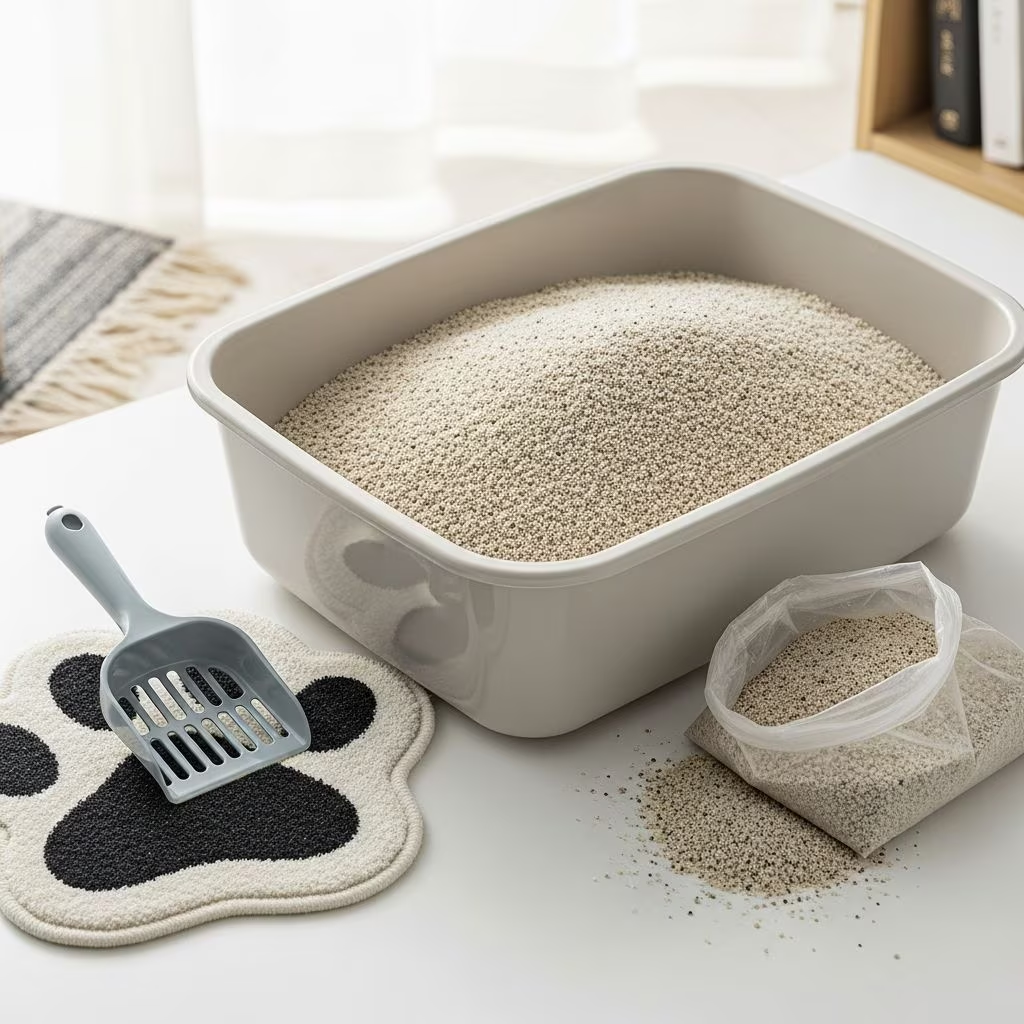
Many cat owners seek affordable, natural alternatives to commercial litters, and sand emerges as a popular choice due to its availability and instinctual appeal to felines. While it offers certain benefits, potential downsides like dust generation and contamination risks require careful evaluation before adoption.
Why Cats Might Prefer Sand in Their Litter Box
Cats evolved to use soft, loose substrates like sand or soil for elimination, mimicking their wild digging and burying behaviors. This natural familiarity often leads to quick acceptance when introduced properly. Fine-grained sand provides a paw-friendly texture that feels gentle, especially for cats with sensitive feet or those recovering from paw injuries.
- Instinctual attraction: Domestic cats recognize sand as a suitable medium for covering waste, reducing accidents outside the box.
- Paw comfort: Smooth particles avoid the sharpness found in some clay or crystal litters, promoting painless digging.
- Clumping tendency: Moistened sand binds together, facilitating targeted scooping of soiled sections.
Advantages of Choosing Sand Over Commercial Litters
Sand stands out for budget-conscious owners and those prioritizing sustainability. Its low cost—often under a dollar per pound—makes it accessible, particularly when bought in bulk from landscaping suppliers. Environmentally, sand is a renewable resource that decomposes naturally, unlike non-biodegradable clay products that contribute to landfill waste.
| Benefit | Description |
|---|---|
| Affordability | Significantly cheaper than branded litters, ideal for multi-cat homes. |
| Eco-friendliness | Biodegradable and disposable in gardens without plastic bag dependency. |
| Low dust in select types | Play sand varieties minimize airborne particles compared to some clays. |
| Moisture management | Absorbs urine effectively in fine forms, keeping boxes drier initially. |
These perks position sand as a temporary or supplemental option, especially in emergencies or for outdoor-savvy cats.
Key Drawbacks and Health Concerns with Sand Litter
Despite attractions, sand falls short in critical areas like odor neutralization and hygiene. It traps smells rather than eliminating them, necessitating daily full changes to prevent bacterial buildup. Tracking is rampant, as lightweight grains adhere to paws and scatter across floors, amplifying cleanup time.
- Dust inhalation risks: Sifted or fine sands can produce respirable particles, irritating lungs and worsening asthma in susceptible cats.
- Contaminant exposure: Non-sterilized sand from beaches, playgrounds, or construction sites harbors bacteria, parasites like Toxoplasma gondii, and sharp debris.
- Ingestion dangers: Grooming leads to accidental swallowing; while minimal amounts may pass, accumulations risk digestive blockages or toxicity if impure.
- Subpar absorbency: Compared to engineered litters, sand leaves residual moisture, fostering ammonia odors and infections.
Veterinarians note that while not immediately toxic, prolonged use without precautions heightens respiratory and gastrointestinal vulnerabilities, particularly for kittens, seniors, or immunocompromised pets.
How to Safely Source and Prepare Sand for Litter Use
To mitigate risks, select sterilized play sand or pet-specific variants from reputable retailers, avoiding wild-harvested or builder’s sand. These undergo heat treatment to kill pathogens, ensuring safer profiles. Store in sealed containers to prevent moisture or pest contamination pre-use.
- Purchase kiln-dried, fine playground sand in 50-pound bags for economy.
- Sift through a mesh screen to remove large grit, reducing paw irritation.
- Preheat in a low oven (200°F for 30 minutes) as an extra sterilization step if contamination is a concern.
- Mix with 10% baking soda for basic odor absorption, but avoid excess to prevent ingestion issues.
Fill boxes to 3-4 inches deep, maintaining this level with frequent toppers rather than infrequent total refreshes.
Transitioning Your Cat to a Sand-Based Litter System
Abrupt switches provoke litter box avoidance or stress. Implement a gradual blend over 7-14 days to allow olfactory and textural acclimation.
| Day Range | Sand Proportion | Monitoring Tips |
|---|---|---|
| 1-3 | 25% | Watch for hesitation; praise usage. |
| 4-7 | 50% | Ensure multiple clean boxes available. |
| 8-10 | 75% | Check stool for undigested grains. |
| 11+ | 100% | Observe respiratory signs like sneezing. |
If rejection occurs, revert partially and consult a vet for underlying issues like urinary problems.
Maintenance Routines for Optimal Sand Litter Performance
Daily vigilance is essential: scoop clumps twice per day, stir remaining sand to distribute moisture, and top off as needed. Full replacement every 3-5 days curbs odor and bacterial growth. Employ litter mats with high sides and vacuum surrounding areas to combat tracking.
- Scoop schedule: Morning and evening to isolate waste promptly.
- Odor hacks: Sprinkle diatomaceous earth sparingly for natural deodorizing.
- Box hygiene: Disinfect weekly with pet-safe vinegar solutions, rinsing thoroughly.
In humid climates, add silica packets temporarily to enhance dryness without full litter swaps.
Superior Alternatives to Sand for Everyday Use
For long-term reliability, consider these vetted options outperforming sand in absorbency and safety:
- Wood pellet litters: Pine-based, biodegradable, superior odor lock, low tracking.
- Corn or wheat litters: Plant-derived clumpers, flushable in small amounts, dust-free.
- Paper or grass litters: Ultra-soft, recyclable, ideal for allergy-prone cats.
- Silica crystals: High absorbency despite paw concerns in some; monitor for dust.
These balance eco-aspects with performance, often garnering vet endorsements for health-focused homes.
Frequently Asked Questions
Is playground sand safe for cat litter boxes?
Sterilized playground sand minimizes risks compared to untreated varieties, but always sift and monitor for dust or reactions.
Can sand cause breathing problems in cats?
Yes, fine dust from sifting can irritate airways, prompting sneezing or coughing; opt for low-dust types and ventilate well.
How often should I change sand litter completely?
Every 3-5 days for singles, more frequently in multi-cat setups to control moisture and smells effectively.
Does adding baking soda to sand help with odors?
It absorbs some ammonia, but use sparingly to avoid ingestion; commercial additives offer stronger results.
Is sand litter biodegradable and garden-safe?
Plain sand is, but mixed with waste, check local regs—compost only urine-soaked portions away from edibles.
Final Thoughts on Sand as a Litter Choice
Sand suits short-term or eco-driven needs but demands rigorous maintenance to offset limitations. Prioritize your cat’s acceptance, health monitoring, and household cleanliness when deciding. Experiment thoughtfully, as individual cats vary in preferences and tolerances.
References
- Could using sifted sand in the litter box be harmful to my cat’s health — Dial A Vet. 2023. https://www.dialavet.com/vet-answers/sifted-sand-litter-box-cat-health-harmful-216326
- Can I use sand as cat litter? We asked a vet to find out! — AOL.com (Vet-reviewed). 2023. https://www.aol.com/sand-cat-litter-asked-vet-120000565.html
- Can Sand Be Used As Cat Litter Replacement? Vet-Approved Facts — Catster. 2023. https://www.catster.com/lifestyle/can-sand-be-used-as-cat-litter-replacement/
- Litter Box 101: What Type of Litter Is Best for Your Cat — Preventive Vet. 2023. https://www.preventivevet.com/cats/what-type-of-litter-is-best-for-your-cat
- Eco Friendly Cat Litter Alternatives — Sharon Lakes Animal Hospital. 2023-08-15. https://www.sharonlakes.com/site/blog-south-charlotte-vet/2023/08/15/cat-litter-alternatives



