

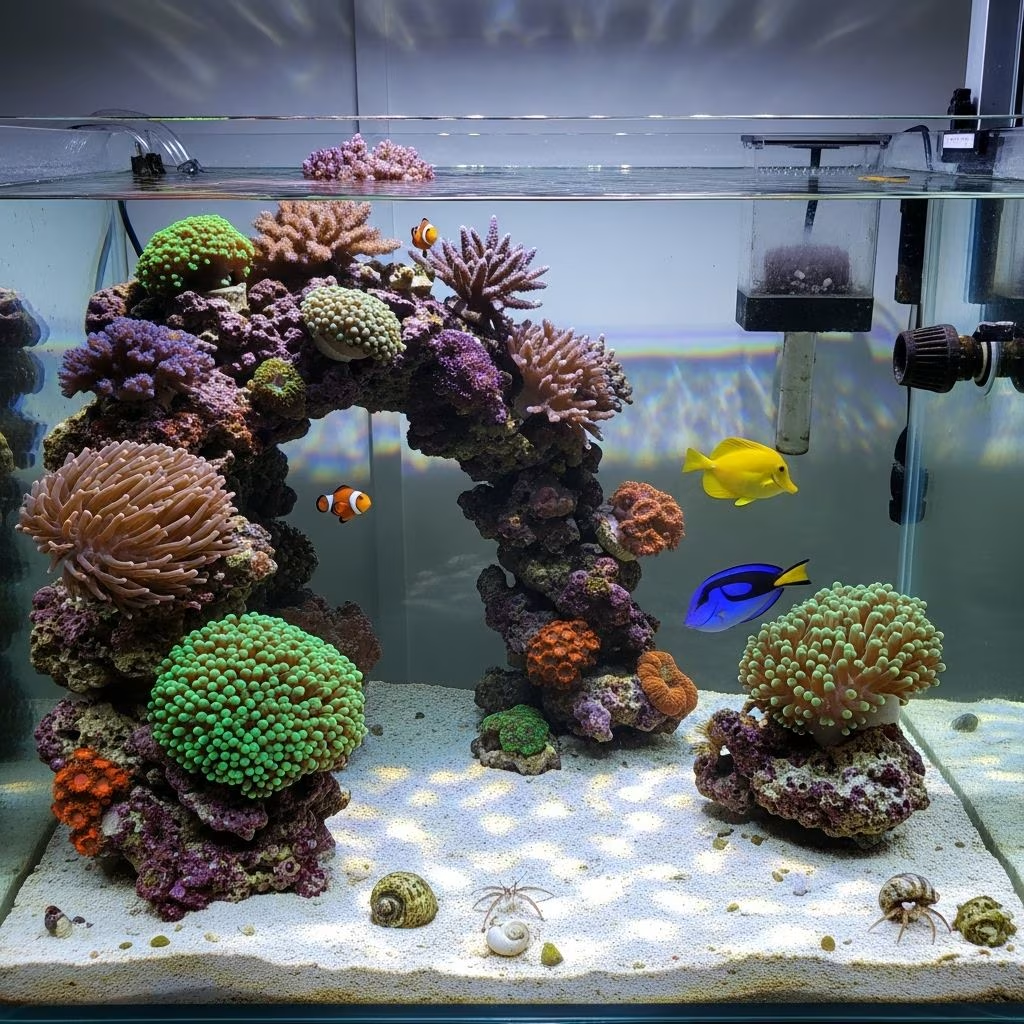
Complete Saltwater Tank Setup Guide for Beginners
Setting up a saltwater aquarium may seem intimidating at first, but with proper planning and understanding of the fundamental steps, even beginners can create a thriving marine ecosystem. Unlike freshwater aquariums, saltwater systems require attention to water chemistry, specific equipment, and patience during the cycling process. This comprehensive guide walks you through every aspect of establishing your first saltwater tank, from initial planning through adding your first fish.
Understanding Saltwater Aquarium Types
Before diving into setup, it’s essential to understand the different types of saltwater aquariums available, as each has unique requirements and characteristics that will influence your entire setup process. The main types include fish-only tanks, FOWLR (Fish Only With Live Rock) systems, and reef tanks. Fish-only tanks are the simplest and most forgiving for beginners, requiring only basic filtration and minimal equipment. FOWLR systems incorporate live rock, which provides natural biological filtration and creates a more natural environment. Reef tanks represent the most complex option, requiring sophisticated lighting, precise water chemistry management, and specialized equipment to support coral growth.
Your choice of tank type will determine your equipment needs, budget, and the level of maintenance required. Beginners typically find fish-only or FOWLR systems more manageable as they learn the fundamentals of saltwater aquarium keeping.
Planning Your Saltwater Aquarium
Successful aquarium setup begins with thorough planning. Before purchasing any equipment or livestock, take time to research and decide on the following factors:
Tank Size and Location: Consider available space in your home and select a location that’s stable, away from direct sunlight, and not subject to temperature fluctuations. Larger tanks are generally easier to maintain because they dilute waste products more effectively and experience more stable water parameters. Position your tank on a sturdy, level stand where it will remain permanently, as moving a full saltwater tank is extremely difficult and potentially destructive.
Desired Fish and Livestock: Research which fish species you want to keep before designing your tank, as their requirements will shape your entire system. Hardy beginner species like damselfish, tangs, and clownfish tolerate minor water condition fluctuations better than delicate species. Consider adult size, temperament, and compatibility with other species.
Budget Considerations: Saltwater aquariums require investment in equipment, live rock, substrate, salt mix, and testing supplies. Establish a realistic budget that accounts for both initial setup costs and ongoing maintenance expenses.
Essential Equipment for Saltwater Tanks
Proper equipment is fundamental to maintaining stable water conditions and supporting marine life. While specific equipment needs vary by tank type, certain components are essential for all saltwater systems.
Filtration Systems
Filtration is the backbone of any saltwater aquarium. The primary options include canister filters, hang-on-back filters, and sump systems. For beginners, hang-on-back filters offer simplicity and ease of installation, while experienced aquarists often prefer sumps for their flexibility and capacity. Sumps allow equipment placement outside the display tank and provide space for biological filtration media.
Protein Skimmers
Protein skimmers remove organic waste before it degrades into harmful compounds, significantly reducing the bioload on your biological filtration. They’re especially valuable in established tanks with fish and coral. While not absolutely required for fish-only systems, protein skimmers substantially improve water quality and reduce maintenance burden.
Heaters and Thermometers
Marine fish require stable temperatures between 76-78°F. Install an appropriately sized heater and place the thermometer on the opposite side of the tank from the heater to obtain accurate temperature readings. Use a reliable aquarium thermometer to monitor conditions regularly.
Lighting
Lighting requirements depend on your tank type. Fish-only systems need basic lighting for visibility, typically 8-10 hours daily. Reef tanks require high-intensity lighting to support photosynthetic corals, often necessitating specialized LED or metal halide systems. Consider a timer to maintain consistent photoperiods.
Air Pumps and Aeration
While not always mandatory, air pumps improve water circulation and gas exchange, particularly beneficial in smaller systems or tanks without strong water movement.
Preparing the Tank and Substrate
Preparation is crucial before adding any water or livestock to your aquarium. Begin by thoroughly cleaning the tank with fresh water only—never use soap or chemicals. Inspect the tank for leaks by adding a few inches of water and observing for 1-2 hours. Any leaks should be sealed with aquarium-safe sealant before proceeding.
Position your tank on its stand and verify the stand is level using a spirit level. Adjust with shims as necessary to prevent stress on the tank structure. Once leveled and positioned, select and prepare your substrate. Substrate options include sand, crushed coral, and specialized marine sand designed for specific tank types. Rinse the substrate thoroughly before adding to remove dust and debris. To prevent scratching the tank bottom, place a thin layer of substrate first, then carefully add the remaining amount, pouring gently over a plate or your hand to minimize disturbance.
Water Preparation and Chemistry
Water quality is paramount in saltwater systems, requiring careful attention to preparation and chemistry. Never use tap water directly in a saltwater aquarium, as municipal water contains chlorine, chloramine, and dissolved minerals incompatible with marine life. Instead, use reverse osmosis (RO) water or reverse osmosis deionized (RODI) water, available at many aquarium stores or through home filtration systems.
Mixing Saltwater
Create saltwater in a separate mixing container using a quality marine salt mix and RODI water. The specific gravity should measure 1.025 for most fish-only and reef systems. Mix the salt thoroughly and allow it to circulate with aeration for several hours before use. Test the mixture with a refractometer or hydrometer to confirm proper salinity before adding to your tank.
Water Parameters to Monitor
Understanding key water chemistry parameters is essential for fish health:
Salinity (Specific Gravity): Maintain at 1.023-1.025 depending on tank type. Monitor regularly using a refractometer for accuracy.
pH: Marine systems typically maintain 8.1-8.3. Establish baseline levels and monitor for stability rather than making constant adjustments.
Temperature: Maintain 76-78°F consistently. Avoid rapid temperature changes that stress fish.
Ammonia, Nitrite, Nitrate: These compounds indicate bioload and tank cycling status. Ammonia and nitrite should read zero; nitrate should remain below 20 ppm in established systems.
Installing Equipment and Creating Water Movement
Proper equipment placement and water circulation create the environment marine life needs to thrive. Install your filter according to manufacturer instructions, ensuring all intake and output tubes are positioned correctly. Position protein skimmers where they can access water but won’t interfere with fish movement or maintenance access.
Water movement is critical in marine systems. Create circulation patterns using powerheads or return pumps that prevent dead spots where waste accumulates. Aim for 10-20 times hourly tank volume turnover, varying flow direction to simulate natural conditions. Place the return pump output strategically—many aquarists direct it parallel to the front glass to create circular flow patterns.
For sump systems, establish plumbing carefully, using flexible PVC hose to avoid sharp bends that restrict flow. Position drain lines to direct water from the tank into the sump, ensuring proper overflow capacity to prevent spilling during power interruptions.
Aquascaping and Decorations
Rock placement creates habitat structure and influences tank aesthetics and functionality. Live rock serves as biological filtration media, housing beneficial bacteria that process waste products. Before arranging rock, lay it on newspaper in your home to visualize the layout and ensure structural stability. Create interesting formations with caves, overhangs, and open areas where fish can hide and explore.
You have two primary layout options: island composition with a central rock structure leaving sides open for viewing from multiple angles, or V-shaped composition that creates additional depth perception. Ensure rock structures are stable and won’t collapse when disturbed, as this could crush fish or injure hands during maintenance.
When adding live rock to your cycling tank, rinse it gently to remove sediment but preserve beneficial bacteria colonies. Mature live rock from established systems contains established bacteria that accelerate the nitrogen cycle, reducing startup time significantly.
The Nitrogen Cycle: Tank Cycling
The nitrogen cycle is the biological process that converts fish waste into less harmful compounds. Establishing this cycle is essential before adding fish. During the cycling phase, ammonia is produced as fish waste. Nitrosomonas bacteria convert ammonia to nitrite, then Nitrobacter bacteria convert nitrite to nitrate. The entire process typically takes 4-6 weeks but can be accelerated by adding beneficial bacteria supplements or mature live rock.
Monitor cycling progress by testing ammonia, nitrite, and nitrate levels twice weekly. Initially, ammonia rises to 2-4 ppm, then gradually decreases as beneficial bacteria establish. Nitrite typically peaks second, reaching 2-5 ppm before declining. When ammonia and nitrite both read zero while nitrate rises, your tank is cycled and ready for fish.
Resist the temptation to add fish before cycling completes, as ammonia and nitrite are toxic even at low levels. Patience during this phase prevents fish deaths and establishes a stable biological filtration system.
Selecting and Adding Fish
Choosing appropriate fish species is critical for success. Research species requirements, temperament, adult size, and compatibility before purchasing. Beginners should select hardy species with tolerance for water parameter fluctuations, such as damselfish, chromis, gobies, or clownfish. These species forgive minor mistakes while you develop husbandry skills.
Follow the one-inch-per-gallon rule as a general guideline, though accounts for adult size rather than current size. Add fish gradually over several weeks rather than all at once, allowing the biological filtration to handle increasing bioload without causing an ammonia spike that restarts the nitrogen cycle.
Acclimating New Fish
Fish acclimation prevents shock from water condition changes and improves survival rates. Follow this procedure:
1. Float the fish in its transport bag in the aquarium for 15-20 minutes to equalize temperatures.
2. Pour out approximately half the water in the bag without discarding the fish.
2. Gradually add aquarium water to the bag at 30-second intervals, about one-half cup every 4-5 minutes, until the bag is full.
4. Use a fish net to transfer the fish into the aquarium, discarding the bag and water to prevent disease introduction.
Never rush this process; gradual acclimation significantly improves fish health and reduces stress-related illness.
Maintenance Schedule and Ongoing Care
Establishing a maintenance routine prevents problems and maintains stable conditions:
Weekly Tasks: Test ammonia, nitrite, nitrate, pH, and salinity. Perform visual inspection of all equipment. Feed fish appropriate portions once or twice daily.
Bi-weekly Tasks: Clean protein skimmer collection cup. Check heater and thermometer functionality. Inspect for signs of disease or stress.
Monthly Tasks: Perform 20-25% water changes, removing debris and replenishing trace elements. Clean filter media according to manufacturer recommendations.
Quarterly Tasks: Deep clean decorations and remove algae overgrowth. Inspect plumbing for leaks or corrosion.
Common Setup Mistakes to Avoid
Understanding common pitfalls helps prevent costly errors:
Rushing the Cycle: Adding fish before the nitrogen cycle completes causes ammonia spikes that kill fish. Patience saves lives and money.
Overcrowding: Too many fish produces excess waste, overwhelming biological filtration and degrading water quality. Start conservatively and add gradually.
Using Tap Water: Municipal water contains harmful chemicals and minerals that damage marine ecosystems. Always use RO or RODI water.
Insufficient Testing: Guessing at water parameters leads to unexpected crashes. Test regularly and keep records to identify trends.
Poor Water Movement: Stagnant areas accumulate waste and harbor harmful bacteria. Ensure robust circulation throughout the tank.
Frequently Asked Questions
Q: How long does it take to cycle a saltwater aquarium?
A: The nitrogen cycle typically requires 4-6 weeks, though this varies based on biological load and whether you use established live rock or bacterial supplements to accelerate the process.
Q: Can I use tap water in my saltwater aquarium?
A: No, tap water contains chlorine, chloramine, and minerals incompatible with marine life. Use only reverse osmosis (RO) or reverse osmosis deionized (RODI) water.
Q: What is the ideal water temperature for saltwater fish?
A: Marine fish thrive in temperatures between 76-78°F. Maintain stability using an appropriately sized heater and reliable thermometer.
Q: How often should I perform water changes?
A: Perform 20-25% water changes monthly for fish-only systems, more frequently for reef tanks. Regular changes remove accumulated waste and replenish trace elements.
Q: What are the best beginner-friendly saltwater fish species?
A: Hardy species like damselfish, chromis, gobies, clownfish, and tangs tolerate water parameter fluctuations and forgive beginner mistakes better than delicate species.
Q: Do I need a protein skimmer for a fish-only tank?
A: While not absolutely required, protein skimmers significantly improve water quality by removing organic waste before it degrades, reducing maintenance and improving fish health.
Q: How do I acclimate new fish to my aquarium?
A: Float the fish in its transport bag for 15-20 minutes, then gradually add aquarium water to the bag over 30-40 minutes before transferring the fish with a net. Never pour bag water into the aquarium.
References
- How to Set Up a Saltwater Aquarium: Step by Step Beginner’s Guide — YouTube. 2024. https://www.youtube.com/watch?v=7yROM5IfXK4
- How to Set Up A Saltwater Aquarium (8 Easy Steps) — Ocean Floor Store. 2024. https://www.oceanfloorstore.com/saltwater-aquarium-setup/
- The Supreme Guide To Setting Up A Saltwater Reef Aquarium — Reef2Reef. 2024. https://www.reef2reef.com/threads/the-supreme-guide-to-setting-up-a-saltwater-reef-aquarium.138750/
- Step-by-step Guide to Creating a Reef Aquarium — LiveAquaria. 2024. https://www.liveaquaria.com/article/39/?aid=39
- Saltwater Aquarium Tips For Beginners: Don’t Fail Year One — MyFirstFishTank. 2024. https://myfirstfishtank.com/top-tips-for-saltwater-aquariums/



