

Understanding Saltwater Fish: A Complete Guide
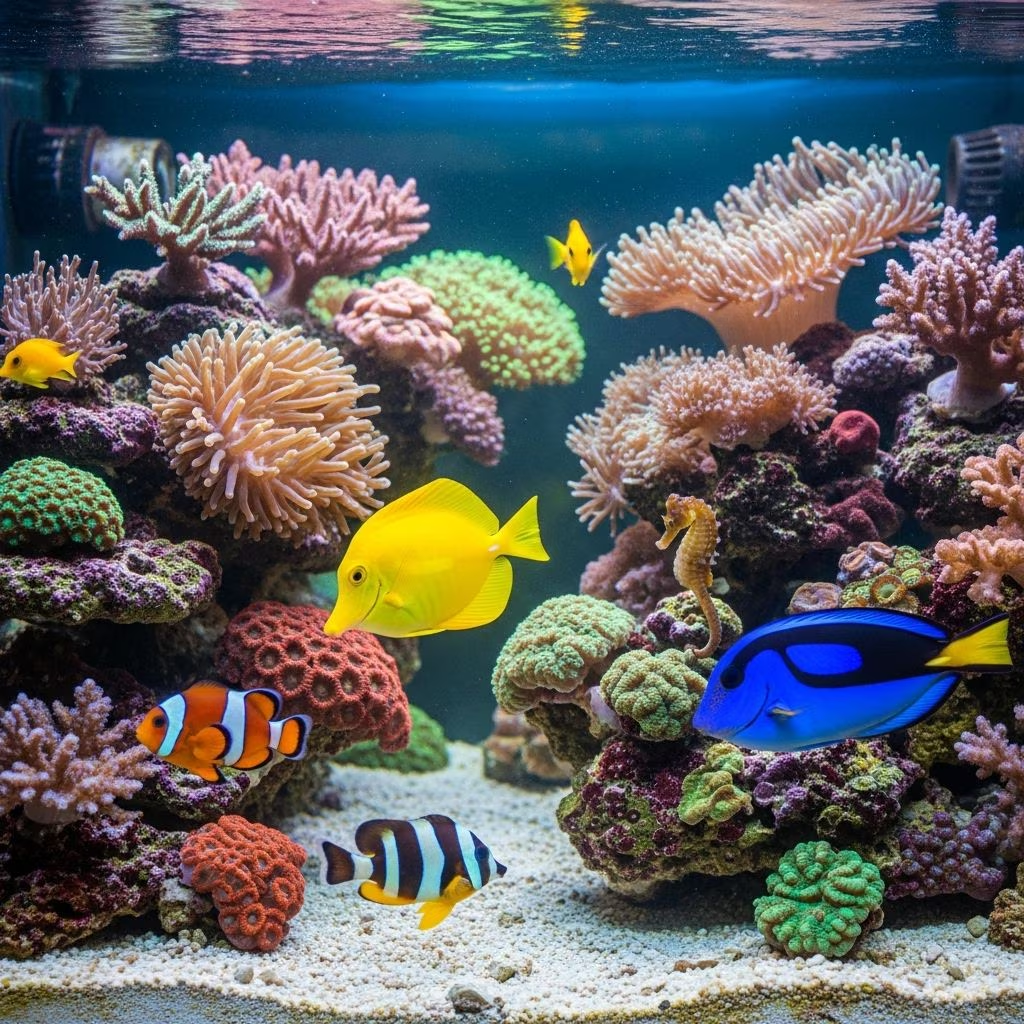
Saltwater aquariums offer a fascinating glimpse into the beauty and diversity of marine life. Whether you’re a first-time aquarium owner or an experienced hobbyist looking to expand your knowledge, understanding saltwater fish species and their care requirements is essential for maintaining a thriving underwater ecosystem. This comprehensive guide covers everything you need to know about selecting, caring for, and maintaining saltwater fish in your aquarium.
Best Saltwater Fish for Beginners
Starting a saltwater aquarium can seem daunting, but choosing hardy and easy-to-care-for species makes the experience manageable and rewarding. The following fish are excellent choices for beginners who want reliable, resilient marine companions.
Ocellaris Clownfish
The ocellaris clownfish is one of the most popular and beginner-friendly saltwater fish. These small dynamos, typically growing 2-3 inches in length, are renowned for their striking black, white, and orange coloring. Clownfish are peaceful, reef-safe, and thrive in spacious environments. Their popularity has been bolstered by their appearances in animated films, making them a recognizable and beloved choice for new marine aquarium enthusiasts.
Blue-Green Chromis
Also known as damselfish, the blue-green chromis displays a mesmerizing iridescent light blue-green coloring that adds visual appeal to any tank. These small fish, approximately 3 inches in length, are peaceful and active, making them perfect for beginners. They prefer to live in small groups of three to five fish and require a 30-gallon tank or larger. While reef-safe, they may occasionally nibble on growing invertebrates, so monitoring is recommended during the initial tank maturation period.
Royal Gramma
Royal grammas are hardy and peaceful fish that make an obvious choice for beginners. These brightly colored fish, typically about 3 inches long, are reef-safe and won’t disturb invertebrates or fragile ecosystems. They tend to hide in crevices and cave-like structures but remain easy to spot due to their vibrant appearance. Royal grammas are territorial with other grammas and should be kept individually in a 30-gallon tank or larger.
Firefish (Fire Goby)
Firefish are ideal for beginners seeking small, colorful additions to their tanks. Growing up to 3 inches in length, these reef-safe and peaceful fish feature an elongated dorsal fin that gives them an otherworldly appearance. While they may be shy in new surroundings, firefish acclimate well to 10-gallon tanks over time, making them excellent space-efficient choices.
Sixline Wrasse
The sixline wrasse is hard to beat for those who love color and unique patterns. With vivid blueish-purple coloring that creates six distinctive lines, these fish brighten any aquarium. While peaceful overall, they can become mildly aggressive toward newly added fish, so they should be among the last fish introduced to the tank. These carnivorous fish enjoy meat-based pellets, freeze-dried foods, and flakes. A 10-gallon aquarium is sufficient for these small 3-inch fish.
Pajama Cardinalfish
Pajama cardinalfish are colorful, reef-safe, and peaceful additions to saltwater aquariums. These small nocturnal carnivores, approximately 3.5 inches in length, travel in groups in the wild but can live comfortably alone in a 10-gallon tank. They enjoy brine shrimp, mysis, and small plankton foods that they hunt at night. To train them to accept dry foods, feed small amounts just before lights out.
Yellow or Bluespotted Watchman Goby
Yellow watchman gobies are reef-safe fish known for their tendency to burrow, especially with their favorite tank mate, the pistol shrimp. These brightly colored fish grow up to 4 inches and prefer to live with a mate. A 30-gallon tank filled with sand or fine gravel provides the ideal environment. A secure lid is essential, as these fish are known for jumping when not burrowing. They are carnivorous and enjoy various meat-based foods.
Bicolor Blenny
Bicolor blennies, also known as two-colored blennies, add personality to any aquarium. These uniquely colored fish feature one half in blueish-brown and the other half in dull orange. They tend to stay near the bottom of the tank among corals and rocks. While reef-safe, they occasionally nibble on clams and large stony corals if underfed. These larger herbivores, approximately 4 inches, require at least a 30-gallon tank to remain healthy and stress-free.
Reef-Safe Saltwater Fish Species
Reef-safe fish are species unlikely to harm coral or other invertebrates in your tank. These fish are essential for maintaining a balanced and healthy reef ecosystem.
Popular reef-safe options include:
- Clownfish (various species)
- Tangs (specifically yellow eye kole tang for algae control)
- Blennies (lawnmower and bicolor varieties)
- Yellow coris wrasse
- Royal gramma
- Firefish
When adding reef-safe fish to your tank, consider their size and dietary needs carefully. Avoid introducing species known to eat coral or other invertebrates.
Maintenance Fish for Algae Control
Certain fish provide functional benefits beyond their aesthetic appeal. These maintenance fish help control algae and pests that can harm corals.
Tangs for Algae Control
Tangs make a significant difference in keeping algae under control. The yellow eye kole tang is considered one of the best choices for algae management. These fish are more effective at algae control than yellow tangs and significantly less likely to become aggressive. For smaller tanks where a kole tang wouldn’t thrive, lawnmower blennies are excellent alternatives.
Wrasse Species
Yellow coris wrasses help eliminate pests that can damage corals while providing bright lemon-yellow coloring without the aggression associated with yellow tangs. Sixline wrasses also consume pests, though they can be fairly aggressive at times. Melanarus wrasses offer similar benefits but grow larger than yellow coris varieties.
Specialized Maintenance Fish
Matted filefish eat aiptasia, though they occasionally target corals after consuming all aiptasia. Diamond gobies excel at keeping the sandbed clean and well-maintained. When considering maintenance fish, research minimum tank sizes and compatibility requirements before adding them to your aquarium.
Feeding Saltwater Fish: Guidelines and Best Practices
Proper nutrition is fundamental to maintaining healthy saltwater fish. Different species have varying dietary requirements based on whether they are carnivorous, omnivorous, or herbivorous.
Common Saltwater Fish Foods
- Pellets or flakes designed for specific fish types
- Frozen or live brine shrimp
- Mysis shrimp
- Krill
- Algae sheets
- Freeze-dried foods
- Meat-based pellets
Feeding Guidelines by Fish Type
Carnivorous fish require meat-based foods including brine shrimp, mysis shrimp, and freeze-dried options. Omnivorous fish need a balanced diet combining both plant and animal matter. Herbivorous species benefit from algae sheets and plant-based foods. Feed fish in moderation to avoid overfeeding, which leads to health problems and water quality issues.
Saltwater Aquarium Maintenance Essentials
Maintaining a healthy saltwater aquarium requires consistent care and attention. Regular maintenance prevents water quality deterioration and keeps fish healthy.
Daily Maintenance Tasks
Daily routines include feeding fish twice daily (morning and evening) and topping off fresh water lost to evaporation, typically about half a gallon per day depending on humidity levels. This process can be automated with evaporation systems, eliminating the need for manual water addition.
Biweekly to Monthly Maintenance
The most important routine maintenance task is performing partial water changes every two weeks or at minimum once monthly. In heavily populated tanks or those containing large specimens with heavy bioload, weekly water changes are even better. Frequent smaller water changes of approximately 10 percent of aquarium water are preferable to infrequent larger changes, which create greater fluctuations in water chemistry and are more disruptive to tank inhabitants.
Water Quality Testing
Regular water parameter testing should occur at least twice weekly. Essential parameters to monitor include temperature, salinity, pH, and ammonia levels. Maintaining optimal water conditions ensures the health and well-being of your fish and supports a thriving marine environment.
Filtration and Lighting
Proper filtration systems remove waste and maintain water clarity. Appropriate lighting supports natural behaviors and photosynthesis in reef environments. Ensure your filtration system can handle your aquarium’s bioload and that lighting matches your fish species’ requirements.
Aquarium Setup Considerations
Successful saltwater aquariums begin with proper setup. Consider tank size based on fish species requirements, substrate type, and decoration options that provide hiding spaces and natural environments.
Tank Size Requirements
| Fish Species | Minimum Tank Size | Adult Size |
|---|---|---|
| Ocellaris Clownfish | 10 gallons | 2-3 inches |
| Firefish | 10 gallons | Up to 3 inches |
| Sixline Wrasse | 10 gallons | About 3 inches |
| Pajama Cardinalfish | 10 gallons | 3.5 inches |
| Royal Gramma | 30 gallons | About 3 inches |
| Blue-Green Chromis | 30 gallons | About 3 inches |
| Watchman Goby | 30 gallons | Up to 4 inches |
| Bicolor Blenny | 30 gallons | About 4 inches |
Substrate and Decorations
Choose sand or fine gravel substrate, particularly for fish that burrow like watchman gobies. Include rocks, corals, and cave-like structures that provide hiding spaces where fish feel secure. These decorations reduce stress and encourage natural behaviors.
Fish Compatibility and Selection
When selecting fish for your aquarium, consider temperament, size, and compatibility with other species. Start with peaceful fish that are easy to care for, such as clownfish, blue-green chromis, and starry blennies. Avoid aggressive species until you gain experience, and research compatibility requirements before adding new fish to your established tank.
Frequently Asked Questions
Q: What is the easiest saltwater fish for beginners?
A: Ocellaris clownfish are among the easiest saltwater fish for beginners. They are small (2-3 inches), peaceful, reef-safe, and adapt well to various tank conditions with minimal care requirements.
Q: How often should I change the water in my saltwater aquarium?
A: Perform partial water changes every two weeks or at minimum once monthly. Frequent smaller changes of approximately 10 percent are preferable to infrequent larger changes. Heavily populated tanks may benefit from weekly water changes.
Q: Can I keep multiple of the same fish species together?
A: It depends on the species. Some fish like blue-green chromis thrive in groups, while others like royal grammas are territorial and must live alone. Research your specific species’ social requirements before introducing multiple individuals.
Q: What fish are best for controlling algae?
A: Yellow eye kole tangs are excellent for algae control. Lawnmower blennies work well in smaller tanks, and yellow coris wrasses help eliminate pests that damage corals while providing visual appeal.
Q: How do I know what to feed my saltwater fish?
A: Research your specific fish species to determine if they are carnivorous, omnivorous, or herbivorous. Provide appropriate foods such as pellets, freeze-dried options, brine shrimp, mysis shrimp, or algae sheets based on their dietary needs.
Q: What water parameters should I monitor in my saltwater aquarium?
A: Monitor temperature, salinity, pH, ammonia levels, and nitrite levels at least twice weekly. Maintaining optimal water conditions is essential for fish health and aquarium stability.
Q: Are all saltwater fish reef-safe?
A: No, not all saltwater fish are reef-safe. Some species eat coral or damage invertebrates. Always research specific fish species before adding them to reef tanks to ensure compatibility with your ecosystem.
References
- Top 10 Easy-to-Care-For Saltwater Fish for Beginners — Coralife Products. 2025. https://www.coralifeproducts.com/blog/top-10-easy-to-care-for-saltwater-fish-for-beginners
- Saltwater Fish For Beginners: A Guide To Starting Your Own Aquarium — Sunny Side Corals. 2025. https://sunnysidecorals.com/blog/saltwater-fish-beginners/
- Saltwater Fish Guide — Advanced Aquarium Concepts. 2025. https://advancedaquariumconcepts.com/saltwater-fish-guide/
- The Salt Creep: A Marine Aquarium Maintenance Checklist — TFH Magazine. 2025. https://www.tfhmagazine.com/articles/aquarium-basics/a-marine-aquarium-maintenance-checklist-the-salt-creep



