

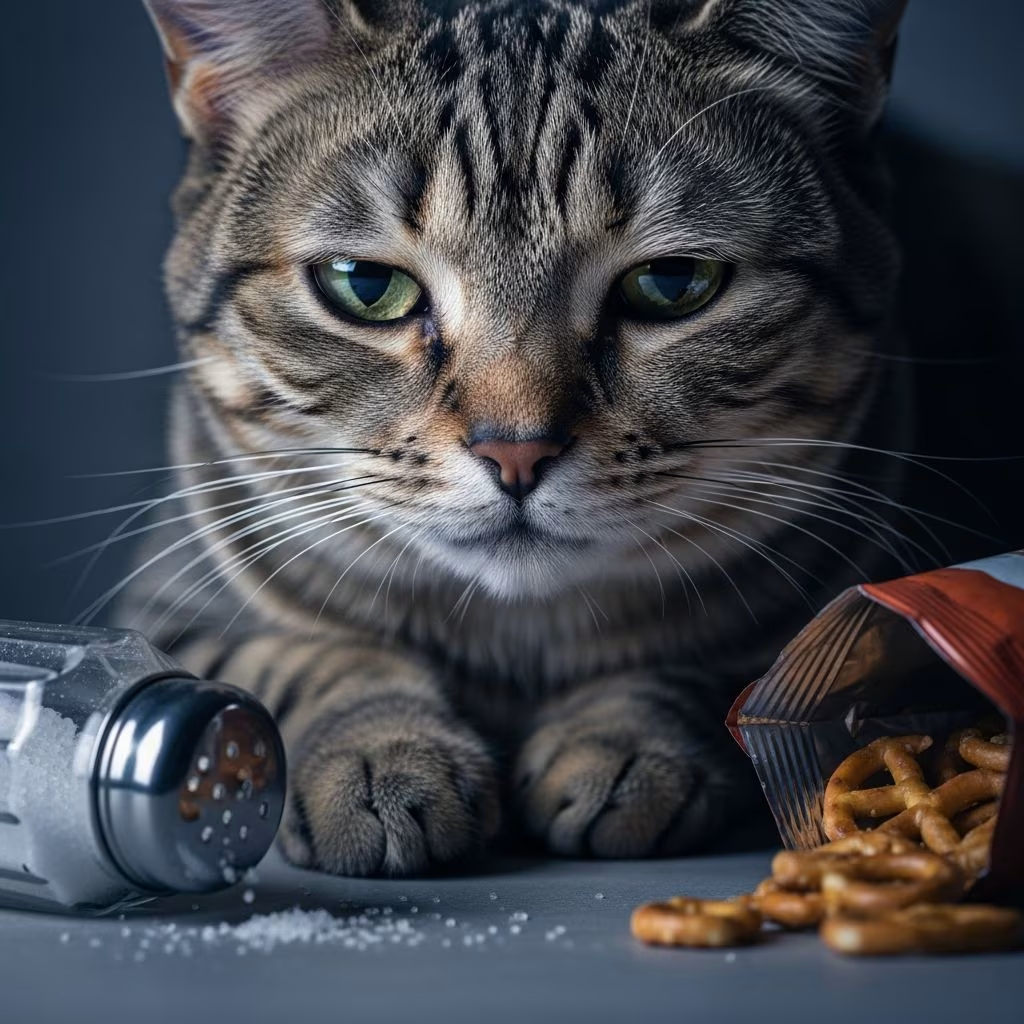
Cats require small amounts of sodium for essential bodily functions, but excessive intake leads to salt toxicity, or hypernatremia, which can cause severe health issues including dehydration, neurological damage, and death. This condition arises when sodium levels in the blood rise dangerously high, disrupting fluid balance and triggering life-threatening symptoms.
The Role of Sodium in Feline Physiology
Sodium, a key component of salt, helps cats maintain fluid balance, nerve function, and muscle activity. Balanced commercial cat foods provide adequate sodium without excess, meeting standards set by organizations like AAFCO. However, deviations from this balance—either too much or too little—can harm organs like the kidneys and heart.
When cats ingest excess salt, it draws water out of cells, concentrating sodium in the bloodstream. This osmotic shift particularly affects the brain, leading to shrinkage of brain cells and potential hemorrhage as the brain pulls away from the skull. Veterinary sources confirm that acute exposure overwhelms the kidneys’ ability to excrete surplus sodium, especially if water intake is limited.
How Much Salt Becomes Dangerous for Cats?
The threshold for toxicity is remarkably low: more than 41 milligrams of salt per day can poison a cat, a fraction compared to human daily intake of around 5,000 milligrams. Kittens and small cats face even greater risk, showing symptoms from lesser amounts due to their size.
| Food Item | Sodium Content (mg) | Equivalent Salt (mg) | Toxic for Average Cat? |
|---|---|---|---|
| Tuna chunks in water (1 oz serving) | 64 | 163 | Yes, exceeds limit |
| Potato chips (small handful) | 50 | 127 | Yes, highly risky |
| Anchovies in oil (1 oz) | 172 | 438 | Extremely toxic |
This table illustrates how common human snacks surpass safe levels instantly for cats, based on veterinary toxicity data. Acute lethal doses approach 4 g/kg body weight, but clinical signs emerge much earlier.
Common Sources of Salt Exposure in Households
- Human Foods: Salty snacks, canned fish, deli meats, and cheese often tempt cats, delivering dangerous sodium loads in tiny portions.
- Salt Lamps and Blocks: Himalayan salt lamps or lick blocks attract curious cats, leading to ingestion via licking, as seen in documented cases of hypernatremia.
- Play-Doh and Crafts: Homemade versions contain high salt concentrations, posing risks if cats chew on them.
- De-icing Salts: Outdoor rock salt used on icy paths can contaminate paws or be ingested during grooming.
- Medications and Supplements: Overuse of saline solutions or iatrogenic administration during vet care can contribute if water access is inadequate.
Prevention starts with vigilance: store salty items securely and offer only vet-approved foods. Indoor cats face risks from household items, while outdoor ones encounter environmental hazards.
Recognizing Early Warning Signs of Salt Poisoning
Symptoms appear within hours of exposure, progressing from mild gastrointestinal upset to severe neurological crises. Early detection improves outcomes significantly.
- Vomiting and diarrhea, often the first indicators, signal initial fluid loss.
- Lethargy, reduced appetite, and weakness reflect dehydration and electrolyte imbalance.
- Excessive thirst and urination as the body attempts to dilute sodium.
- Tremors, twitching, disorientation, ataxia (wobbly gait), and seizures indicate brain involvement.
- In extreme cases, coma or death from cerebral edema or hemorrhage.
Thirst is an initial red flag, followed by rapid escalation. Blood sodium levels above 160-170 mmol/L confirm hypernatremia, with brain concentrations exceeding 2,000 ppm diagnostic in severe cases.
Pathophysiology: Why Salt Overloads Cat Systems
Hypernatremia causes water to shift from intracellular spaces to the bloodstream, dehydrating brain cells. This leads to neuronal shrinkage, vascular tears, and hemorrhage. Unlike dogs, cats’ hypodipsia (reduced thirst) in illness exacerbates the issue, preventing self-correction.
Chronic low-level excess strains kidneys, potentially causing failure over time. Acute toxicity mimics water deprivation, with GI signs preceding CNS disturbances. Veterinary literature emphasizes that rapid sodium spikes are deadlier than gradual ones, as the brain adapts slowly.
Immediate Steps and Veterinary Interventions
If salt exposure is suspected, withhold food but provide fresh water. Do not induce vomiting, as salt was once used for this but now risks worsening toxicity. Contact a vet or pet poison hotline immediately.
Treatment focuses on gradual correction over 2-3 days to avoid cerebral edema from sudden shifts:
- Assessment: Blood tests for sodium, electrolytes, osmolarity, and neurologic exam.
- Fluid Therapy: IV hypotonic fluids (e.g., 0.45% saline) to replace free water deficit, calculated via formulas like: Deficit (L) = 0.6 × body weight (kg) × [(current Na/140) – 1].
- Monitoring: Frequent sodium checks (every 4-6 hours) to reduce levels by no more than 0.5 mmol/L/hour.
- Supportive Care: Anti-seizure meds, gastroprotectants, and addressing dehydration.
Prognosis is good if treated early; delays increase mortality from brain swelling.
Preventing Salt Toxicity: Practical Strategies for Cat Owners
Maintain a salt-free environment:
- Feed AAFCO-approved kibble or wet food; avoid table salt additions.
- Secure trash, counters, and pantries against feline raids.
- Use pet-safe de-icers outdoors and wipe paws after walks.
- Remove salt lamps or place them high/inaccessibly.
- Monitor multi-cat homes, as competition for water can worsen risks.
For sick cats, ensure ample fresh water and consult vets on fluid needs. Regular check-ups catch kidney vulnerabilities early.
Special Considerations for Kittens, Seniors, and Health-Compromised Cats
Kittens tolerate less salt due to immature kidneys—symptoms from mere licks. Seniors with reduced thirst or CKD are prone to chronic imbalance. Cats with diabetes, GI disease, or pain often drink inadequately, amplifying risks from even normal diets.
Always weigh risks when sharing foods; a single anchovy or chip bite can tip vulnerable cats into toxicity.
Frequently Asked Questions (FAQs)
Is a little salt okay in my cat’s food?
Commercial foods contain safe, balanced levels. Adding extra salt is unnecessary and risky.
What if my cat ate salty popcorn?
Even small amounts can exceed limits; watch for symptoms and call a vet promptly.
Can salt lamps kill cats?
Licking them has caused documented toxicity cases; better to avoid them entirely.
How do I calculate safe salt intake?
Stick under 41mg/day total; rely on vet-formulated diets rather than measuring.
Is ocean water dangerous for cats?
Yes, high salinity can induce hypernatremia, similar to pool water incidents.
Long-Term Health Impacts of Sodium Imbalance
Beyond acute poisoning, repeated low-level excess contributes to hypertension, cardiac strain, and renal disease. Balanced nutrition prevents these, underscoring diet’s role in longevity. Owners should read labels, avoiding high-sodium treats or human scraps.
References
- Hypernatremia — PubMed/NCBI. 2009-06-01. https://pubmed.ncbi.nlm.nih.gov/19517406/
- Evaluation and Management of the Hypernatremic Patient — Today’s Veterinary Practice. 2023. https://todaysveterinarypractice.com/internal-medicine/veterinary-hypernatremia-evaluation-and-management/
- Salt Toxicosis in Animals — Merck Veterinary Manual. 2023. https://www.merckvetmanual.com/toxicology/salt-toxicosis/salt-toxicosis-in-animals
- Salt Toxicity in Cats — Awanui Veterinary (PDF). 2021-10. https://www.awanuivets.co.nz/wp-content/uploads/2021/10/In-the-lab_-Salt-toxicity-in-cats-they-can-get-i.pdf
- Is Salt Bad for Cats — Pet Poison Helpline. 2023. https://www.petpoisonhelpline.com/pet-tips/is-salt-bad-for-cats/



