

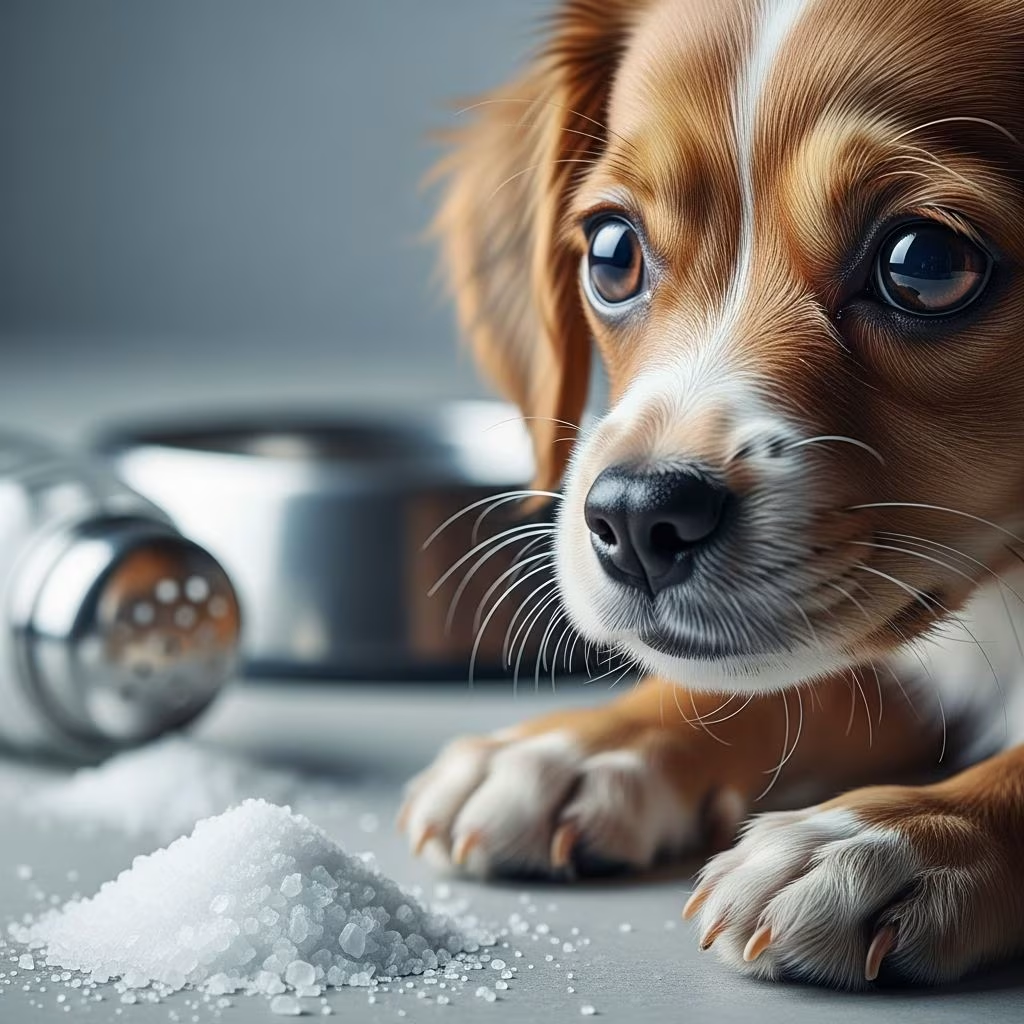
Salt, a staple in human diets, can turn deadly for pets when consumed in excess. This condition, known as salt poisoning or sodium toxicosis, disrupts the body’s fluid balance, leading to hypernatremia—a dangerous elevation of sodium levels in the blood. Pets like dogs, cats, birds, and livestock are particularly vulnerable, especially if water access is limited. Early recognition and intervention are crucial to prevent neurological damage, organ failure, or death.
Why Salt Becomes Toxic to Animals
Normally, sodium helps regulate fluid balance, nerve function, and muscle contraction in pets. However, excessive intake overwhelms the kidneys’ ability to excrete it, causing cells—especially brain cells—to shrink as water shifts out to dilute the high concentration. This leads to cerebral edema when fluids are corrected too rapidly. Common triggers include ingesting seawater, rock salt from roads, playdough, or even overzealous use of salt as an emetic.
- Dehydration factor: Limited water intake exacerbates toxicity, as animals can’t flush out excess sodium.
- Species differences: Dogs show rapid GI upset; cattle exhibit aggression and paralysis; birds develop respiratory distress.
Common Sources of Salt Exposure in Pets
Pet owners may overlook everyday items loaded with sodium. Beach outings expose dogs to ocean water, while winter gritting introduces rock salt hazards. Household products like baking soda or paintballs also pose risks.
| Source | Animals at Risk | Sodium Content Example |
|---|---|---|
| Seawater | Dogs at beaches | High (35g/L) |
| Rock salt (de-icing) | Dogs, cats outdoors | ~40% NaCl |
| Playdough (homemade) | Dogs chewing toys | High from salt ingredient |
| Table salt spills | All indoor pets | 39g/100g |
Prevention starts with vigilance: rinse paws after snowy walks and supervise beach play.
Early Warning Signs: Gastrointestinal Distress
The first indicators often mimic milder stomach issues, tricking owners into delay. Watch for these within hours of exposure:
- Profuse vomiting, sometimes with regurgitation.
- Watery diarrhea leading to rapid dehydration.
- Intense thirst (polydipsia) and frequent urination (polyuria).
- Loss of appetite and drooling.
These symptoms stem from sodium irritating the gut lining and drawing fluid into the intestines.
Progressive Neurological Symptoms
As hypernatremia worsens, brain involvement escalates. Sodium pulls water from brain tissue, causing shrinkage and dysfunction:
- Lethargy, weakness, and disorientation—your pet may seem ‘drunk’ or confused.
- Ataxia (wobbly gait), tremors, or muscle stiffness.
- Advanced stages: seizures, blindness, circling, coma.
In dogs, progression can occur within 3-24 hours; cattle may show belligerence or hindlimb dragging.
Red Flag Alert: If neurological signs appear, rush to an emergency vet—mortality exceeds 50% without prompt care.
Diagnosis: Confirming Salt Toxicity
Vets rely on history (recent exposure?) plus diagnostics:
- Bloodwork: Measures serum sodium (>160 mEq/L indicates toxicity), electrolytes, osmolarity.
- Urinalysis: Checks concentration and kidney function.
- Neurological exam: Assesses ataxia, reflexes, mentation.
Calculate free water deficit using: Deficit (L) = 0.4 × body weight (kg) × [(serum Na/140) – 1]. This guides fluid correction over 48-72 hours.
Emergency Treatment Protocols
No antidote exists; therapy focuses on gradual dilution and support:
- IV Fluids: Start with isotonic or slightly hypertonic solutions (e.g., 170 mEq/L Na) to match serum levels, avoiding rapid drops that cause brain swelling.
- Seizure Control: Diazepam or phenobarbital for convulsions.
- Anti-edema Meds: Mannitol, dexamethasone if cerebral edema suspected.
- Hospitalization: Continuous monitoring of sodium, with water restricted initially (0.5% body weight hourly).
For mild cases pre-symptoms: Offer fresh water ad libitum and observe.
Outpatient care suits stable pets; severe ones need 24/7 ICU.
Species-Specific Risks and Responses
| Species | Key Signs | Treatment Notes |
|---|---|---|
| Dogs | Vomiting → tremors → seizures | IV fluids primary; emetics if early |
| Cats | Lethargy, ataxia, hypersalivation | Similar to dogs, cautious fluids |
| Cattle | GI pain, aggression, paralysis | Herd water management |
| Birds/Poultry | Thirst, dyspnea, leg weakness | Supportive, slow rehydration |
Long-Term Complications and Recovery
Survivors may face kidney strain or permanent neuro deficits. Full recovery takes days to weeks with strict electrolyte monitoring. Prevent recidivism by securing salts and educating on beach safety.
Prevention Strategies for Pet Owners
Proactive steps minimize risks:
- Provide constant fresh water, especially post-exposure.
- Use pet-safe de-icers; wipe paws after walks.
- Avoid salt-based emetics—use vet-recommended alternatives.
- Beach rules: Discourage drinking seawater; rinse thoroughly.
- Store household salts securely.
Frequently Asked Questions (FAQs)
What should I do if my dog drinks seawater?
Rinse mouth/paws immediately, offer small water amounts frequently, monitor for vomiting/thirst. Seek vet if symptoms emerge within hours.
How much salt is toxic to a 10kg dog?
Approximately 2-3g/kg body weight (20-30g total) can cause issues; less if dehydrated.
Can cats get salt poisoning from licking de-icing salt?
Yes—symptoms mirror dogs; paw licking is common vector.
Is saltwater pool water safe for pets?
Lower salinity than ocean, but still risky if ingested excessively.
How long do symptoms take to appear?
GI signs in 1-3 hours; neuro in 12-24 hours.
Key Takeaways for Pet Safety
Salt poisoning progresses swiftly from thirst to tragedy. Arm yourself with knowledge: recognize signs early, act decisively. Consult vets or poison hotlines like Pet Poison Helpline for guidance.
References
- Hypernatremia — PubMed/NCBI. 2009-06-01. https://pubmed.ncbi.nlm.nih.gov/19517406/
- Salt Is Toxic To Pets — Pet Poison Helpline. Recent access 2026. https://www.petpoisonhelpline.com/poison/salt/
- Understanding Salt Toxicity in Dogs — Animal Emergency Service. Recent. https://animalemergencyservice.com.au/blog/understanding-salt-toxicity-in-dogs/
- Salt Toxicosis in Animals — Merck Veterinary Manual. Recent update. https://www.merckvetmanual.com/toxicology/salt-toxicosis/salt-toxicosis-in-animals
- Saltwater Poisoning in Dogs — Gower Vets. Recent. https://www.gowervets.co.uk/saltwater-poisoning-in-dogs-swansea
- Salt Water Poisoning in Dogs — GSVS. Recent. https://gsvs.org/blog/salt-water-poisoning-dogs-emergency/
- Salt — American College of Veterinary Pharmacists. Recent. https://vetmeds.org/pet-poison-control-list/salt/



